The Health Benefits of Fermented Foods And Why I Think Everyone Should Be Eating More of Them
I’ll be honest I came to fermentation through the back door.
I wasn’t looking for a new hobby. I was looking for practical ways to support my gut health, and the more I read, the more fermented foods kept coming up. So I started making them. And the more I made them, the more interested I became in why they seem to work so well.
These days, fermented foods are a regular part of how I eat. And I genuinely think they’re one of the most underrated things most people aren’t doing for their health.
I’m not a doctor, and nothing here is medical advice just what I’ve learned and what I’ve found works for me. As always, if you have specific health concerns, it’s worth talking to a qualified professional.
What Makes Fermented Foods Different
At its simplest, fermentation is the process of beneficial bacteria and yeasts breaking down sugars in food over time. The result is a transformed food different in taste, texture, and nutritional profile from what you started with.
But the really interesting part is what that process produces. Fermented foods are typically rich in live beneficial bacteria, organic acids, enzymes, and sometimes additional nutrients created during fermentation itself. This is quite different from most processed foods, which are designed to be shelf-stable and bacteria-free.
Your gut, it turns out, really appreciates the difference.
The Gut Microbiome Why It Matters More Than Most People Think
The gut microbiome is the community of trillions of microorganisms living in your digestive system. Research over the past couple of decades has made it increasingly clear that this community plays a far bigger role in overall health than we previously understood.
A diverse, well-balanced microbiome has been linked to better digestion, stronger immune function, healthier weight management, improved mood, and even better cognitive function. An imbalanced one — what researchers call dysbiosis has been associated with a wide range of health issues.
Fermented foods are one of the most natural and time-tested ways to support a healthy microbiome. Humans have been eating them for thousands of years across almost every culture in the world. It’s only relatively recently that we stopped.
The Health Benefits Research Points To
Better Digestion
This is where most people notice the difference first. Fermented foods can help ease bloating, support regular digestion, and reduce discomfort after meals. The beneficial bacteria they contain help break down food more efficiently and support the environment your digestive system needs to work well.
Personally, this was the first thing I noticed when I started eating fermented foods regularly. My digestion simply felt calmer and more consistent.
Stronger Immune Function
Around 70% of the immune system is located in the gut. Supporting your gut microbiome through fermented foods is therefore directly connected to supporting your immune resilience. Several studies have looked at how probiotic-rich foods influence immune responses, and the findings are generally encouraging though the science is still developing and results vary depending on the specific strains involved.
Improved Nutrient Absorption
Fermentation can actually increase the bioavailability of certain nutrients making them easier for the body to absorb. Some fermented foods also reduce antinutrients like phytic acid, which can otherwise block mineral absorption. This means you may get more nutritional value from fermented foods than from their unfermented equivalents.
Mental Wellbeing and the Gut-Brain Connection
The gut-brain axis the communication network between your digestive system and your brain — is one of the more fascinating areas of current health research. There’s growing evidence that the state of your gut microbiome can influence mood, stress response, and even anxiety levels.
This isn’t fully understood yet, and I wouldn’t want to overstate it. But it’s one of the reasons I think of gut health as a whole-body issue rather than just a digestive one.
Support for Healthy Inflammation Levels
Chronic low-grade inflammation is increasingly recognised as a factor in many age-related health conditions. Some research suggests that a healthy gut microbiome, supported by fermented foods, may help maintain healthy inflammation levels. This is particularly relevant as we get older which is one of the reasons I’ve become more interested in this area in recent years.
Not All Fermented Foods Are Equal
One thing worth knowing is that the health benefits of fermented foods depend on the foods containing live, active cultures and not all fermented products on supermarket shelves do.
Many commercially produced fermented foods are pasteurised after fermentation, which kills the beneficial bacteria. Pickles made with vinegar rather than natural fermentation contain no live cultures at all.
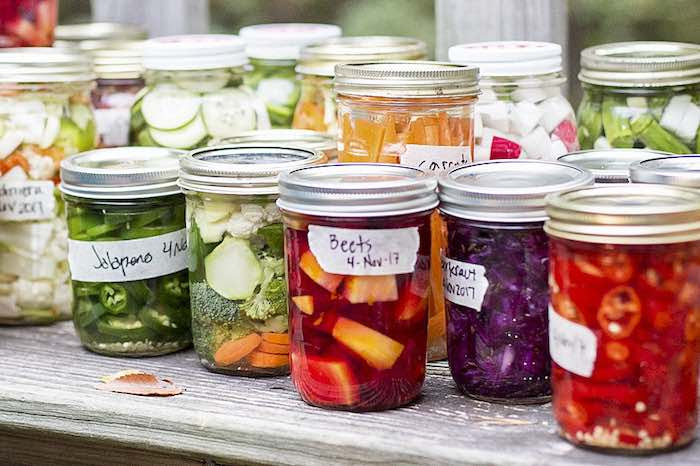
This is one of the reasons I make my own. When you ferment at home, you know exactly what you’re getting live cultures, no additives, and full control over the process.
The Fermented Foods I Eat Regularly
I keep things simple and rotate based on what I feel like making and what’s in season. My regulars include L. Reuteri yogurt, which I’ve written about extensively on this site, as well as sauerkraut and kefir.
Each one is easy to make at home once you understand the basics, and each one brings something slightly different to the table in terms of the bacterial strains and nutrients involved.
A Simple Place to Start
If you’re new to fermented foods and not sure where to begin, I’d suggest starting with just one thing and getting comfortable with it before adding more.
L. Reuteri yogurt is a great entry point if gut health is your primary focus you can find my full beginner’s guide here. Sauerkraut is probably the simplest ferment of all if you want to start with vegetables. And water kefir is a good option if you’re dairy-free.
You don’t need to overhaul everything at once. Even adding one fermented food to your daily routine is a meaningful step.
The evidence for fermented foods isn’t perfect — the science is still catching up with what traditional cultures have known for centuries. But in my experience, making them a regular part of how I eat is one of the simplest and most enjoyable things I do for my health. And simple habits you actually enjoy are the ones that stick.