
How Long to Ferment L. Reuteri Yogurt? (Why 36 Hours Is Commonly Used)
One of the most common questions people ask when making L. reuteri yogurt is:
How long should I ferment it?
The short answer is:
36 hours is the commonly used time frame.
That’s longer than regular yogurt, but L. reuteri yogurt is usually made differently. The goal is not just to thicken milk quickly — it’s to allow a prolonged fermentation period that gives the culture more time to grow.
Once I stopped guessing and committed to a consistent 36-hour process, my batches became much more reliable.
This guide explains why 36 hours is used, what happens if you stop early, and how to know when your batch is done.
How Long Should You Ferment L. Reuteri Yogurt?
L. reuteri yogurt is commonly fermented for 36 hours because the goal is extended fermentation to encourage higher bacterial counts. Unlike regular yogurt, this method is typically used to maximise microbial growth rather than simply thicken milk quickly.
Why 36 Hours Is Different From Regular Yogurt
Traditional store-style yogurt is often fermented in a much shorter time.
L. reuteri yogurt is usually made with a different purpose:
- extended fermentation
- higher bacterial counts
- thicker texture
- more tangy flavour
That’s why many home recipes use 36 hours rather than 6–12 hours.
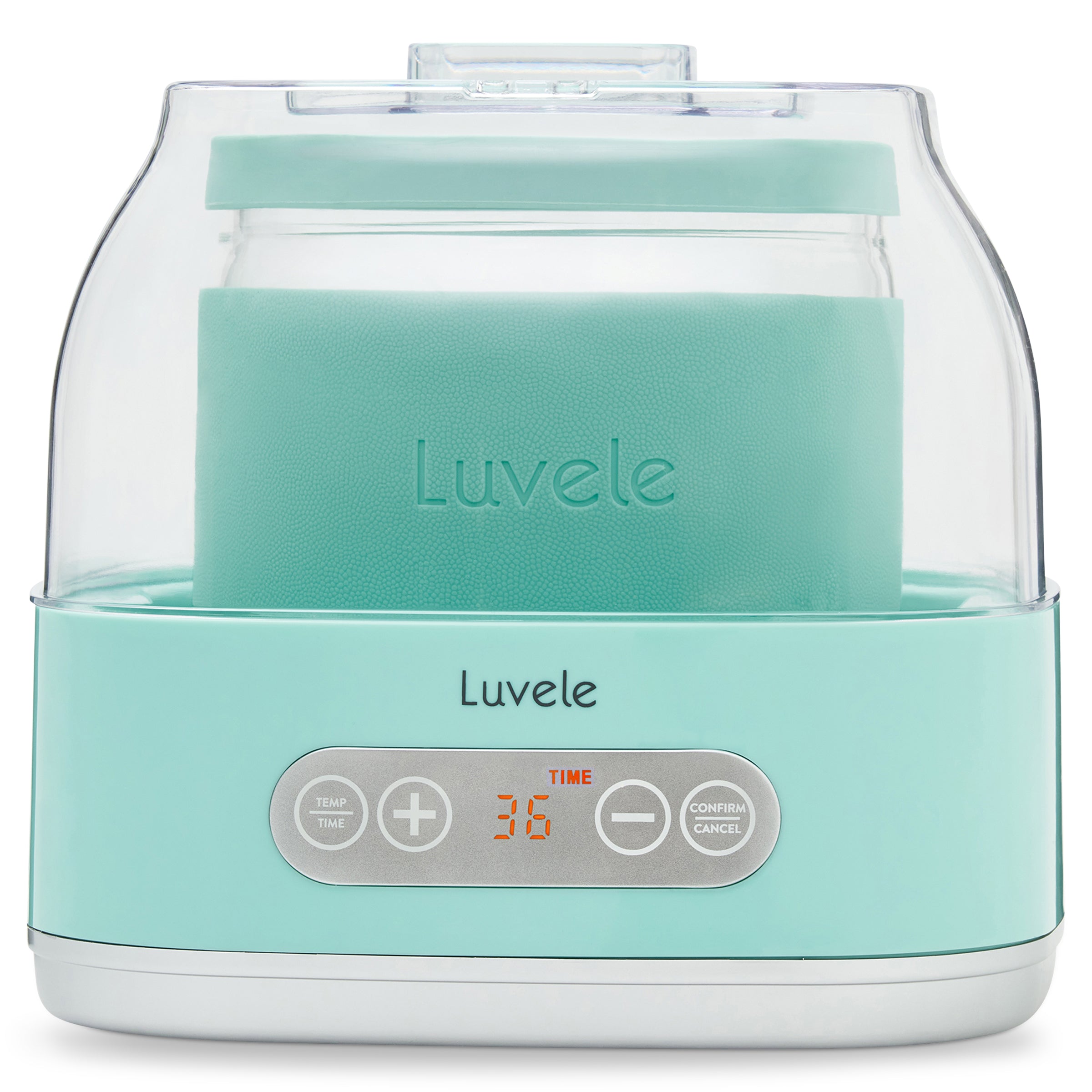
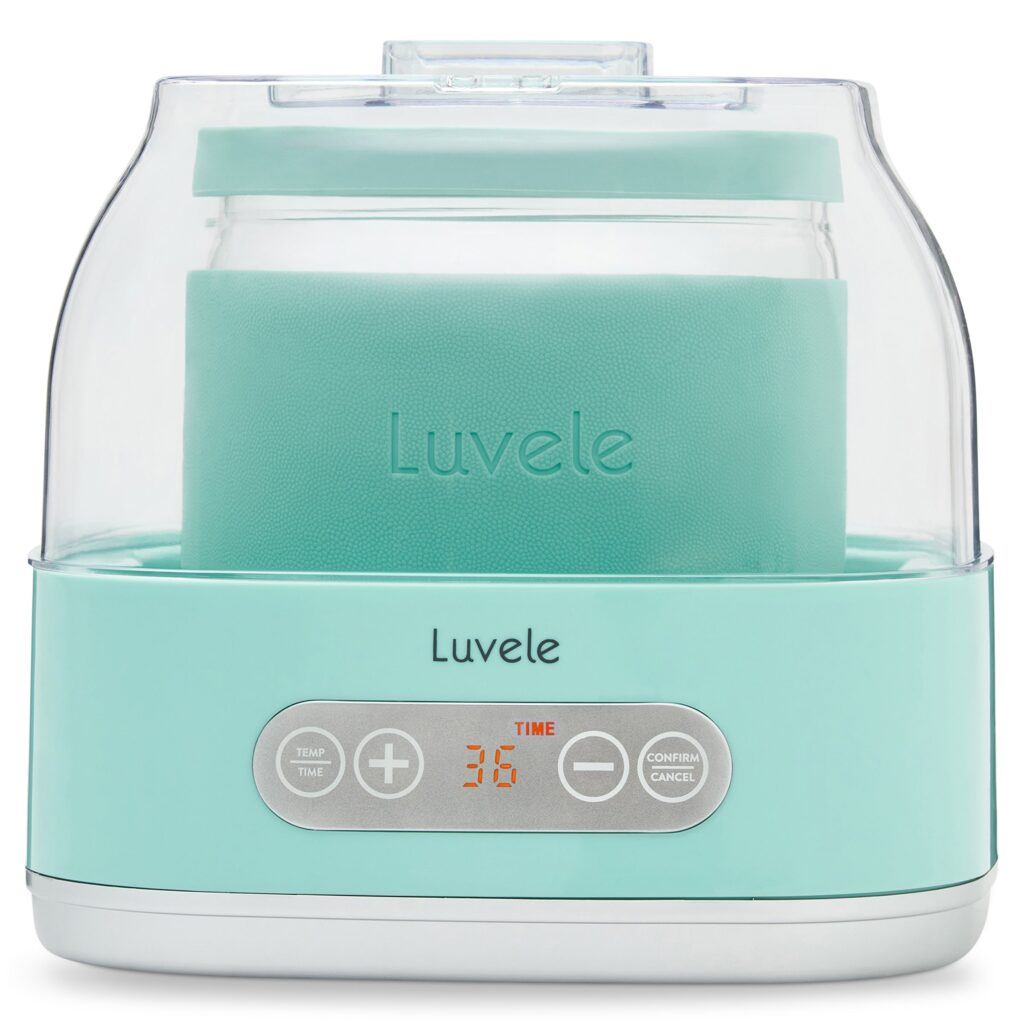
See my recommended yogurt makers here for a 36 hour timer and constant temperature control
What Happens If You Stop Too Early?
If you stop well before 36 hours, you may get:
- thinner yogurt
- weaker tangy flavour
- less consistency
- incomplete fermentation
Some people stop when it “looks like yogurt,” but time matters with this method.
What Happens If You Go Too Long?
Longer isn’t always better.
Going too far beyond 36 hours may increase:
- separation into curds and whey
- extra sourness
- grainy texture
- inconsistent results
That’s why I prefer repeating a stable 36-hour method rather than constantly pushing longer times.
My Experience With Timing
When I first started, I changed timing too often.
24 hours one batch.
30 hours the next.
Then longer again.
It made troubleshooting difficult.
Once I stuck with 36 hours consistently, I could finally judge the effect of milk choice, starter strength, and temperature properly.
That made everything easier.
Best Temperature for 36 Hours
The commonly used range is:
- 36°C to 38°C
- 97°F to 100°F
Stable temperature matters just as much as total time.
Even a perfect 36-hour run can fail if the device runs too hot or too cool.
Signs Your Batch Is Done
After 36 hours, many batches will be:
- noticeably thicker
- tangy smelling
- set or semi-set texture
- slightly separated on top sometimes (normal)
Chill in the fridge for 6 hours or more before stirring or serving.
If Your Batch Is Still Thin at 36 Hours
Usually the issue is not time alone.
Check:
- weak starter culture
- poor milk choice
- unstable temperature
- additives in milk I
- contamination
More time is not always the answer.
Frequently Asked Questions
Is 36 hours really necessary?
It is the commonly used method for L. reuteri yogurt and often gives the most consistent results.
Can I do 24 hours instead?
You can, but 36 hours gives a higher microbe count and is much better for l.reuteri yogurt
Can I ferment longer than 36 hours?
You can experiment, but 36 hours is the best for l. reuteri yogurt
Why is mine runny after 36 hours?
Usually milk quality, weak starter, or temperature issues.
Should I stir it straight away?
No put it in the fridge for 6 hours or more to set then stir.
Where to Go Next
If you’re improving your batches, these help:
- Why Your L. Reuteri Yogurt Failed
- Best Milk for L. Reuteri Yogurt
- Best Prebiotics for L. Reuteri Yogurt
- Best L. Reuteri Starter Cultures
Final Thoughts
For most people, the simplest answer is the best one:
👉 ferment L. reuteri yogurt for 36 hours and keep the process consistent.
Once timing, temperature, and ingredients are steady, results become much easier to repeat.
That’s when homemade batches start working reliably.