
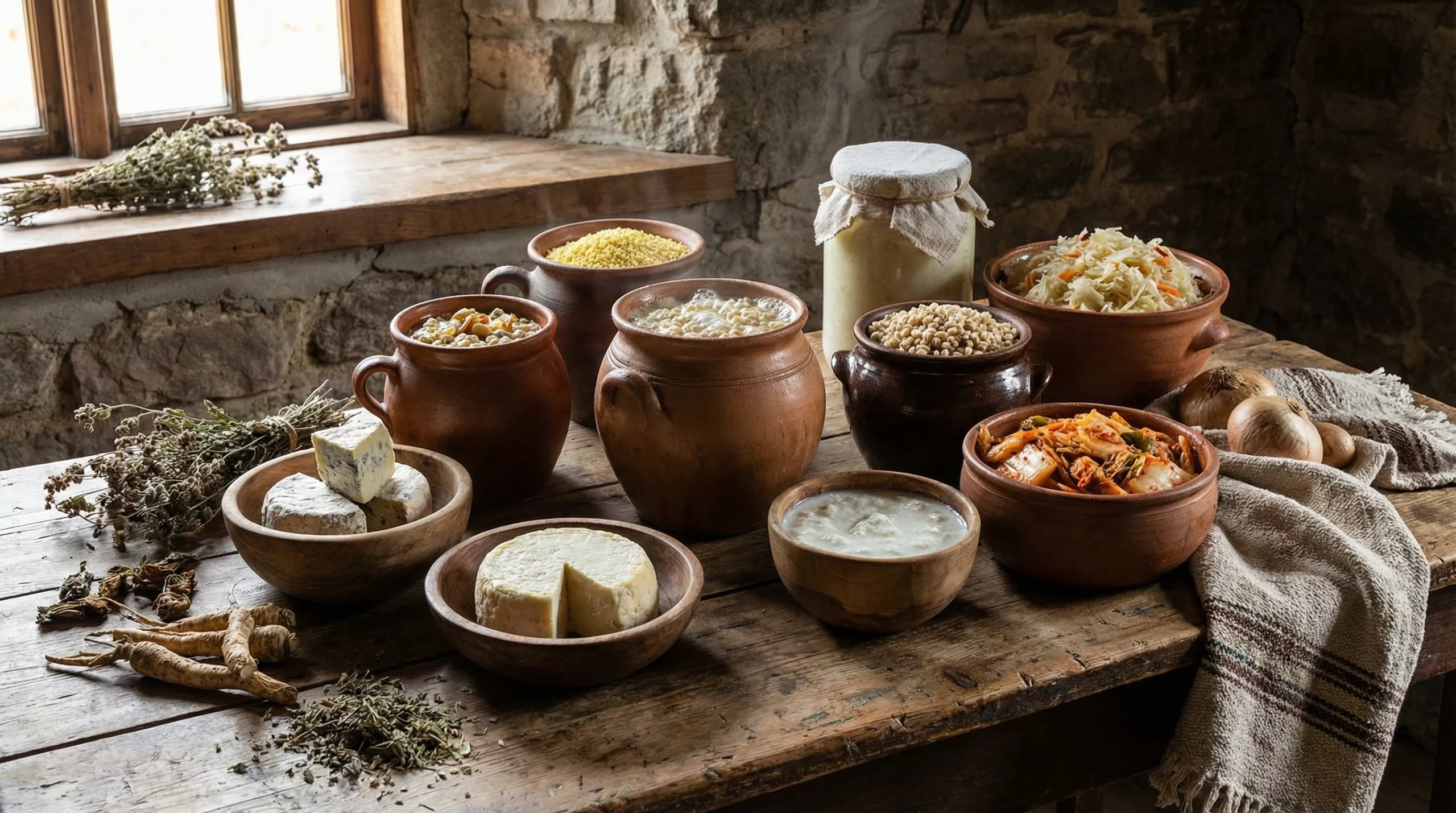
Fermented foods have been a staple in human diets for thousands of years. From tangy yogurt to fizzy kombucha, the flavors and health perks of fermentation have made a big impact on communities across the globe. Looking back, ancient cultures didn’t just stumble upon fermented foods; they developed them with purpose, blending tradition, survival, and even ritual. It’s fascinating how these foods shaped not just diets, but entire ways of life. This article unpacks the interesting story behind the role of fermented foods in ancient cultures, covering the basics, jumping into the benefits, and looking at what made them so popular even way back then.
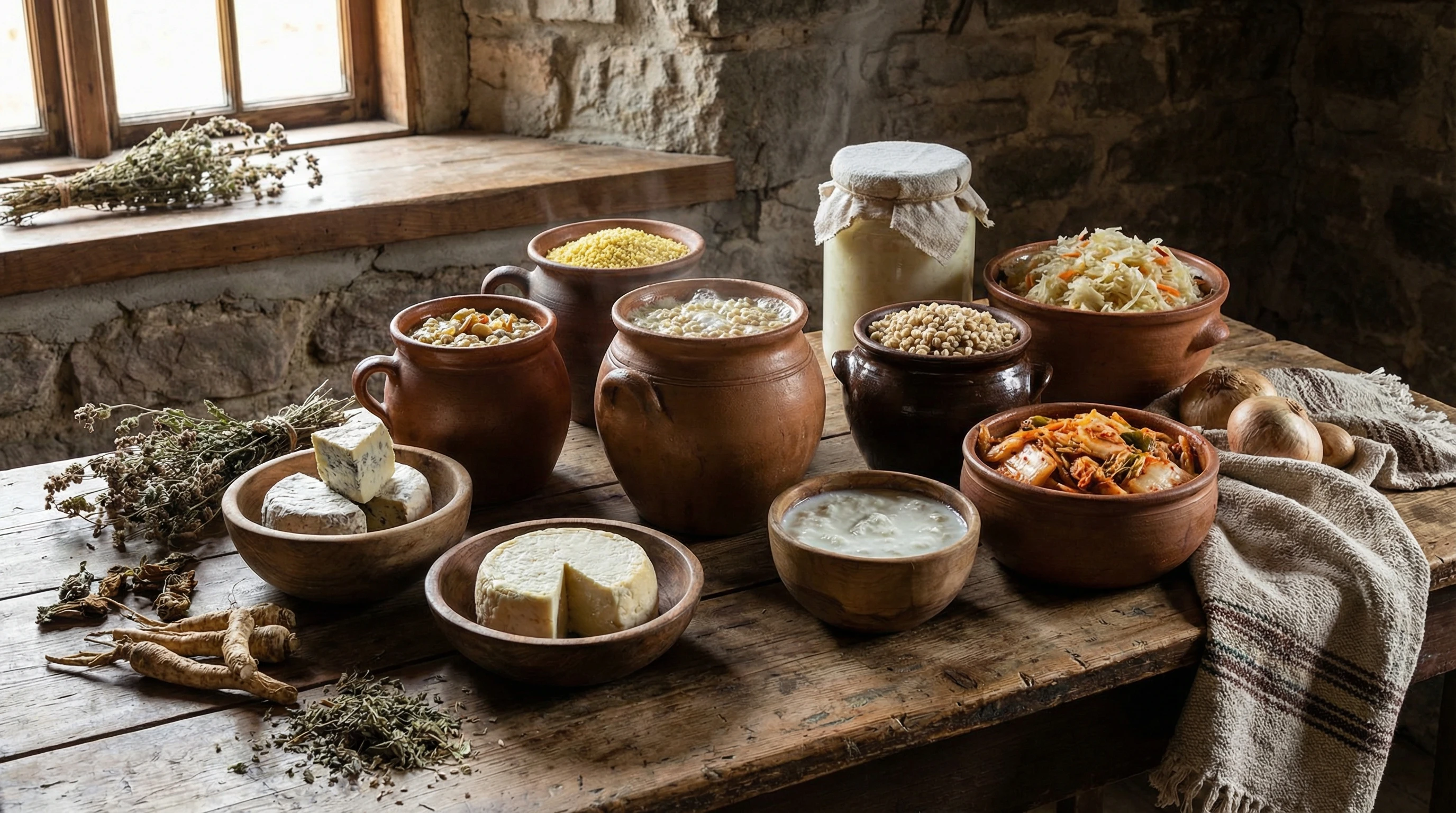
The Ancient Origins of Fermented Foods
Fermentation goes way back. It’s actually one of humanity’s oldest methods of transforming, preserving, and stepping up food. Archaeologists have dug up evidence of fermented beverages from as early as 7000 BCE in Neolithic China, and there are signs of ancient Egyptian bread and beer dating to at least 4000 BCE. Fermented milk products like yogurt and kefir have been traced back thousands of years to Central Asia and the Middle East. The diversity is pretty mindblowing. Each culture adjusted to their unique climate and local resources, making fermentation something universal yet deeply local at the same time.
For ancient people, discovering fermentation probably happened by accident. The right set of microbes got into some food—and boom, transformation. Instead of letting food waste away, people realized that certain changes in smell, taste, and texture actually made food last longer and taste better. It didn’t take long for these happy accidents to become intentional recipes passed down generation after generation.
Why Ancient Cultures Loved Fermented Foods
Fermented foods solved real problems for ancient communities, especially around food storage and safety. Before working refrigerators and supermarkets, fermentation was a reliable way to extend the shelf life of everything from vegetables to dairy to grains. This was super useful when harvests only happened once a year, or livestock were only available seasonally.
Besides keeping food safe, fermentation also packed foods with extra flavor. Think about the difference between plain cabbage and sauerkraut or kimchi. Certain nutrients even get a serious boost in the process, such as B vitamins, probiotics, and antioxidants. Some foods that were dangerous or tough to digest (like cassava or some beans) became safe and nutritious once fermented. It’s a solid reminder of how inventive ancient cooks could be, always coming up with new ways to make the most of what they had.
Key Ancient Fermented Foods Around the World
Different corners of the ancient world had their own goto fermented foods. Here are some classic examples and what made them so important:
- Mesopotamia & Egypt: Beer and sourdough bread were everyday items. Ancient farmers used wild yeasts to both bake bread and brew beer, keeping grains edible for longer and adding variety to their diets.
- Asia: Soy sauce, miso, and various fermented vegetables (like the ancestors of kimchi and pickles) were cooked up by slowly breaking down grains and legumes with fungi and bacteria.
- Mediterranean: Ancient Greeks and Romans enjoyed fermented olives, cheese, and wine—enjoying not just the taste, but also social rituals around these foods.
- Central & South America: Indigenous people prepared chicha (a fermented corn drink), pulque (from agave sap), and various fermented roots, using wild yeast and microbes to preserve and enrich staple crops.
- Africa: Traditional soured porridges like ogi or injera allowed grains to go further and fed whole communities on the regular.
It’s interesting to see how these foods went beyond nutrition. They became part of celebrations, religious ceremonies, and medicine cabinets. These fermented staples often played a role in social gatherings and even symbolized community or spiritual connection. Feasts and festivals would be incomplete without these traditional goodies, tying people to one another and to their shared past.
How Ancient People Fermented Foods
Without access to modern equipment, ancient people got pretty creative with their fermentation methods. Here’s what they did to get those tasty tangs and fizz:
- Clay Pots & Sealed Jars: Most ancient fermentation happened in clay vessels that let just enough air in for the right microbes to thrive but kept out unwanted bugs and spoilage.
- Underground Storage: Buried pots in cool earth worked like natural refrigerators for longterm fermentation.
- Wild Cultures: Instead of adding labgrown starters, ancient cooks relied on the natural yeasts and bacteria on their hands, utensils, and food—think wild sourdough or natural wine.
- Salt & Spices: Adding salt, herbs, and spices helped control which microbes would multiply, making safe and tasty ferments possible in unpredictable conditions.
It took skill and a bit of luck, but after a few successful batches, traditional knowhow turned into family secrets and local customs. Some of these rituals still live on today among artisanal cheesemakers and home fermentation fans.
Fermentation and Health in Ancient Cultures
Ancient healers and wise folk noticed that people who ate fermented foods seemed healthier. Even before they knew about gut bacteria or probiotics, many cultures believed these foods could promote vitality and help with digestion. Fermented milks, for example, were often given to the sick or the elderly, and certain fermented drinks doubled as early forms of medicine or “elixirs.”
Some fermented foods were even believed to help shield against disease. There’s historical evidence suggesting ancient societies reached for their favorite ferments during food shortages, times of plague, or as part of rituals for blessing and protection. Whether for health or just tradition, these foods had a spot at the table when it mattered most.
Challenges and Risks with Ancient Fermented Foods
Just like any traditional method, fermentation came with its own set of risks. If the wrong microbes took over, spoiled or even toxic food could result. Here are a few things ancient cultures had to get a grip on:
- Trial and Error: It wasn’t always easy to get fermentation right. People had to pay close attention to smells, colors, and taste to spot when something was off.
- Naturally Variable Conditions: Heat, humidity, and cleanliness all switched up how a batch would turn out. Ancient cooks developed seasonal routines and regional secrets for more predictable results.
- Education and Tradition: Learning straight from parents and elders kept these foods safe through the years, and using the right containers, tools, or timing became central to the tradition.
These oldschool smarts make up a huge part of food history. Modern scientists are still tracking down details about old fermentation techniques by studying ancient pottery, preserved seeds, and even genetic traces from original batches.
Fermented Foods in Rituals and Social Life
Fermented foods weren’t just everyday fare; they often played big roles in ceremonies and festivals across cultures. Sharing bread and beer was part of ancient Egyptian offerings to the gods. The Greeks threw large wine festivals. Communal feasts in Asia and Africa often spotlighted fermented dishes. In Mesoamerica, special ferments marked weddings, harvests, or even coronations.
Making and sharing fermented foods had a punch of social meaning. Preparing them together strengthened family bonds, connected people to their land, and made for happier celebrations. For many ancient communities, these foods helped mark the calendar and unite the group—side benefits beyond just having something tasty on the table. Sometimes, those recipes were passed along only at special times of year or used to welcome outsiders and honor guests.
FAQ: Quick Facts on Ancient Fermented Foods
Curiosity about history’s favorite foods never really goes away. Here are some questions I get asked pretty often:
How did people figure out fermentation?
Most likely, it started by accident—some food left in the right place just started bubbling or souring, and people tasted and noticed it kept for longer, tasted better, or even made them feel good. Over time, people learned to recreate these happy accidents on purpose.
What are the health perks of fermented foods?
Ancient people may not have known about probiotics, but today we know fermented foods support gut health, provide vitamins that are hard to find elsewhere, and can even help with allergies or digestion.
Was fermentation only for food, or did it have other uses?
Besides food, fermentation was used for medicines, drinks used in ceremonies, cleaning agents, and even preserving animal skins for clothing. Its reach covered pretty much every part of daily life at some point.
Bringing Ancient Fermentation Into Modern Life
Fermentation might sound like an ancient practice, but it’s trending again today. Modern versions of these foods connect us with ancient knowledge, letting us eat like our ancestors while tracking down new flavors and wellness benefits. If you’re curious, giving homemade sauerkraut or kefir a go can be a simple (and tasty) way to tap into history yourself. Local farmer’s markets, specialty stores, and online guides make it a lot easier now, and way less risky, than it was centuries ago.
There’s something eye-catching about knowing the food you eat is part of a much bigger story. Fermented foods connect us to survival, tradition, and even a little ancient magic; one bite at a time. Wrapping up, the journey of fermented foods shows how ancient wisdom still flavors our lives today, teaching us that sometimes, the oldest tricks can be the tastiest.