
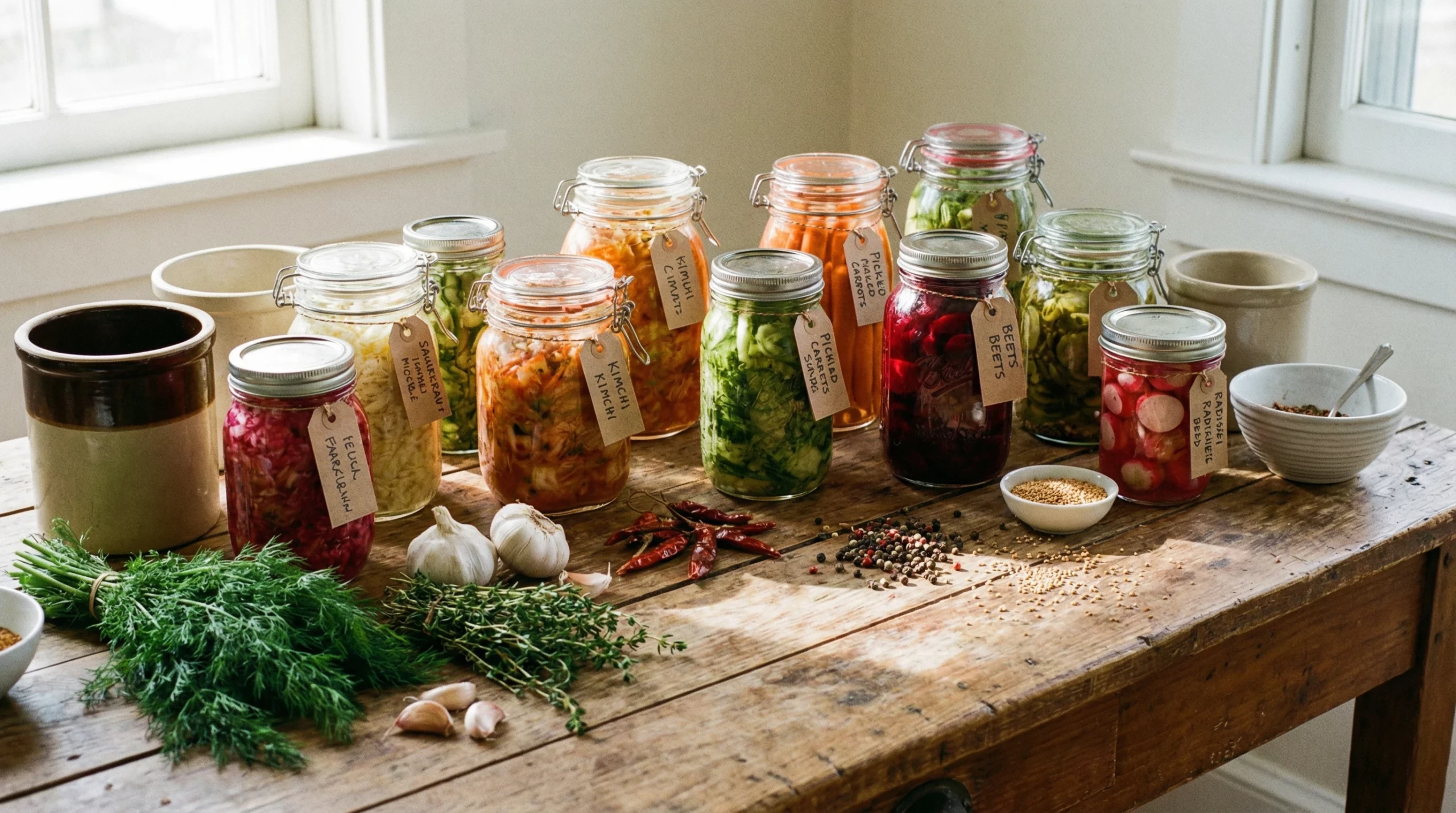
If you’re into fermenting foods at home, maintaining the cleanliness and quality of what you create can end up being a make-or-break factor for the final product. Contamination in food, especially during fermentation, isn’t just a risk for ruining flavors—it can lead to spoilage and potential health problems if not handled carefully. I’m going to walk through what contamination in food looks like, how you can spot the signs, and the steps I use to keep ferments safe and delicious every time.
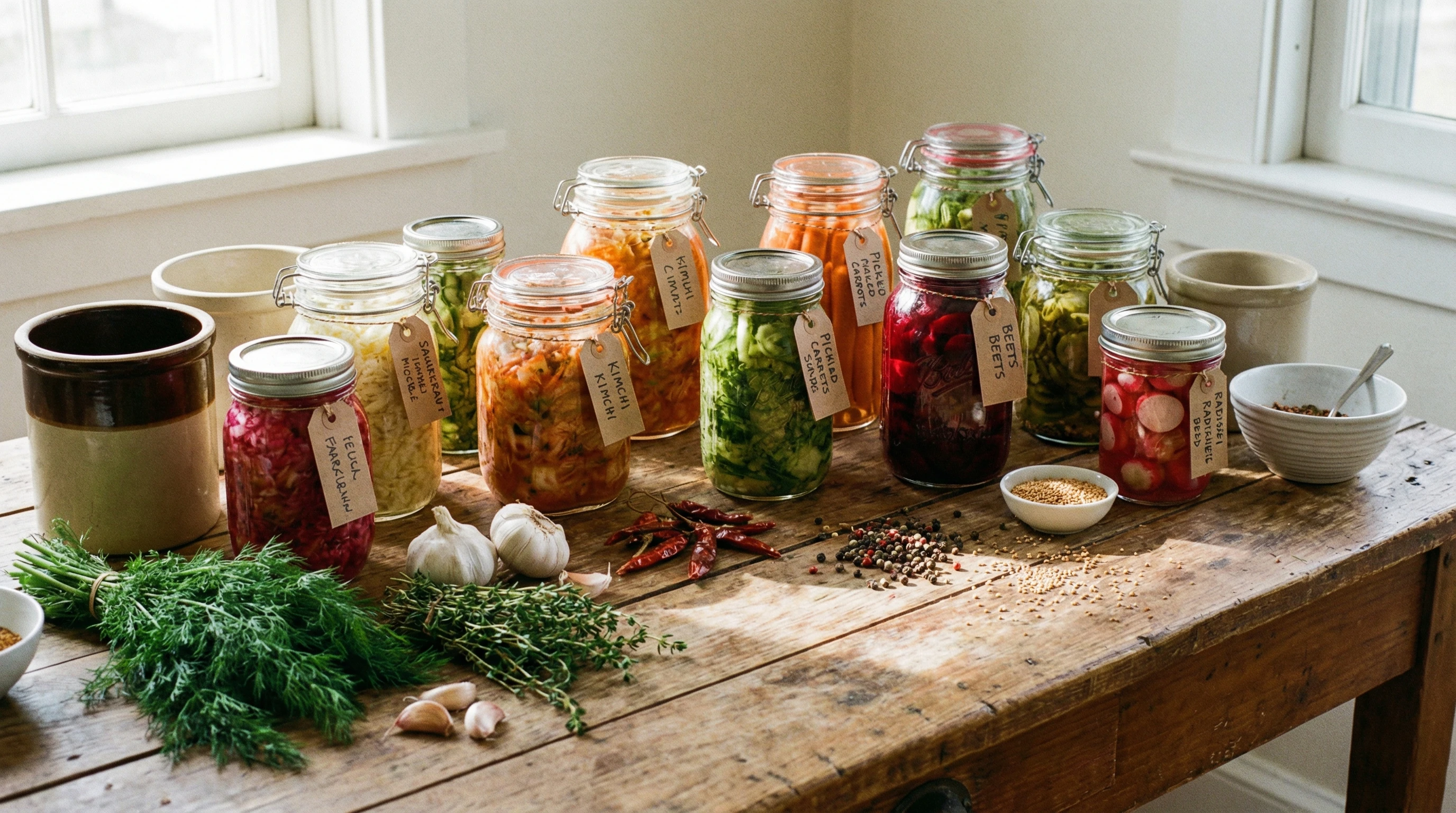
Understanding Food Contamination and Its Relevance to Fermentation
Contamination in food happens when unwanted organisms, chemicals, or foreign substances sneak in where they shouldn’t be. During fermentation, the goal is to let good microbes (like lactic acid bacteria or yeast) do their thing, while keeping the bad stuff out. But contamination can come from a few different places, sometimes from the food itself, equipment, your work surface, or even your hands if you’re not careful.
Fermentation relies on a balance of microbes, so recognizing the sources and types of contamination is pretty important. There are three main areas where problems pop up in home ferments:
- Biological Contaminants: These are unwanted bacteria, molds, and yeasts.
- Chemical Contaminants: Examples include pesticides or cleaning residues left on veggies or jars.
- Physical Contaminants: These are foreign objects like hair, dirt, or bits of plastic.
Recognizing Signs of Contamination in Home-Fermented Foods
Fresh ferments should look, smell, and taste inviting, never questionable. Sadly, even pros deal with ruined jars, so don’t get discouraged. Here are common clues that something’s gone off track:
- Odd Odors: Fermented foods usually smell tangy, sour, or pleasantly funky. A rotten, putrid, or strongly chemical smell almost always means you should toss it.
- Strange Colors or Growth: Mold can appear as fuzzy spots, white, blue, green, or black, on the surface. Discoloration of the brine or vegetables, or cloudiness that looks slimy, is another warning sign.
- Texture Changes: If veggies get mushy or slimy, rather than crisp and bright, things didn’t go as planned.
- Unusual Taste: Always taste with caution, and never eat food that already looks or smells wrong. If something tastes bitter, musty, or otherwise off, it’s safest to spit it out and try again.
- Gas/Swelling: Fermentation produces bubbles (mostly from CO2), but jars or bags that bulge excessively may mean gas-producing spoilage bacteria got a foothold.
Quick Safety Guide: Steps to Avoid Contamination in Fermentation
I always use a few straightforward habits to dodge most contamination headaches:
- Start with Clean Gear: Wash all equipment—jars, weights, lids, knives, and your hands—with hot soapy water, and rinse thoroughly. Some folks like to boil their jars or use a diluted vinegar rinse for extra peace of mind.
- Use Fresh, Quality Ingredients: Pick produce that’s free from obvious damage or spoilage. Giving veggies a gentle scrub to remove soil or residue helps keep unwanted microbes out.
- Salt Brine Matters: Salt isn’t just for flavor, it’s super important for creating an environment that encourages good microbes and holds back the bad ones. Use recommended salt-to-water ratios for each recipe you’re following.
- Submerge Everything: Fermentation is anaerobic, meaning it should happen with little to no air. Keep all ingredients under the brine using fermentation weights or even a simple piece of clean cabbage leaf pressed down over the veggies.
- Store at the Right Temperature: Most ferments do best at “room temperature,” but if it gets too warm, spoilage can jump in fast. Aim for a steady, cool spot out of direct sunlight.
- Inspect Daily: Check your ferments for signs of mold, odd smells, or changes in color. Catching a problem early can sometimes save an entire batch.
Common Challenges and How I Handle Them
Even when you follow all the rules, surprises still happen. Here’s how I troubleshoot the usual issues at home:
- Kahm Yeast: This is a harmless white or cream colored film that can show up on the surface. While it isn’t dangerous, it looks unappetizing and may affect flavor. I skim it off with a clean spoon and keep going, but if it reappears a lot, I might restart the batch.
- Mold: Fuzzy or brightly colored mold is a no-go. Once mold appears, I pitch the batch, safety first every time.
- Soft or Slimy Veggies: Common in ferments that sit out too long, use less salt, or have been exposed to warm temperatures. Keeping things cool and making sure my salt ratio is right usually solves this.
- Cloudy Brine: Mild cloudiness is usually just lactic acid bacteria hard at work, especially in sauerkraut or pickles. Thick, slimy brine or brine with floating bits is more worrisome and means I’ll discard the batch.
Equipment Tips for Reducing Risk of Contamination
Keeping things clean and organized makes fermenting easier and safer. I rely on a few tools to keep things tidy:
- Fermentation Jars with Airlocks: These limit air but let built-up gas escape, reducing the risk of oxygen loving molds.
- Fermenting Weights: Glass or ceramic weights make sure everything stays put under the brine.
- Dedicated Cleaning Brushes: These help scrub nooks and crannies in jars or crocks.
- Notebook or Food Log: I jot down each batch’s ingredients, salt ratio, start date, and observations. It’s really handy for troubleshooting and tracking down what works best.
Real-World Examples of Contamination in Fermentation
I’ve had my fair share of “learning experiences.” Once, trying to ferment carrots in the middle of a heatwave, I got a jar with cloudy brine and a powerful off smell on day three. I realized my brine was too weak; upping the salt next time made a big difference. Another time, a friend used old cucumbers for pickles, and while the brine was fine, the veggies turned mushy. Fresh produce really matters.
Reading online forums can show how common these issues are. Over at Cultures for Health and other fermentation communities, you’ll find loads of examples and photos that make recognizing problems much easier if you’re unsure what you’re looking at.
Extra Tips for Avoiding Food Contamination Outside Fermentation
The best habits for safe ferments also apply to regular food prep. Some basics to keep in mind:
- Always wash produce thoroughly, especially if it’s been stored in soil or handled a lot.
- Store ready-to-eat and raw foods separately in your fridge to prevent cross contamination.
- Sanitize cutting boards regularly, and use separate ones for raw meats if you’re prepping more than just veggies.
Frequently Asked Questions
Here are a few questions locals in my fermentation groups are always tossing around:
Question: Is it ever safe to scrape mold off a ferment and eat the rest?
Answer: Most experts say to err on the side of caution. Mold can have invisible roots in the brine and veggies, so when in doubt, throw it out. White kahm yeast is different, safe to remove, but actual fuzzy or colored mold is a dealbreaker.
Question: What brine ratio is best for vegetables?
Answer: A 2-3% salt solution (about 1-1.5 tablespoons of salt per quart of water) is a good starting point for most vegetable ferments. Some recipes or veggies might need tweaking, but this keeps the balance right most of the time.
Question: How long do I leave ferments out before refrigerating?
Answer: Timing depends on the recipe and your room temperature. Most vegetable ferments need anywhere from 3 days to 2 weeks at room temp, taste as you go for your preferred sourness, then store in the fridge to slow fermentation.
Final Thoughts
Identifying and preventing contamination in fermented foods is mostly about staying alert to changes in appearance, smell, and taste, and building a consistent routine that keeps bad microbes away. Clean gear, quality ingredients, and the right salt ratio can help keep your home ferments safe, giving you tasty, healthy fermented treats for months to come.