v

Introduction To Fermentation
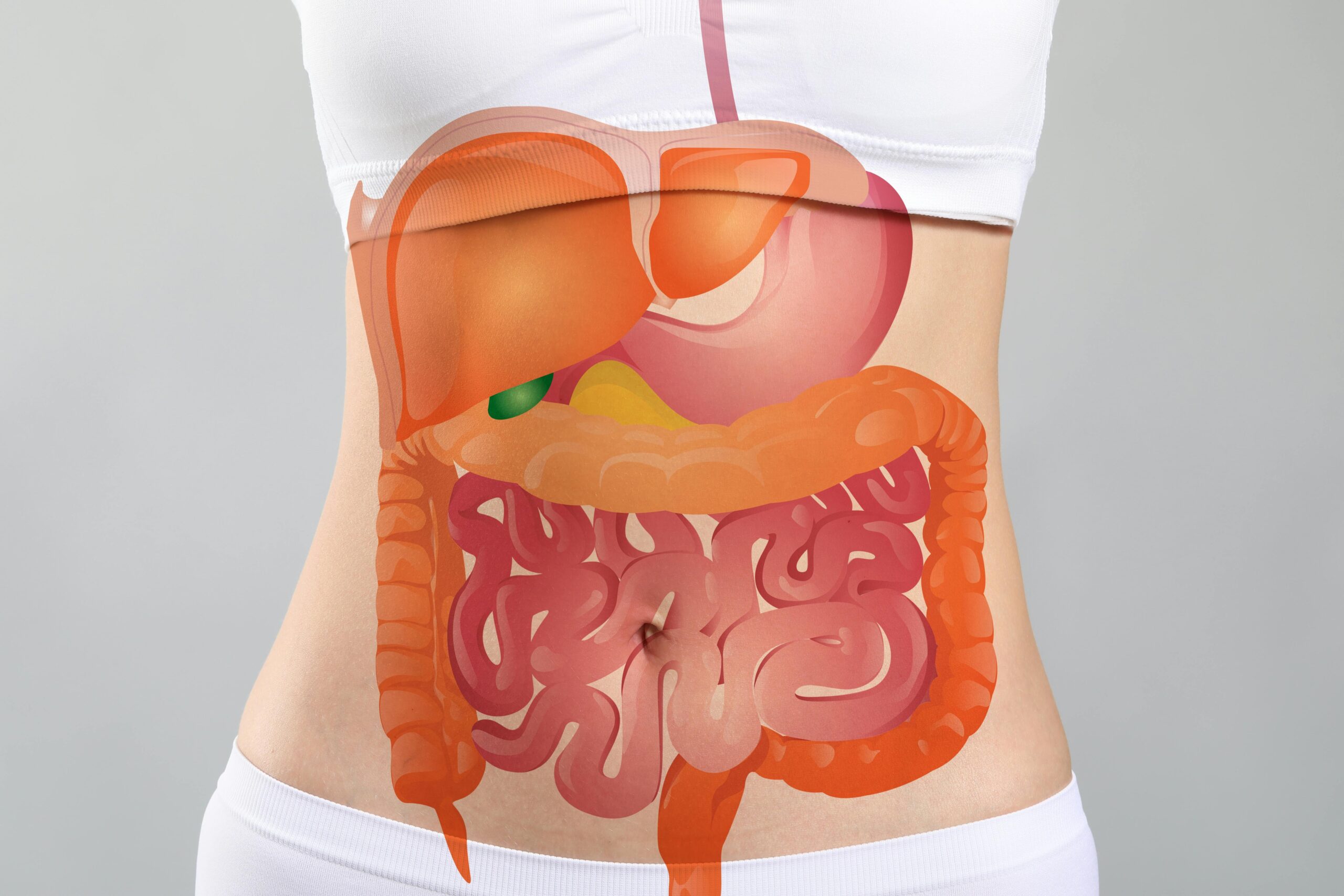
picture of internal stomach

Introduction Fermentation has been used for thousands of years to preserve food, enhance flavor, and improve digestibility. Long before refrigeration existed, traditional cultures relied on fermentation to safely store vegetables, dairy, grains, and beverages. Today, fermented foods are experiencing a revival — not just for their tangy taste, but for their impressive health benefits. From … Read more
The Role Of Bacteria And Yeast In Fermentation

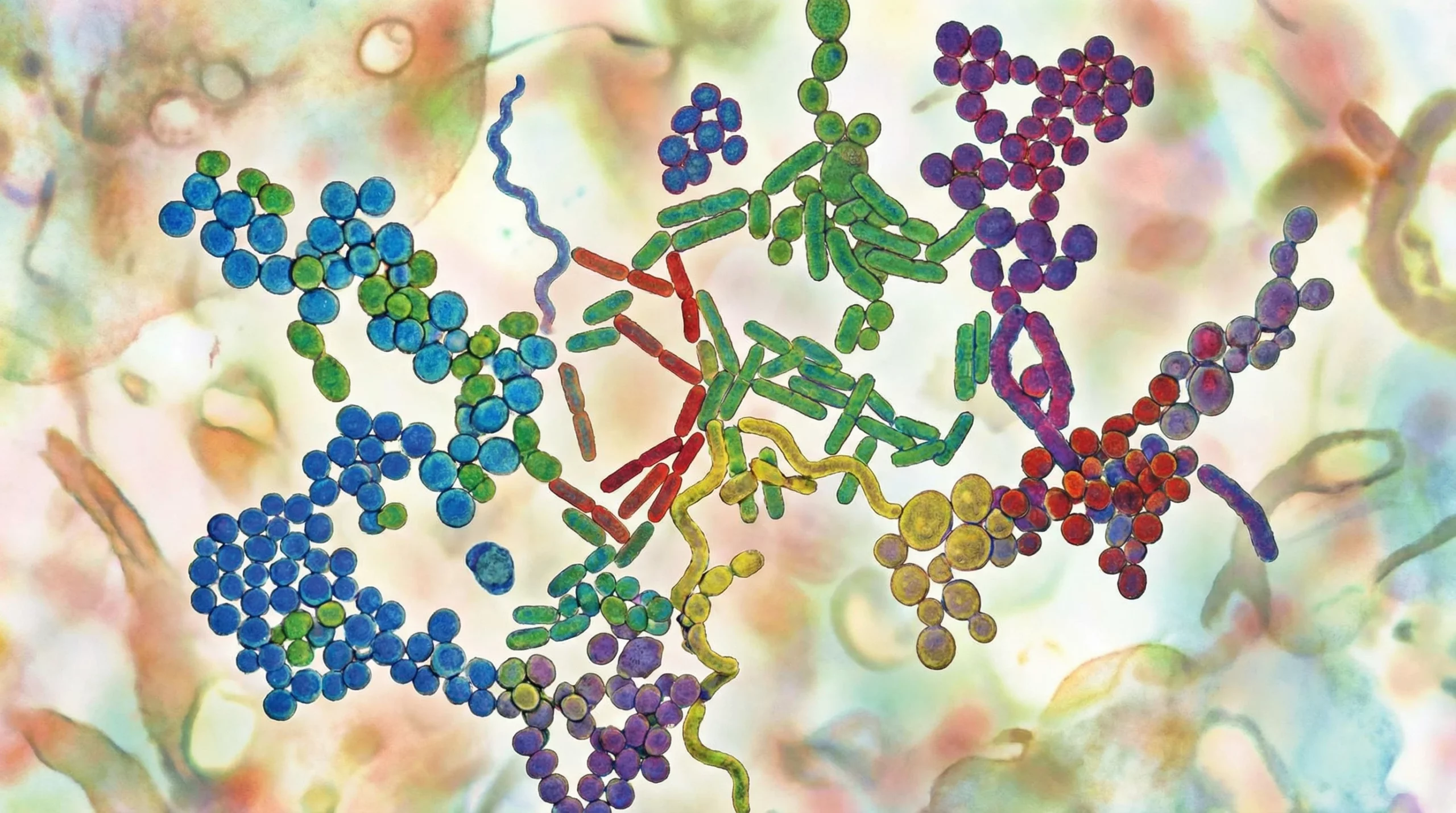
microscopic view of bacteria

Bacteria and yeast play a starring role in fermentation, popping up everywhere—from tangy bread and cheese to fizzy drinks and pickles. Even if you’ve never thought much about it, these tiny organisms help create some of the planet’s most beloved flavors and textures. If you’re curious about how they actually do their thing and what … Read more

How To Start Fermenting At Home Safely

How to Ferment at Home

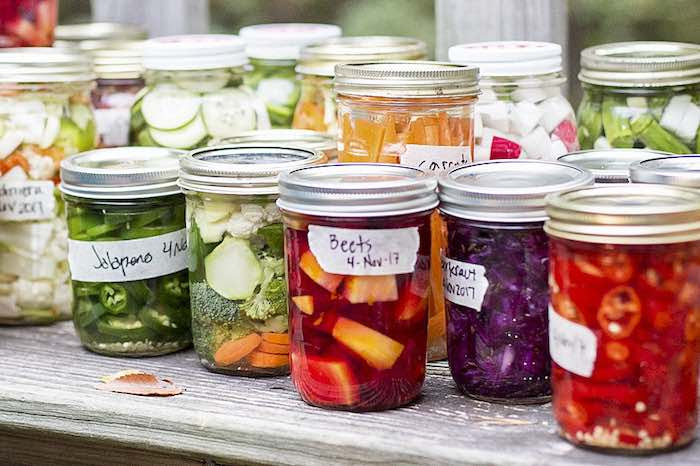
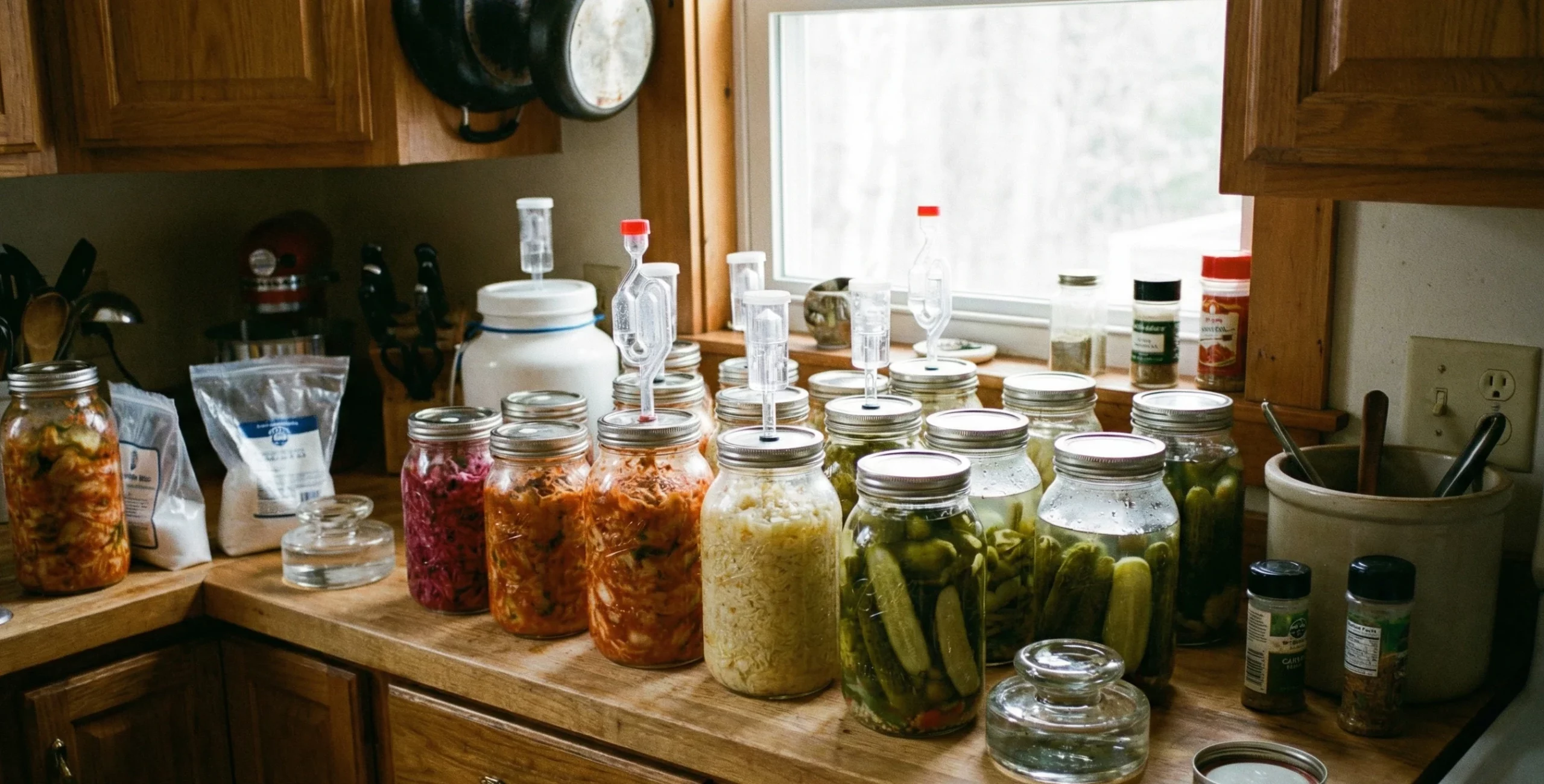
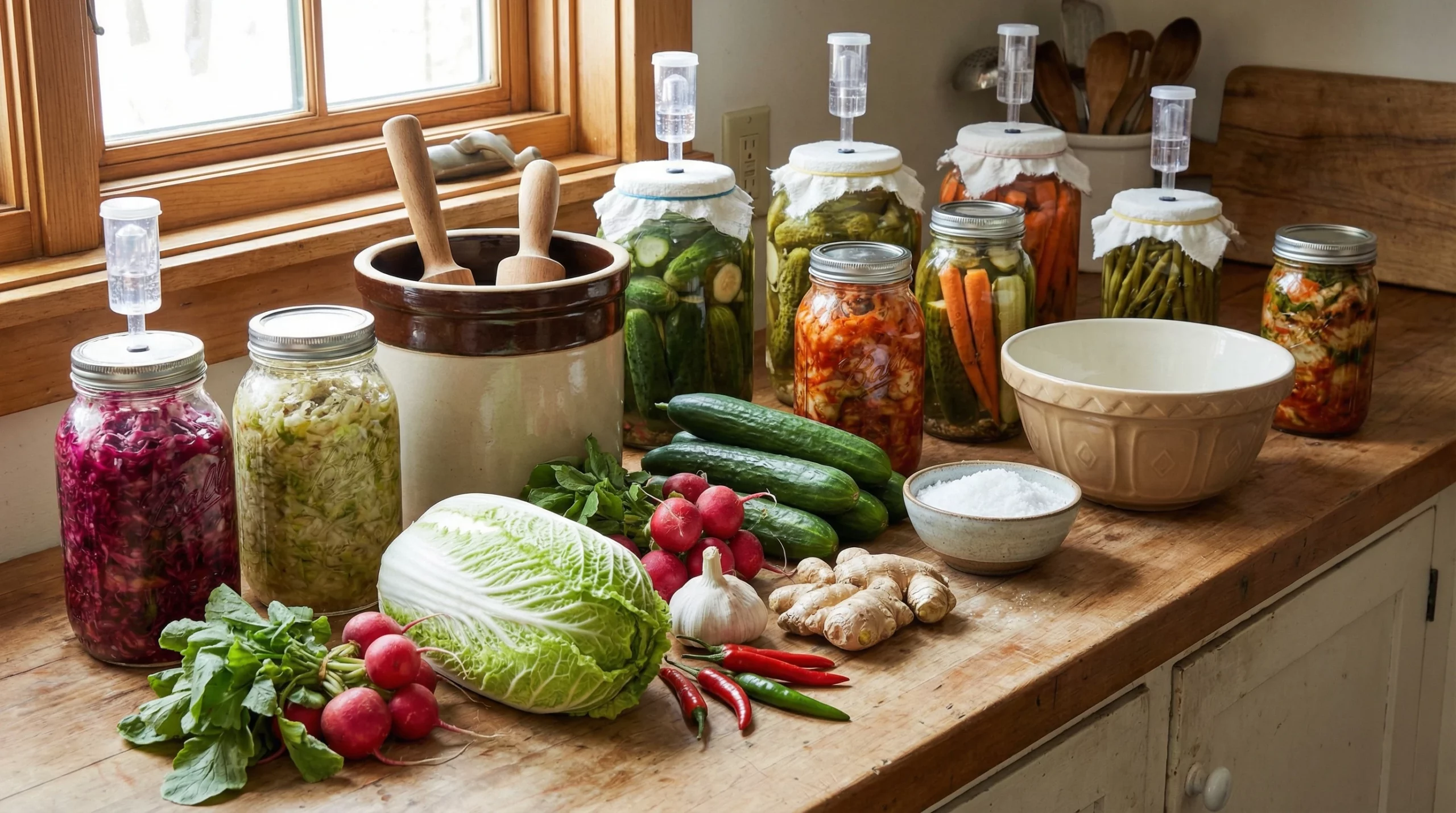
Fermenting at home is a mix of oldschool kitchen tradition and a bit of experimental fun. If you’ve ever eaten yogurt, sauerkraut, or pickles, then you’ve already enjoyed the results of home fermentation—maybe without even realizing it! Making your own fermented foods is pretty satisfying, and there’s a kind of magic watching cabbage turn into … Read more

Fermentation health benefits

Fermentation Health Benefits

5 Powerful Fermentation Health Benefits (And Why Your Gut Loves Fermented Foods) Fermentation has been used for thousands of years to preserve food, enhance flavor, and improve nutrition. But today, interest in fermented foods is growing for another reason: their powerful health benefits. From supporting gut health to enhancing nutrient absorption, fermented foods like yogurt, … Read more

What Is Fermentation?

Fermentation Basics

What Is Fermentation? At its core, fermentation is a natural metabolic process where microorganisms—such as bacteria or yeast—break down sugars into acids, gases, or alcohol. In food fermentation, this transformation: Unlike cooking, fermentation doesn’t rely on heat. Instead, it uses beneficial microbes that already exist in the environment or on the surface of foods. When … Read more