
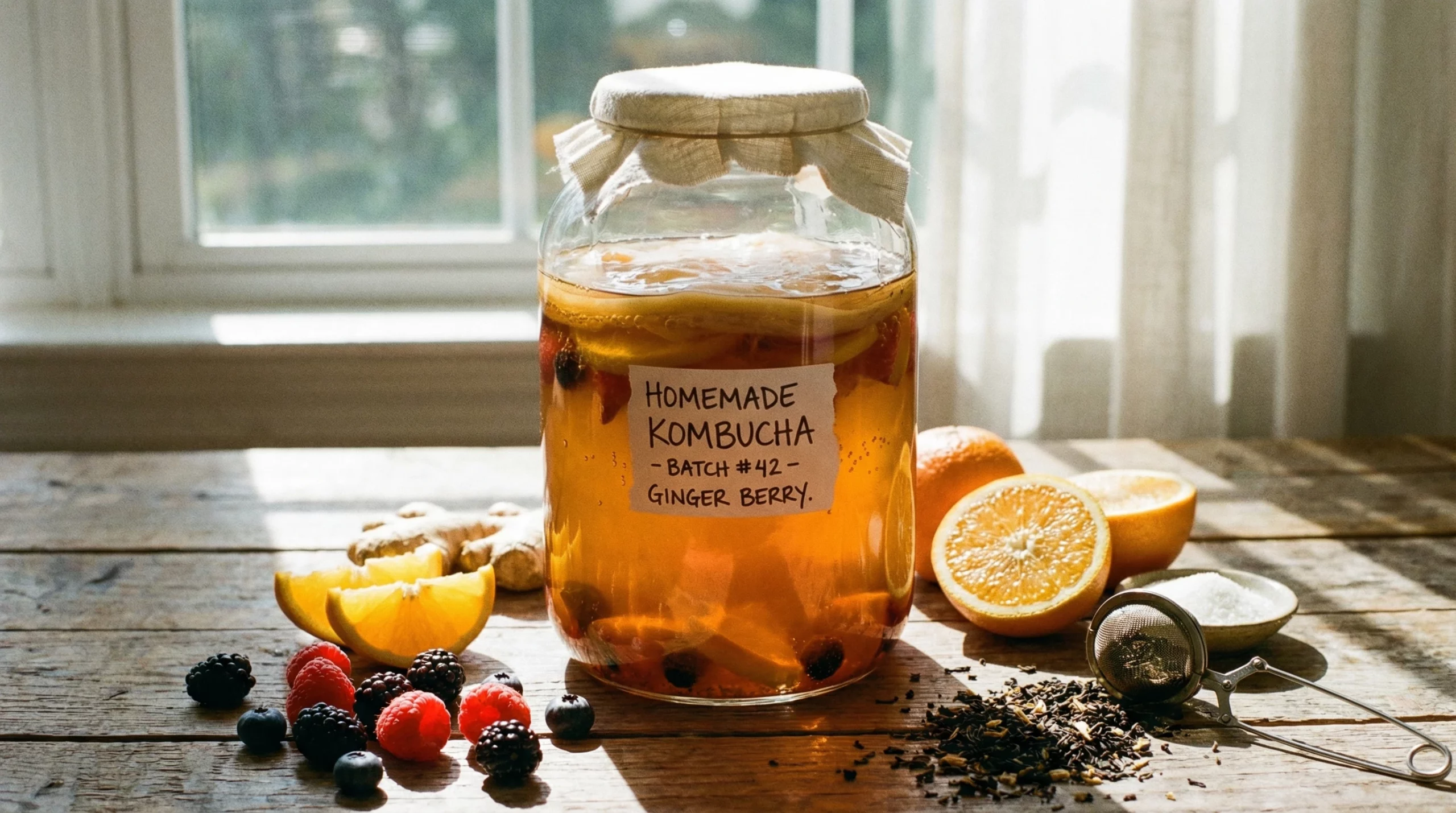
Kombucha is a fizzy, tangy tea that’s been hitting store shelves and kitchen countertops everywhere. Around 2026, kombucha’s health benefits keep making waves as more research rolls out and new blends show up in grocery stores. If you’re wondering what the buzz is about or you want to know how kombucha might make you feel, here’s a clear breakdown with the latest info on what makes this drink really interesting for health in 2026.

What Is Kombucha and Why Is It Everywhere?
Kombucha is basically tea fermented by a mix of bacteria and yeast, known as a SCOBY (symbiotic culture of bacteria and yeast). During fermentation, the bacteria and yeast eat up most of the sugar and turn the tea into a bubbly, tart drink. You’ll find kombucha in all sorts of flavors these days, everything from classic green tea varieties to bottles brimming with ginger, berries, or even adaptogenic herbs.
The roots of kombucha stretch back centuries to Northeast China, but in recent years, it has taken off thanks to its tangy taste, good for your gut reputation, and the rise in interest around probiotics and fermented foods. While in the past folks might have doubted the health claims, new research launched in the past few years is helping clear up what kombucha can (and can’t) do for your well-being.
Kombucha’s Nutritional Profile: What’s in the Bottle?
When you pour a glass of kombucha, you’re sipping on more than just tea. Depending on the brand or your own recipe, kombucha usually contains:
- Probiotics: Live bacteria created during fermentation, which may help keep your gut in balance.
- Antioxidants: Polyphenols from tea, plus any extra antioxidants from added fruits or herbs.
- B Vitamins: Fermentation can bump up levels of certain B vitamins, like B1, B6, and B12.
- Trace amounts of alcohol: Most commercial kombucha contains less than 0.5% alcohol, but some “hard” kombucha has more.
- Organic acids: Acetic acid, lactic acid, and gluconic acid are among the main ones made during fermentation.
Nutritional values can vary slightly between brands and whether it’s homemade, but overall, the live cultures and teas are the core of kombucha’s appeal.
Main Health Benefits of Kombucha in 2026
Kombucha’s been brewed for a long time, but science is only now catching up. Here’s how kombucha may support your health, according to the newest studies and reports from 2025 and 2026:
- Gut Health Support: Because kombucha contains live probiotics, it can help introduce more friendly bacteria to your digestive tract. A healthy gut often means better digestion, less bloating, and sometimes improved nutrient absorption. If you regularly deal with an upset stomach or sluggish digestion, a probiotic-rich drink like kombucha may give your gut a little extra boost. New research in 2026 highlights that even just one glass per day may gently promote gut diversity in healthy adults.
- Antioxidant Properties: Tea itself contains natural antioxidants that help protect your cells from oxidative stress. Fermentation may increase or activate certain helpful compounds. Some studies from the last year show kombucha could be great for fighting against free radicals, possibly offering some support for overall health and aging well.
- Immune System Balance: Since your gut and your immune system are closely linked, a healthy microbiome may also help keep your immune defences strong. The unique blend of acids and bacteria in kombucha may support a balanced immune response, according to several smaller trials reported in late 2025.
- Blood Sugar and Heart Health: There’s fresh data suggesting unsweetened or lightly sweetened kombucha might support healthy blood sugar levels when taken alongside a balanced diet. Animal studies and a few small-scale human trials show modest benefits for stabilizing blood sugar and cholesterol, but more large-scale research is coming soon.
- Hydration (with a Side of Flavor): Since kombucha is mostly water, it counts toward your hydration goals. For people bored with plain water, kombucha offers a little excitement and fizz. Just watch the sugar content if you’re concerned about carbs or calories.
It’s important to note that while promising, these health benefits are still being studied, and what works for some people might not work for all. Enjoying kombucha as a part of a well-rounded diet remains the best approach.
Things to Watch Out For With Kombucha
Even though kombucha brings some cool perks, it’s not a magic potion, and there are a few things to keep in mind if you’re drinking it in 2026:
- Sugar Content: Check labels, since some bottles are loaded with added sugar. Stick to brands with around 4g of sugar or less per serving if you want to keep things healthier.
- Alcohol Content: Regular kombucha is very low alcohol, but DIY batches or “hard kombucha” options can have enough alcohol to give you a buzz. Double-check before picking one up, especially if you’re driving or avoiding alcohol.
- Unpasteurized Varieties: Most kombucha on store shelves is safe for the general population, but homemade or raw kombucha might not be the best fit for people with weaker immune systems, like young kids, pregnant folks, or older adults.
- Possible Gastro Upset: If you’re brand new to kombucha, go slow. Some people experience gas, bloating, or mild stomach upset at first. This usually goes away as your stomach adjusts.
Is Kombucha Safe for Everyone?
Most healthy adults can enjoy kombucha in moderation without any problems. People with compromised immune systems, anyone who needs to avoid alcohol entirely, or those sensitive to caffeine should talk to their healthcare provider before starting regular kombucha.
How to Choose the Best Kombucha in 2026
The kombucha aisle keeps growing, and sorting through the flavors can get confusing. Here are a few tips for picking a good one:
- Check sugar levels: Look for brands or recipes with lower sugar for an easy win.
- Look for live cultures: Phrases like “raw,” “unpasteurized,” or “contains live and active cultures” are a good sign it has the real probiotic punch.
- Check the ingredients: Simple is usually better. Tea, water, sugar, natural flavors, and the SCOBY are the basics.
- Try different flavors: If you don’t like one style of kombucha, don’t write them all off. There are hundreds of flavor combinations that taste totally different from each other.
Homemade vs. Store-Bought Kombucha
Some people enjoy brewing their kombucha at home, which lets you control what’s in your bottle and get creative with flavors. Storebought kombucha is a quick grab and comes with the bonus of quality checks and safety standards. Either option can be a fun and tasty way to explore fermentation at home or support brands that prioritize quality and good practices.
Kombucha Trends and New Ideas for 2026
Kombucha isn’t just the same bubbly drink from five years ago, it’s always evolving. In 2026, some new directions and eye-catching trends are taking shape:
- Savory Kombucha: Not all kombucha is sweet; fermented veggie blends and herbal flavors are getting popular for people wanting less sugar and more complexity.
- Adaptogenic Kombucha: New blends contain herbs like ashwagandha or reishi for people who like the idea of stress support or natural wellness add-ons. Always double-check the science before getting into a new blend, though.
- Zero alcohol Kombucha Cocktails: Bars and restaurants are getting creative with kombucha mocktails, using them as a chill non-alcoholic option for social occasions.
- Organic and Locally Sourced Batches: Ecofriendly production and small batch brewing are popping up all over the country, catering to shoppers who care about transparency and sustainability.
Some manufacturers are even mixing other functional ingredients into their recipes, giving consumers even more options to track down a style that suits their needs and taste buds. As kombucha spreads fast in popularity, you may see even more creative and good-for-you combinations available soon.
Real-Life Examples of Kombucha’s Impact
I’ve chatted with plenty of longtime kombucha fans and folks who just started drinking it recently. A lot of people say adding a glass a day helps them feel less sluggish and more balanced when it comes to digestion. Some runners and cyclists swap in a light kombucha for part of their post workout routine, both for the refreshing taste and the supposed gut supporting properties.
For people who’ve switched from high sugar sodas or overly sweet iced teas, kombucha offers a bubbly fix with less sugar and (usually) a more interesting nutritional profile. If you’ve picked up a flavored kombucha lately that actually tasted more like peach iced tea than old school vinegar, you already know how much this drink has changed in just a few years.
Frequently Asked Questions
Question: Can kombucha really help with digestion?
Answer: Kombucha usually contains probiotics and organic acids that may gently support gut balance and digestion for many people. It probably won’t work the same for everyone, but plenty of folks say they feel less bloated and have an easier time after meals when they drink it regularly.
Question: Is kombucha okay to drink every day?
Answer: Most people can enjoy a glass of kombucha a day without any issues. If you have specific allergies, health conditions, or need to limit certain ingredients, check the label or talk with your healthcare provider to find a blend that works for you.
Question: What’s the best time of day to drink kombucha?
Answer: There’s no set “right” time. Some people like it midmorning as a pick-me-up thanks to the small amount of caffeine, while others use it to unwind in the afternoon or as a soda swap with lunch. Try it out and see what feels good for your body.
Kombucha stands out in 2026 as a tasty, trending drink with some potential perks for gut health, antioxidants, and supporting an interesting, balanced diet. Picking a quality kombucha and drinking it in moderation keeps the experience positive while letting you enjoy the flavor and fizz. Whether you’re in it for the probiotics or just want something new at snack time, kombucha is worth checking out for a fresh take on fermented drinks today.