
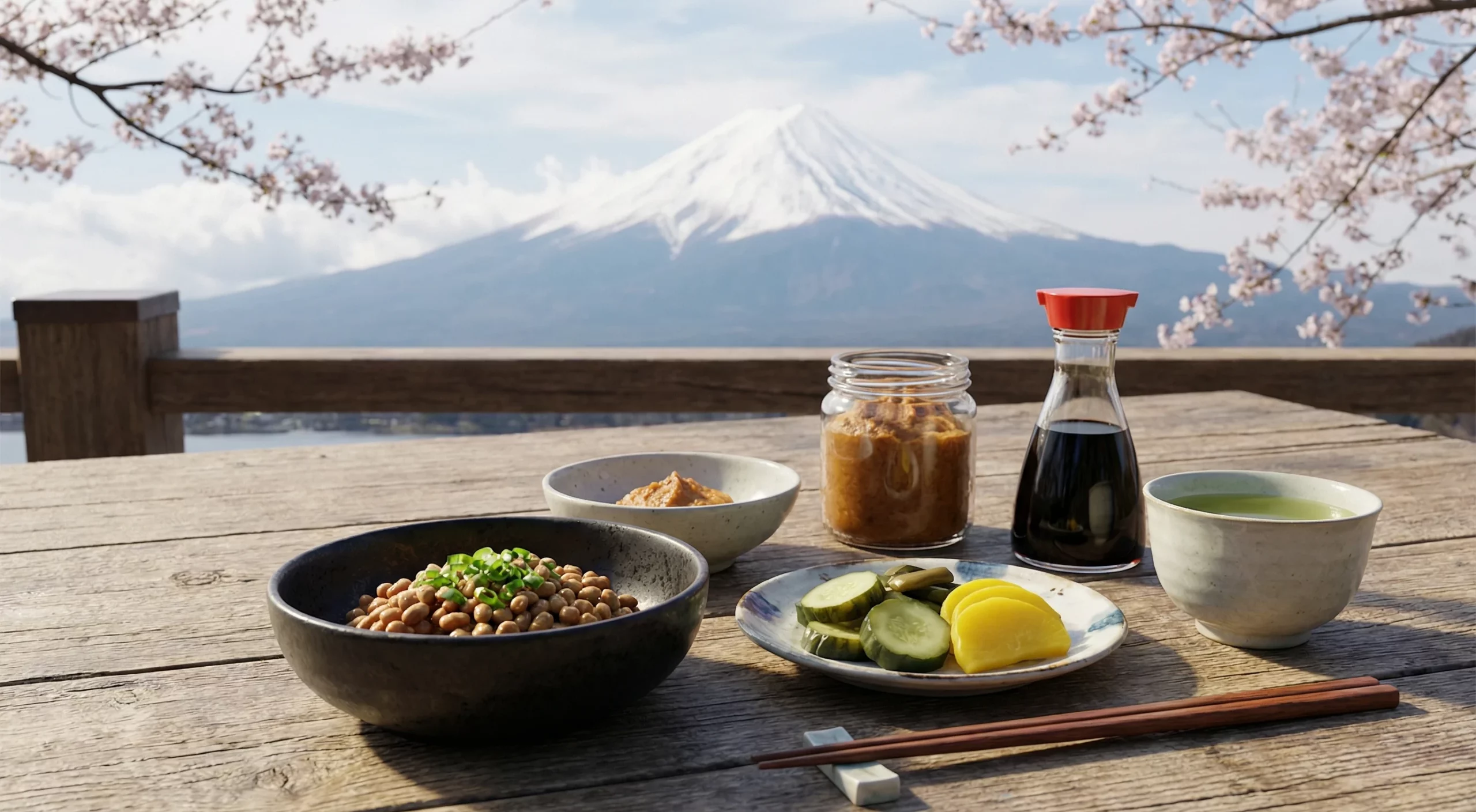
Japanese fermented foods have been part of everyday life in Japan for hundreds of years. They add bold flavors and extra health benefits to a lot of classic dishes. From the first spoonful of miso soup to the sharp tang of pickled plums, fermentation offers depth and personality that’s hard to match with other cooking techniques. If you’re curious about what makes these foods stand out, or you’re just looking for a way to add something new to your meals, getting to know the basics of Japanese fermented foods is a pretty great place to start.
Understanding Japanese Fermentation
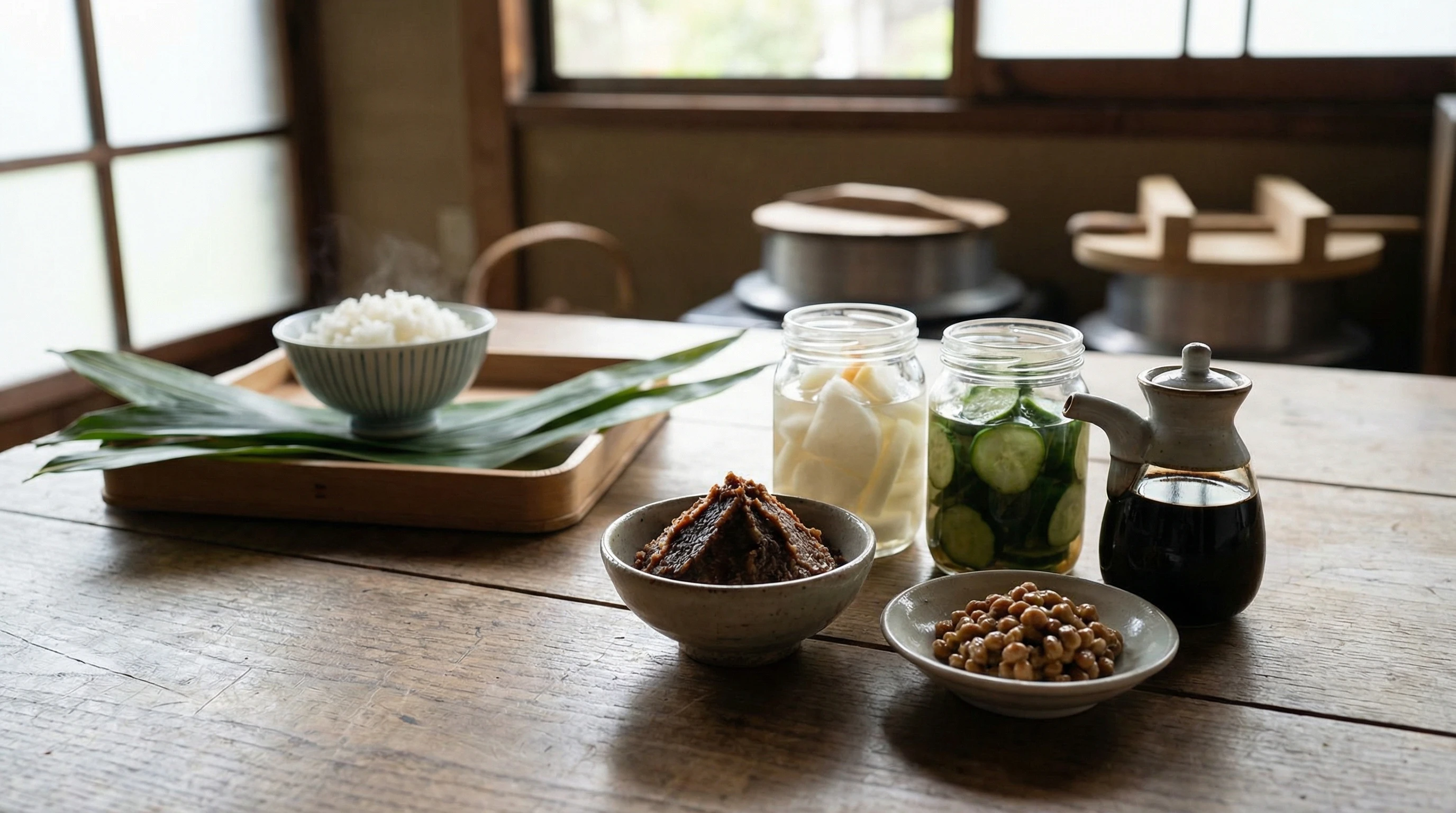
Fermentation is basically when friendly bacteria, molds, or yeasts help transform food, creating unique flavors and textures. In Japan, fermentation goes way beyond just pickling vegetables; it’s used to make staple products like soy sauce, miso, and sake. There’s some serious science behind it, but it’s also part of daily meals for families across the country.
One thing I’ve noticed after sampling a lot of Japanese fermented foods is how they connect households to tradition. For example, families might have their own miso recipe passed down for generations. Fermentation isn’t just about taste. It helps food last longer, creates umami flavors, and adds probiotics, which are microbes that could support gut health.
The art of fermentation in Japanese cooking has also sparked international interest, with people across the globe wanting to check out the unique flavors and techniques used in everyday Japanese kitchens. The methods, although simple at their core, are tuned and perfected, blending science with cultural ritual that goes back hundreds of years. Part of the magic is that fermentation lets simple ingredients like rice, soybeans, and vegetables turn into something next-level cool and full of nutrients.
Main Types of Japanese Fermented Foods
Japanese fermentation techniques can turn something simple into something truly special. These are some of the most popular fermented foods you’ll see in both supermarkets and highend restaurants.
- Miso: A thick, salty paste made by fermenting soybeans (sometimes with barley or rice) with a mold called koji. It’s super common. If you’ve ever had a bowl of miso soup, you already know what it tastes like. Miso comes in various styles, from red (stronger, saltier) to white (milder, sweeter).
- Soy Sauce (Shoyu): This is everywhere in Japanese cooking, and it’s also made with koji mold, soybeans, wheat, and salt. It’s aged and brewed for months or sometimes years to develop its savory, slightly sweet flavor.
- Natto: Fermented soybeans that get their funk from Bacillus subtilis bacteria. It’s sticky, has a stringy texture, and often splits opinions on its smell and flavor. But it’s packed with protein, vitamins, and probiotics.
- Tsukemono: A general term for Japanese pickles, which are often fermented in rice bran (nukazuke), salt (shiozuke), or miso (misozuke). You get everything from crunchy carrots to tangy cucumbers out of this, and they show up as side dishes or palate cleansers.
- Sake: Japan’s iconic rice wine is made by fermenting rice with koji mold and yeast. Sake production is a precise art, and the flavor ranges from dry and clean to rich and fruity.
- Umeboshi: Pickled plums that are salted and fermented until they become tart, salty, and intensely flavored. They’re a classic addition to rice balls or bento lunches, and some people also eat them for their supposed digestive benefits.
- Kombucha (Kombu-cha): In Japan, this is more like kelp (kombu) tea, sometimes made with lactic acid fermentation, which is a little different from the sweet, bubbly drink popular in the West.
While these are the heavy-hitters, Japan is also home to regional specialties like shio koji or amazake (a sweet non-alcoholic rice drink), both gaining popularity as interest in fermented health foods grows. Each fermented food has not only a distinct taste, but a story rooted deeply in Japanese semi-rural life, where seasonal changes and family customs shape what lands on the table.
Getting Started with Japanese Fermented Foods at Home
You don’t need much special equipment to try fermenting at home; a clean jar, some salt, and patience are pretty much the basics. If you want to dip your toes in, starting with something easy like miso soup or storebought tsukemono is a good call. For those feeling adventurous, trying to make your own miso or nukazuke at home can be a rewarding project.
Here’s a quick starter guide for making your own Japanese style pickles (nukazuke):
- Make a Rice Bran Bed: Mix rice bran with salt and a bit of water until it feels like wet sand. This “nuka bed” will be your main fermentation base.
- Add Starter Vegetables: Use vegetable scraps (like cabbage or carrots) for the first few days to develop the right bacteria.
- Pickle Fresh Veggies: Bury clean, cut vegetables (cucumber, daikon, carrot) in the nuka bed for a day or two. Check the flavor and eat when they’re as tangy as you like.
You’ll need to stir the nuka bed daily to keep it fresh and prevent mold. It takes some practice, but the results are crisp, sour, and loaded with flavor. Homemade Japanese ferments might taste a bit different from what’s in stores, but that’s also part of the charm; every batch is unique to your kitchen and even the local air.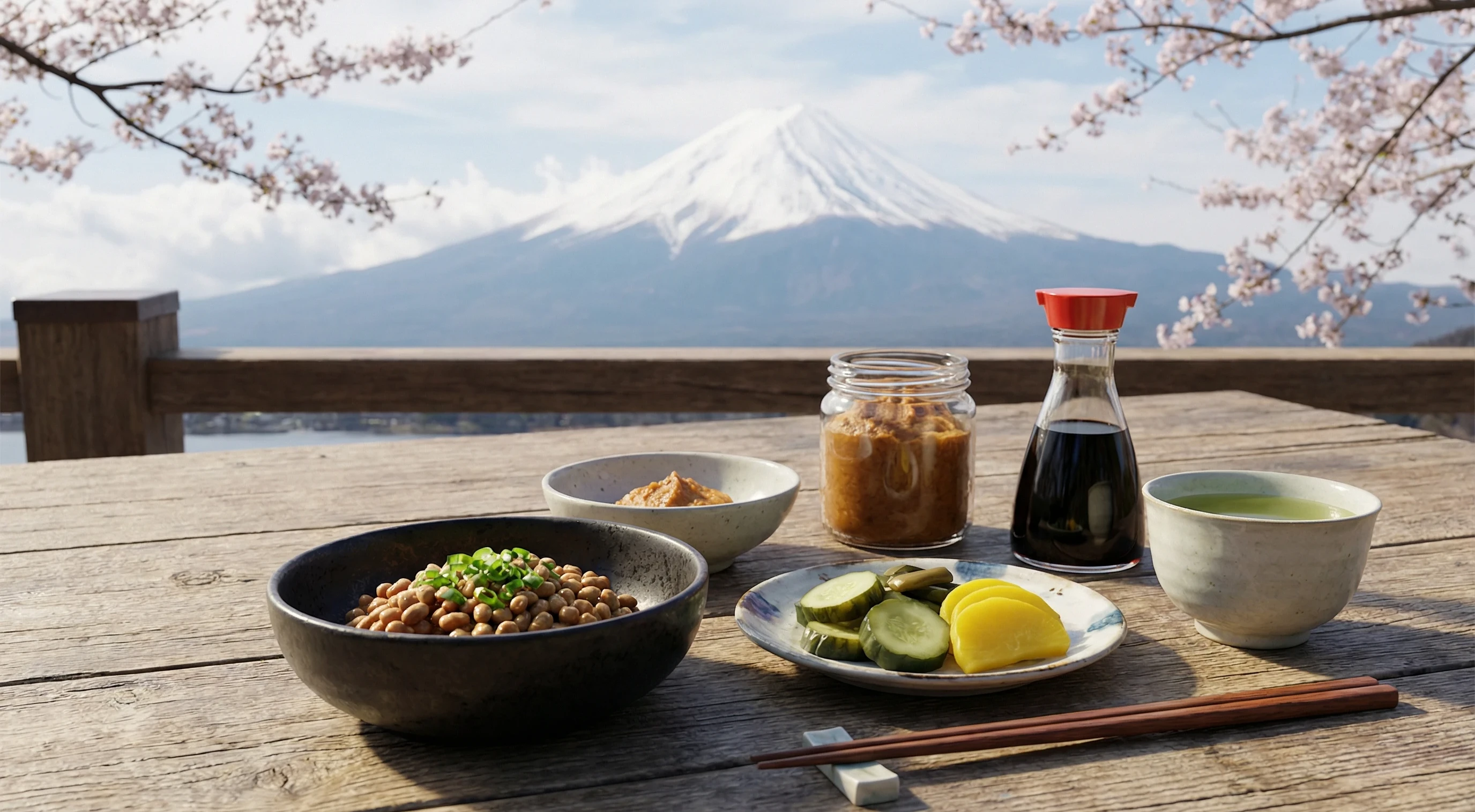
Things to Consider Before Trying Japanese Fermented Foods
Jumping into the world of Japanese fermented foods can come with a few surprises, especially for beginners. Here are a few things I wish I’d known when I first tried them:
- Strong Flavors and Unique Textures: Some, like natto or umeboshi, are pretty intense the first time. It’s worth trying small bites first or mixing them into other dishes if you’re not sure.
- Sodium Content: Traditional fermented foods like miso and pickles can be salty. People watching their salt intake should keep this in mind and choose milder varieties or smaller portions.
- Allergies: A lot of Japanese fermented foods use soy or wheat. If you have allergies, check labels (or recipes) carefully, especially with miso and soy sauce.
- Fermentation Safety: When making food at home, cleanliness is super important to avoid unwanted bacteria. Following recipes and using fresh ingredients helps ensure safe results.
Many Japanese ferments are also best eaten as part of a well-balanced meal, so you get all the benefits without overdoing any one thing. Modern Japanese meals still rely on small servings of these items, often as condiments or garnishes, making it easier to try a little at a time and find your favorites without feeling overwhelmed.
Miso Varieties and Uses
Miso comes in all sorts of colors and flavors. Shinshu miso is light and a bit sweet, while Hatcho miso is dark and has a deep, umami-packed punch. You can stir miso into soups, use it as a marinade for fish or chicken, or mix a spoonful into salad dressing for extra flavor. Some modern chefs even use miso in desserts, like cookies or caramel, to give them a unique savory twist and balance out sweetness.
Soy Sauce and Alternatives
Soy sauce is everywhere, but there are different grades (light, dark, tamari) and methods of brewing. Tamari has less wheat, which is a good option for anyone avoiding gluten. Look for naturally brewed varieties for deeper flavor. Soy sauce also comes in low-sodium versions; these can give you that classic umami kick without all the salt.
Natto and How to Eat It
Natto usually gets mixed with rice and eaten for breakfast, sometimes with green onions, mustard, or soy sauce. It can also be worked into sushi rolls or eaten with a raw egg on top. Honestly, it can take a few tries to get used to the texture and flavor, but it’s worth checking out for the health benefits. Some people add kimchi or chopped pickled veggies to ease into the strong taste and add some crunch.
Fun Ways to Add Fermented Foods to Your Meals
- Miso Soup: Beyond just mixing miso paste with dashi, try adding seasonal veggies, tofu, or even sweet potatoes for variety.
- Pickled Sides: Adding a small plate of tsukemono to ramen or grilled meat dishes brings color and a little crunch to your meal.
- Miso Marinades: Marinating fish or chicken in a mix of miso, mirin, and sake creates a juicy, flavorful main dish.
- Soy Sauce Drizzle: Using soy sauce as a finishing touch for noodles, eggs, or even roasted vegetables ties a dish together with a shot of umami.
- Natto Rice Bowl: Mixing natto with cooked rice, a hint of soy sauce, and a sprinkle of sesame seeds creates a classic Japanese comfort food. You can top natto bowls with sliced avocado, radish, or a drizzle of sesame oil for more layers of flavor and modern flair.
Another easy way to use Japanese fermented foods is to toss tsukemono into salads for zing or stir a bit of soy sauce into your favorite homemade salad dressing. Adding fermented miso to veggie dips or mixing it with honey and vinegar for a rich glaze can help you rethink what these products can do outside of traditional recipes.
Frequently Asked Questions
What are the health benefits of Japanese fermented foods?
Many of these foods have probiotics, which could help support healthy digestion. They’re also packed with vitamins, minerals, and proteins, depending on what you choose. Some, like natto, are especially noted for their vitamin K2 content, which is linked to bone and cardiovascular health. In Japan, fermented foods are often included as part of a balanced lifestyle to support overall wellness.
Are fermented foods safe to eat?
If made and stored properly, they’re safe for most people. When trying homemade ferments, using clean utensils and following tested recipes helps lower any risk. Storebought varieties are generally pasteurized or carefully controlled, making them easy to add to your meals with peace of mind.
Can I try Japanese fermented foods if I don’t like strong flavors?
Start out with milder varieties, like white miso or lightly pickled daikon, and work your way up as you get used to the flavors. Mixing small amounts into familiar dishes can let you enjoy the benefits without being overwhelmed. If a flavor is too strong at first, blending it into soups or sauces often helps make it more approachable.
Where can I buy authentic Japanese fermented foods?
Asian grocery stores and online retailers usually stock a good variety of miso, soy sauce, and tsukemono. Local farmers’ markets also sometimes carry small-batch or locally made versions. Some specialty shops even offer fresh miso or handmade pickled plums that you won’t find in regular supermarkets. Don’t be afraid to ask store staff for recommendations—they often know which products are closest to authentic Japanese tastes.
Making Japanese Fermented Foods a Part of Everyday Life
Japanese fermented foods fit easily into all kinds of meals, from quick breakfasts to fancy dinner parties. They provide a punch of flavor and interesting textures you don’t usually get from plain boiled or steamed dishes. People in Japan often say that no single meal is complete without something pickled or fermented on the table, and that’s a practice worth exploring wherever you live.
Giving these foods a shot opens up a whole world of tastes and traditions. Trying different kinds and learning a bit about how they’re made can help you feel more connected to your food and maybe even inspire you to experiment in your own kitchen. Whether you prefer classic miso soup or want to set free your own culinary creativity with homemade pickles, there’s always something new to check out in the eye catching world of Japanese fermented foods.