
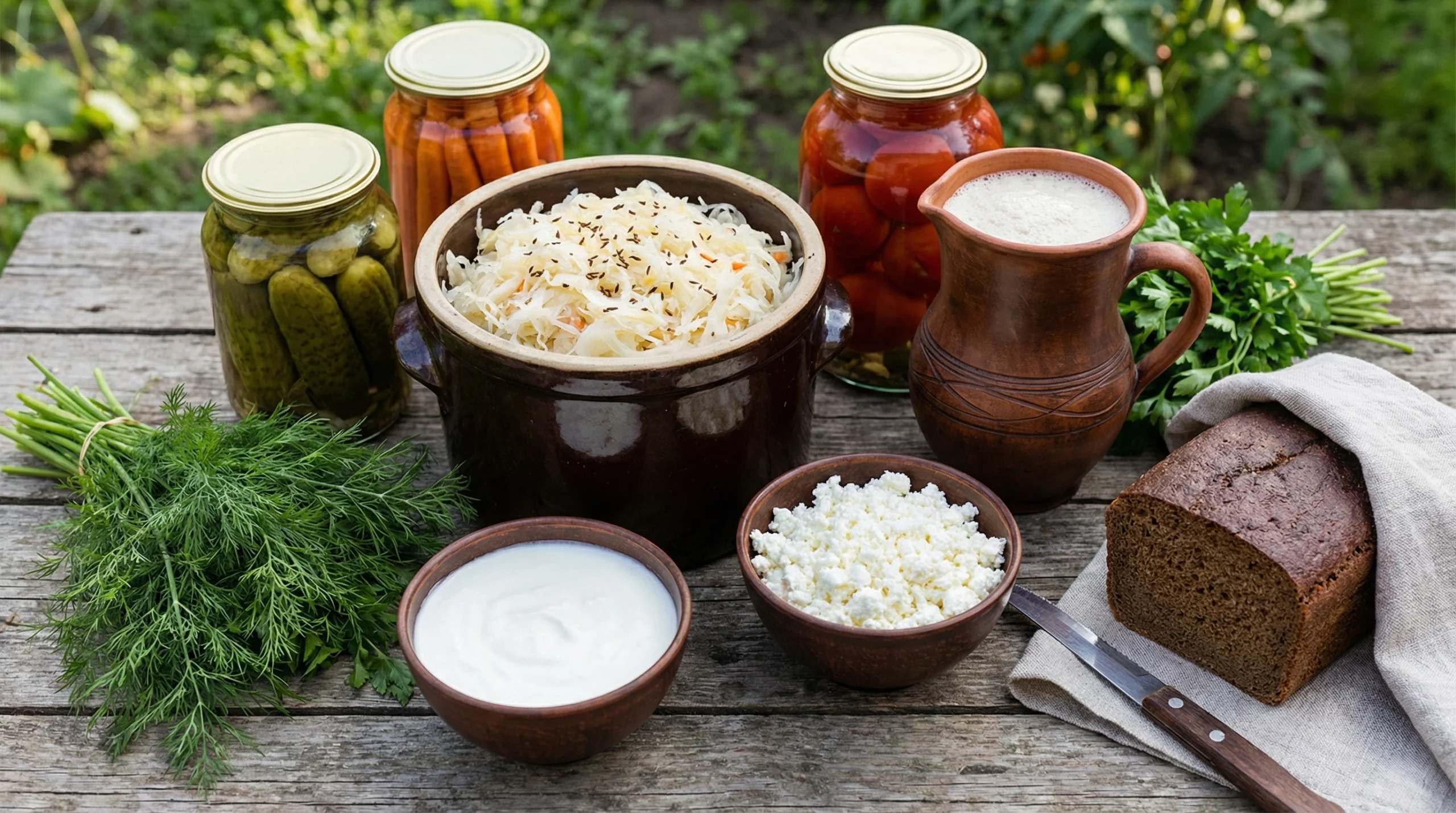
Fermented foods are a big part of daily life in Eastern Europe. These foods don’t just fill the table; they bring a sense of tradition, comfort, and even a bit of adventure with every bite. If you enjoy crunchy pickles or tangy yogurt, chances are you’re already a fan of fermentation and just didn’t realize how deeply it’s woven into the region’s food culture. Today I’m digging into how fermented foods gained such a strong place in Eastern European kitchens and what makes them so tasty and practical for everyday eating.
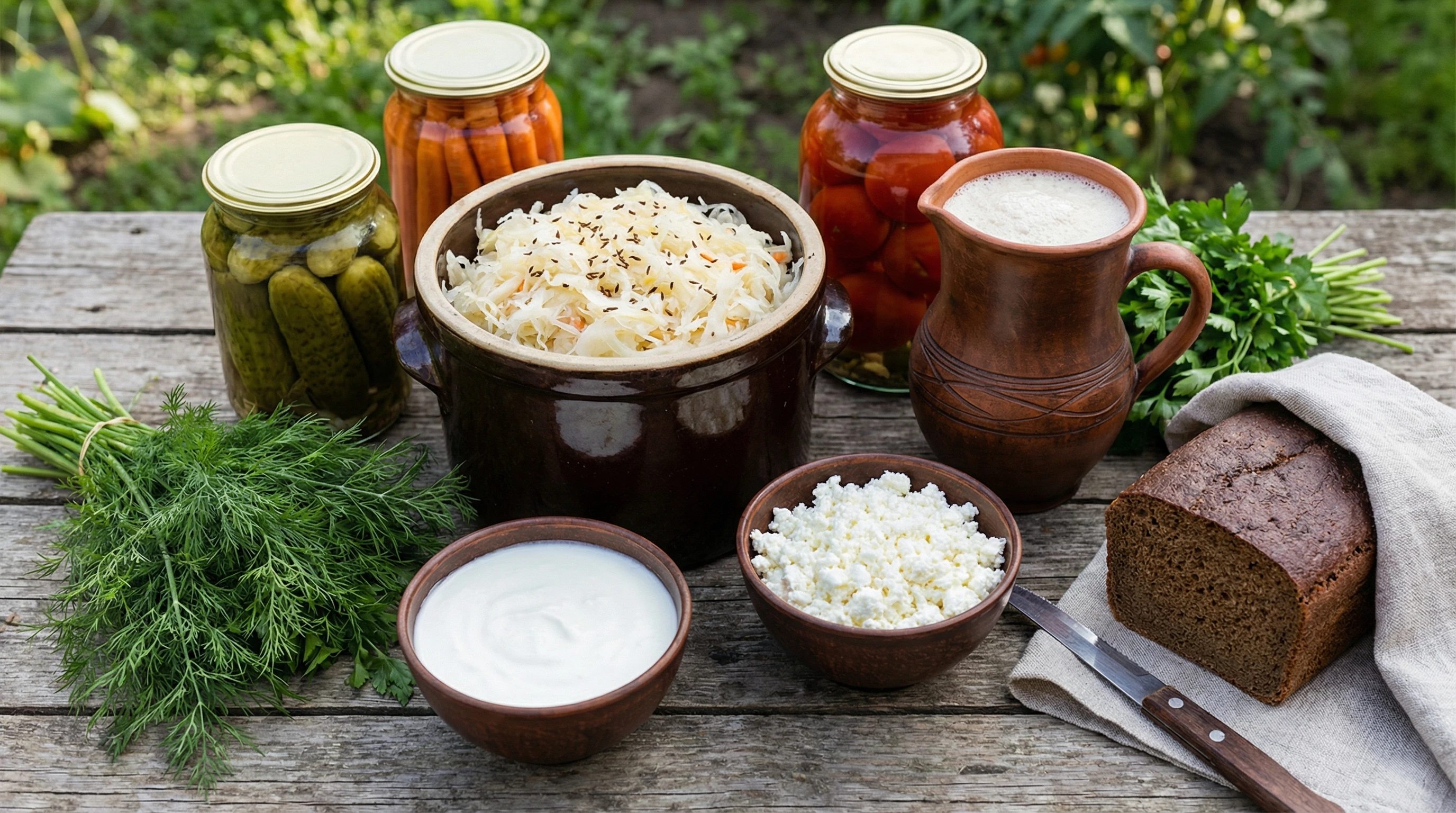
Why Fermented Foods Are So Popular in Eastern Europe
Fermentation isn’t just an old-fashioned preservation trick; it’s a source of flavor, probiotics, and even family tradition. For centuries, harsh winters made it tough to grow and store fresh ingredients in countries like Poland, Russia, Ukraine, and Romania. People turned to fermenting vegetables, dairy, and grains as a way to make the most out of short harvest seasons. Fermentation let them keep food available all year and bring bright flavors to otherwise simple meals.
Apart from being practical, fermentation brought a social aspect, too. Families gathered to pickle, brine, and ferment together each autumn. Many people still remember learning to pack sauerkraut or cucumber jars with their grandparents. That experience really adds something special to every bite.
Core Types of Eastern European Fermented Foods
Whether you’re visiting a bustling city or a quiet rural town, chances are you’ll spot at least a few of these fermented foods on the table:
- Fermented Vegetables: Sauerkraut (fermented cabbage) and pickles are the most recognizable. Both use salt brine to help friendly bacteria break down the veggies, creating that distinct sour taste.
- Dairy Ferments: Foods like kefir, ryazhenka, and sour cream are made from milk and thrive thanks to naturally present lactic acid bacteria.
- Fermented Grains: Drinks like kvass (a slightly fizzy, malty beverage made from rye bread) and fermented porridges have long traditions in many Eastern European countries.
These foods aren’t just side dishes; they’re everyday staples that work with breakfast, lunch, and dinner and show up at everything from weekday meals to festive gatherings.
Getting Started with Making Fermented Foods at Home
Jumping into homemade fermentation sounds tricky, but it’s actually pretty straightforward once you know the basics. I started out just helping my family pack cucumbers in jars every summer, and now I’ve tried everything from yogurt to beet kvass in my own kitchen. A few common terms help make sense of recipes:
- Brine: A mix of salt and water poured over vegetables to help kickstart fermentation.
- Culture: Live bacteria (like starter from a batch of yogurt or kefir) added to milk or grains to get the process going.
- Lactic Acid Fermentation: The process that makes most Eastern European ferments tangy, thanks to bacteria turning sugars into lactic acid.
Simple Steps to Start Fermenting Like an Eastern European
I found that starting with basic vegetable ferments is the best way to get a feel for the process. Here’s a simple starter checklist if you’re ready to give home fermentation a go:
- Pick the Right Vegetables: Fresh, firm cabbage, cucumbers, or beets work best. Avoid veggies that are bruised or overripe.
- Prepare Your Brine: Typical ratios are around 2-3% salt to water. Dissolve the salt fully before pouring over your vegetables.
- Pack Your Jar: Press veggies tightly into a clean jar, pour in the brine, and make sure everything stays submerged to avoid mold.
- Leave It to Ferment: Store the jar at room temperature (around 65-72°F/18-22°C) out of direct sun. Start tasting after a few days and leave it to ferment until you hit your favorite tanginess, usually 1-2 weeks.
- Store Properly: Move the jar to the fridge to slow down the process and keep your ferment crunchy and flavorful.
Don’t worry if your first try doesn’t turn out perfect; fermentation has a bit of a learning curve, but the results are worth it. Homemade sauerkraut or pickles taste way fresher than anything store bought. If you love pickles but want to step up the flavor, try adding garlic, dill, mustard seeds, or even a little chili to your batch. Adding new spices and aromatics is a fun way to mix in some variety while learning what flavors you like best. You could also experiment with using carrots, cauliflower, or green beans for flavorful twists on classic recipes.
Common Hurdles When Fermenting Foods
Like any new skill, there are a few things that can trip you up. I bumped into a couple of these when I started, so here’s a heads-up for what to watch for:
- Mold or Bad Smells: Usually happens if vegetables aren’t fully submerged. Use clean weights or leaves to keep everything under the brine.
- Slimy Texture: This can mean things got too warm or the salt ratio was off. Try adjusting temperature and saltiness next batch.
- Slow or No Fermentation: Really cold kitchens or using heavily chlorinated water can slow things down. Try filtered water and a slightly warmer spot.
- Burping Jars: Fermentation releases gases, so open jars occasionally to let pressure escape, especially with tightly sealed lids.
Tips for Troubleshooting
If things don’t go as planned, don’t stress it. Fermentation is a forgiving process, and minor issues are usually easy to fix. Clean jars, fresh ingredients, and the right amount of salt are your best friends for successful ferments every time. If you’re not sure what went wrong, check online fermentation forums for ideas, or ask someone who’s been making these foods longer. There’s a whole community of fermenters who love to share tips and tricks for success.
Why Freshness and Patience Matter
Fresh ingredients make a huge difference in fermentation. I’ve noticed that older, soggy veggies end up mushy instead of crunchy. Patience helps, too; if you rush and move the jar to the fridge too quickly, flavors don’t get as rich and complex. Waiting a few more days really pays off, and your reward is a batch that tastes next-level cool compared to anything from the grocery store.
Advanced Ways to Enjoy and Use Eastern European Ferments
Once I got comfortable with basics like sauerkraut and kefir, I wanted to try more creative options. Fermented foods aren’t just for snacking; they’re a super useful ingredient for lots of tasty dishes:
- Cooking with Sauerkraut: Add it to soups like Poland’s kapuśniak, or toss into pierogi fillings for zingy flavor.
- Pickle Juice Boost: Use brine from pickles to marinate meats, whip into salad dressings, or even sip as a cure for a tough day (it’s a popular hangover trick in Russia and Ukraine).
- Homemade Kvass: A glass of chilled kvass pairs beautifully with hearty stews or rye bread sandwiches. Try using leftover rye bread, apples, or even a handful of raisins to add a sweet and tart note unique to your household batch.
- Yogurt and Kefir Ideas: Swirl into smoothies, pour over oats, or use in cold soups like Lithuania’s šaltibarščiai (a beautiful pink beet soup). These dairy ferments are also delicious drizzled over potatoes or used in place of buttermilk for extra tang in pancakes and breads. Experiment with adding fresh fruit, honey, or a sprinkle of cinnamon for variety.
Getting creative with how you eat these ferments keeps them interesting and helps you enjoy their flavors in lots of different meals. For a unique snack, layer sauerkraut onto a slice of rye bread with smoked sausage, or use fermented beets as a topping for salads and grain bowls. The options are nearly endless when you’re willing to get into new flavor combos.
The Real-Life Benefits of Eastern European Fermented Foods
Fermented foods are everywhere in Eastern European kitchens for good reason. Besides the unique tastes, they’re packed with probiotics that help out your gut health. A bowl of traditional soup with sauerkraut or a serving of homemade kefir can support digestion and add a dose of helpful bacteria to your diet.
- Probiotic Boost: Friendly bacteria from sauerkraut or kefir help balance your gut, which plays a role in immune health and mood.
- Nutritional Value: Fermentation breaks down parts of veggies and dairy, making nutrients more available and adding vitamins like B12.
- Food Waste Reduction: Fermenting lets you save excess garden produce, reducing food waste and stretching ingredients through leaner times.
Beyond the well known health perks, these foods also bring comfort and nostalgia to the table. Sharing a jar of pickles or a dish of creamy kefir can spark conversations about family memories or meals from childhood. Fermented foods have a way of connecting generations, all while delivering bold tastes your guests will remember.
While fermented foods aren’t a cure all, having them regularly in your meals is a tasty way to support a healthy lifestyle. And because you can play with flavors and textures, it never really gets boring. There’s always something new to try, whether it’s a different vegetable, herb, or method.
Frequently Asked Questions
I get a lot of questions whenever I bring homemade pickles or kefir to a gathering. Here are a few common ones with quick, practical answers:
Question: How do I know if my fermented food is safe to eat?
Answer: If it smells pleasantly sour and looks as expected, it’s usually fine. Avoid anything with fuzzy yellow, black, or pink mold and always trust your senses.
Question: Can I use less salt or skip it for health reasons?
Answer: Salt is pretty important for keeping bad bacteria out. You can experiment with slightly lower amounts, but don’t skip it entirely unless using a specific vegetable starter with clear instructions.
Question: How long will homemade ferments last?
Answer: Most will keep in the fridge for several months, often getting more flavorful over time. If you notice a weird texture, smell, or unexpected growth, it’s safer to toss and start fresh.
Question: Do I need special equipment to start fermenting at home?
Answer: Not at all. You can use glass jars, clean kitchen towels, and a few kitchen staples like salt and filtered water. Some people like to use fermentation weights or airlock lids, but they’re not required for beginners. Start simple and add equipment as you go if you wish.
Wrapping Up: Bringing Fermented Foods to Your Table
Eastern European fermented foods mix simple ingredients with patient technique. Sauerkraut, pickles, kefir, and kvass are more than just snacks; they’re a way to experience heritage, flavor, and everyday wellness all at once. I always encourage friends to start with a small batch of something easy (maybe pickles or sauerkraut) and see how it fits into their routine. Exploring these traditional foods is a practical, affordable way to enjoy bold tastes and reap a few health perks while you’re at it. With a little practice, you’ll likely stumble upon your own family favorites and might even create recipes worth passing down, carrying the adventure of fermentation to the next generation.