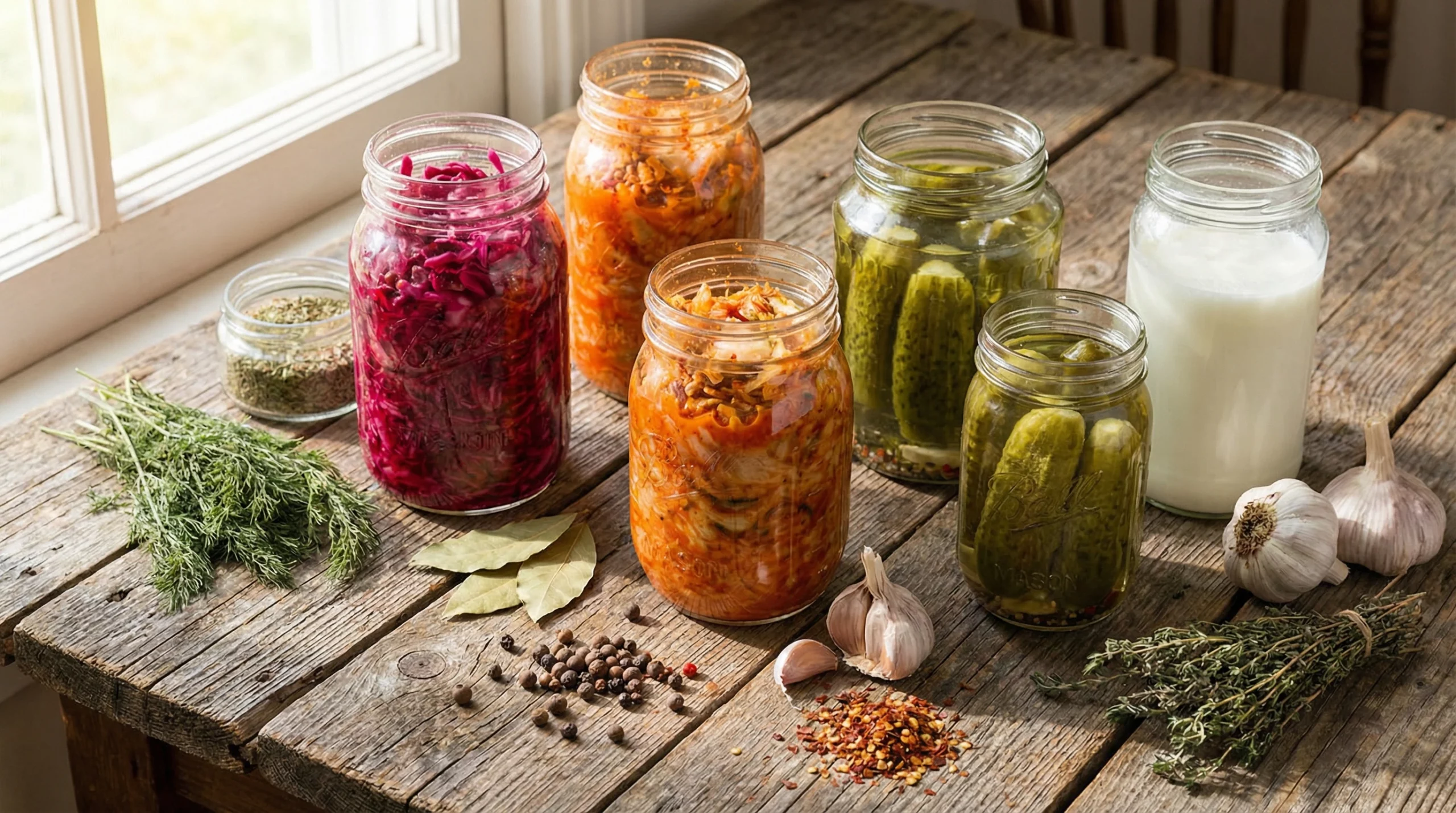
Fermented foods have been part of traditional diets around the world for ages, but recently they’ve become pretty popular with anyone interested in gut health and wholebody wellness. From tangy yogurt to zesty kimchi, fermented foods aren’t just tasty—they offer some pretty cool perks for your digestive system, immune health, nutrient absorption, and even how you feel mentally. I’ve added more fermented foods into my own meals, and I can really vouch for how much better my digestion feels. Here’s a breakdown of what makes fermented foods a smart choice and what benefits you can expect if you’re curious to try them out for yourself.
What Are Fermented Foods and How Do They Work?
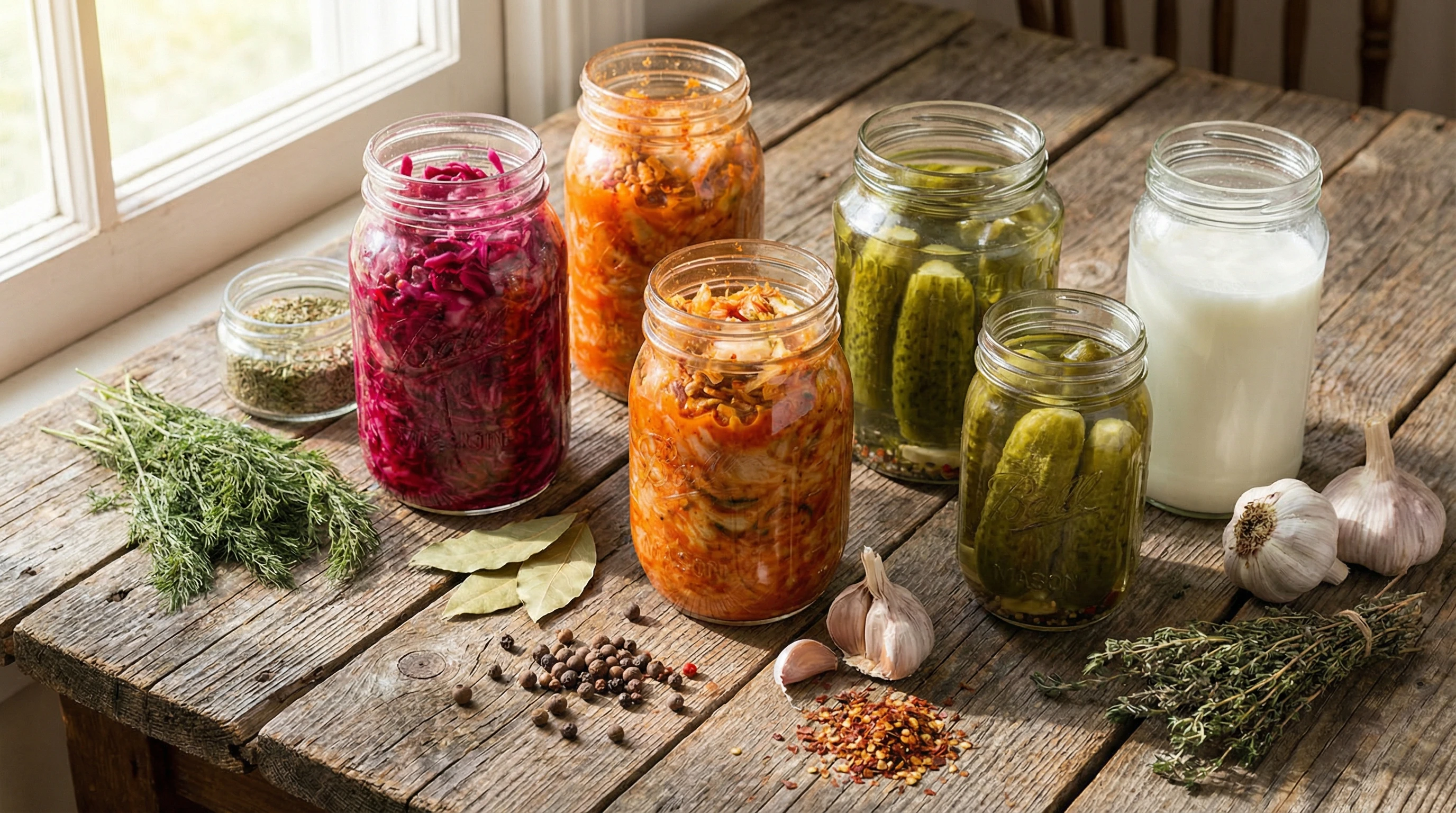
Fermentation is a food processing technique where natural bacteria, yeast, or fungi help break down the sugars and starches in food. This process creates probiotics, or “good bacteria,” that support a healthy gut. You’ll find fermented foods all over the place: sauerkraut and pickles in Germany and the US, kimchi in Korea, miso and natto in Japan, kombucha everywhere these days, and of course, classic yogurt and kefir. It doesn’t matter if it’s a bubbly drink or a crunchy side dish; if it’s naturally fermented, you’re getting live cultures along for the ride.
One thing to note is that not all pickled or sour foods are actually naturally fermented. For example, some supermarket pickles are preserved with vinegar and heat, which kills the live bacteria. If real fermentation is your goal, look for labels like “raw,” “unpasteurized,” or “contains live cultures.” You can even find small-batch brands at local farmers markets or make your own at home, so there are plenty of ways to get the benefits of the real thing.
The Probiotic Powerhouse: Why Probiotics Matter
Probiotics are super important for keeping your gut environment healthy. These live microorganisms help balance the community of bacteria in your digestive system. That balance is important for everything from breaking down food properly to helping your body fend off harmful bugs. I try to have a serving of yogurt, kimchi, or even just a spoonful of sauerkraut most days because those probiotics really do help when my digestion feels off.
Adding foods rich in probiotics can make it easier for your gut to keep things running smoothly. A 2020 review from the National Institutes of Health shows that regular consumption of probiotic-rich fermented foods can improve the balance of “good” versus “bad” bacteria in the gut, which is a key part of digestive and immune health. And if you deal with occasional stomach discomfort or want to support your body’s defenses, making fermented foods a habit is a simple step with a lot of upside.
Improving Gut Health with Fermented Foods
Gut health isn’t just about avoiding tummy trouble. A healthy gut helps your whole body function at its best. When you eat fermented foods, you’re sending live bacteria right where they’re needed: your digestive tract. These microbes help keep your gut lining strong, support smooth digestion, and help prevent bloating or that heavy feeling you get sometimes after a big meal.
People with issues like IBS often notice fewer symptoms when they regularly include fermented foods. If you’ve ever felt sluggish or noticed irregular digestion, swapping in some kimchi with lunch or sipping on kombucha in the afternoon can help. Just keep an eye out for added sugar in things like flavored yogurts or drinks. Plain, fullfat, and lowsugar options give you more health perks without the extra sweet stuff. You may also notice more regularity and just feel lighter overall when you consistently stick with these foods.
Stepping Up Nutrient Absorption
Fermentation doesn’t just boost the flavor, it also makes nutrients more available for your body. That means you can get more vitamins and minerals from every bite. For example, the fermentation of cabbage into sauerkraut or kimchi increases its vitamin C and K content and helps your gut absorb these nutrients better than if you ate raw cabbage.
Fermented dairy products like kefir and yogurt are pretty handy if you’re lactose intolerant. During fermentation, bacteria break down much of the lactose, so these foods are often easier to digest and less likely to cause discomfort. Plus, B vitamins—especially B12 and folic acid—become easier to absorb after fermentation. It’s a really practical way to fill nutritional gaps without supplements. If you struggle to get enough nutrients from raw veggies or grains, give fermented options a try and see how your body responds.
By including fermented foods in your meals, you’re essentially giving your body a head start on digesting and pulling out the good stuff, since the bacteria have already done some of the work for you. This can be especially helpful if you have a sensitive digestive system or dietary restrictions that make nutrient absorption tougher.
Strong Immune System Support
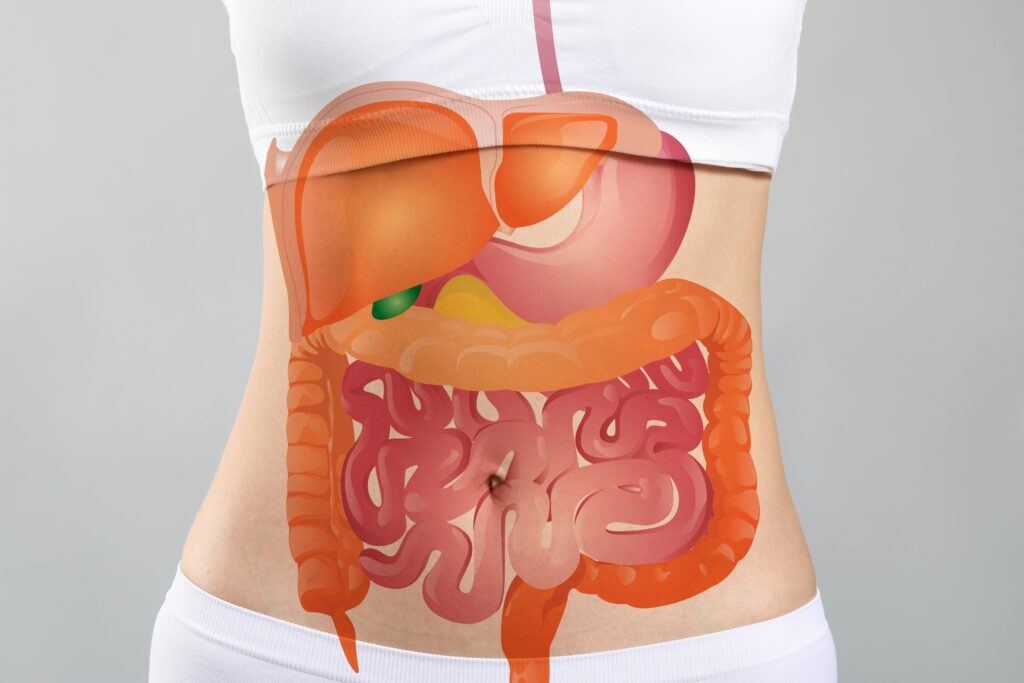
What happens in your gut doesn’t stay in your gut. Around 70% of your immune system lives there, which means your digestive health and immune health are tightly linked. Fermented foods help support a diverse mix of microbes in your gut, giving your immune cells more of what they need to keep you feeling your best.
Several studies suggest probiotics can reduce the risk of catching a cold or speed up your recovery time if you do get sick. They also help fine-tune your immune response by supporting your body’s ability to fight off infections without overreacting—something that matters for allergies or autoimmune problems. If I’m heading into flu season, I make sure to get a little extra yogurt or tempeh for that added immune boost. Fermented foods give your immune system the variety of bacteria it needs to recognize threats and respond effectively. It’s like adding more tools to your body’s toolbox.
Reducing Risk of Chronic Disease
Eating a variety of fermented foods on a regular basis is linked to lower chances of developing certain chronic issues, including heart disease, type 2 diabetes, and some types of cancer. The good bacteria produced during fermentation reduce inflammation in the body. Ongoing inflammation is one of the factors behind chronic illness, so including these foods can help tone down that risk.
Korean researchers, for instance, found that eating kimchi regularly is related to better heart health and lower cholesterol. Fermented dairy foods are also tied to lower blood pressure, and antiinflammatory benefits of probiotic foods show up in studies on everything from obesity to autoimmune conditions. Even for people with a family history of these conditions, adding more fermented foods gives you an extra layer of support and peace of mind.
Including a mix of foods such as kimchi, miso, tempeh, and kombucha lets you cover a spectrum of beneficial bacteria. This variety supports not just gut health, but heart, metabolic, and immune wellness over time. It doesn’t have to take a lot; just adding a serving here and there each week can make a real difference in longterm well-being.
Better Mental Well-Being: The Gut-Brain Connection
Your gut and your brain talk to each other constantly. This “gutbrain axis” is a big reason why improving gut health can also improve how you feel emotionally and mentally. People who eat more fermented foods often report feeling less stressed, and there’s some pretty solid research to support why.
Probiotics have been studied for their role in making and regulating feelgood brain chemicals like serotonin. If you’re feeling anxious or just want to boost your mood naturally, adding a serving or two of fermented food to your daily routine can help. Some studies show lower levels of anxiety and depressive symptoms in people who regularly eat things like yogurt, kombucha, or miso soup.
Aside from reducing stress, having better gut health can lead to clearer thinking, fewer mood swings, and even improved sleep. Since inflammation and gut health are connected, keeping your gut in top shape may be one of the best natural ways to support your mental health too.
Real-World Tips for Adding Fermented Foods to Your Diet
- Start Small: If you’re new to fermented foods, try a single serving at a time to see how your gut feels. Too much too soon can lead to a little extra gassiness or bloating until your gut adjusts.
- Mix It Up: Variety is helpful. Sauerkraut on sandwiches, kimchi as a dinner side, kefir in your morning smoothie, miso stirred into soup, or even tempeh sliced into a stirfry; these are easy swaps.
- Read Labels: Look for “unpasteurized” or “contains live cultures” to be sure you’re actually getting probiotics.
- Watch the Sodium: Some fermented foods, especially storebought ones like pickles or miso, can be high in salt. Just balance your choices and drink plenty of water.
- DIY Fermentation: Making your own sauerkraut or yogurt is pretty simple and a lot more budget friendly. There are tons of free resources and videos online if you want to try it out at home.
- Try New Things: If you find one type of fermented food isn’t your favorite, don’t give up. There are so many choices—from fizzy kombucha to spicy kimchi and beyond—you’re likely to track down something that clicks with your taste buds.
Swapping out just one regular side dish or snack for a fermented option is a simple start. You might notice your digestion improves, you feel more energized, or your skin even looks clearer. Even just adding a spoonful of sauerkraut to a salad or trying homemade yogurt for breakfast a few days a week can get you started on the right foot. Slowly build up a mix of foods and see what feels best for your body.
Frequently Asked Questions
Are all fermented foods probiotic?
Not every fermented food has live probiotics when you buy it. Some are pasteurized or processed after fermentation, which kills off the beneficial bacteria. Check the packaging for terms like “live cultures” or “unpasteurized” for the probiotic benefits.
Can I eat fermented foods if I have a sensitive stomach?
Most people tolerate fermented foods really well, but going slow when you first start helps. If you have specific digestive conditions or take immunesuppressing medications, check with a doctor or dietitian first.
Is it possible to get too much of a good thing?
It’s not common, but eating tons of fermented foods all at once could cause bloating or minor digestive upset as your gut adjusts. Moderation is generally best; one or two servings a day is enough for most people.
Final Thoughts
Adding fermented foods to your routine is one of those changes that pays off in noticeable ways. From helping your gut and immune system stay healthy to making nutrients easier to absorb and boosting your mood, these foods have a lot going for them. You don’t need to overhaul your diet overnight. Just a small, regular serving can make a difference. Trying out a mix of storebought and homemade options lets you figure out what you like best and stay on top of your wellbeing at the same time. Here’s to feeling good—inside and out!