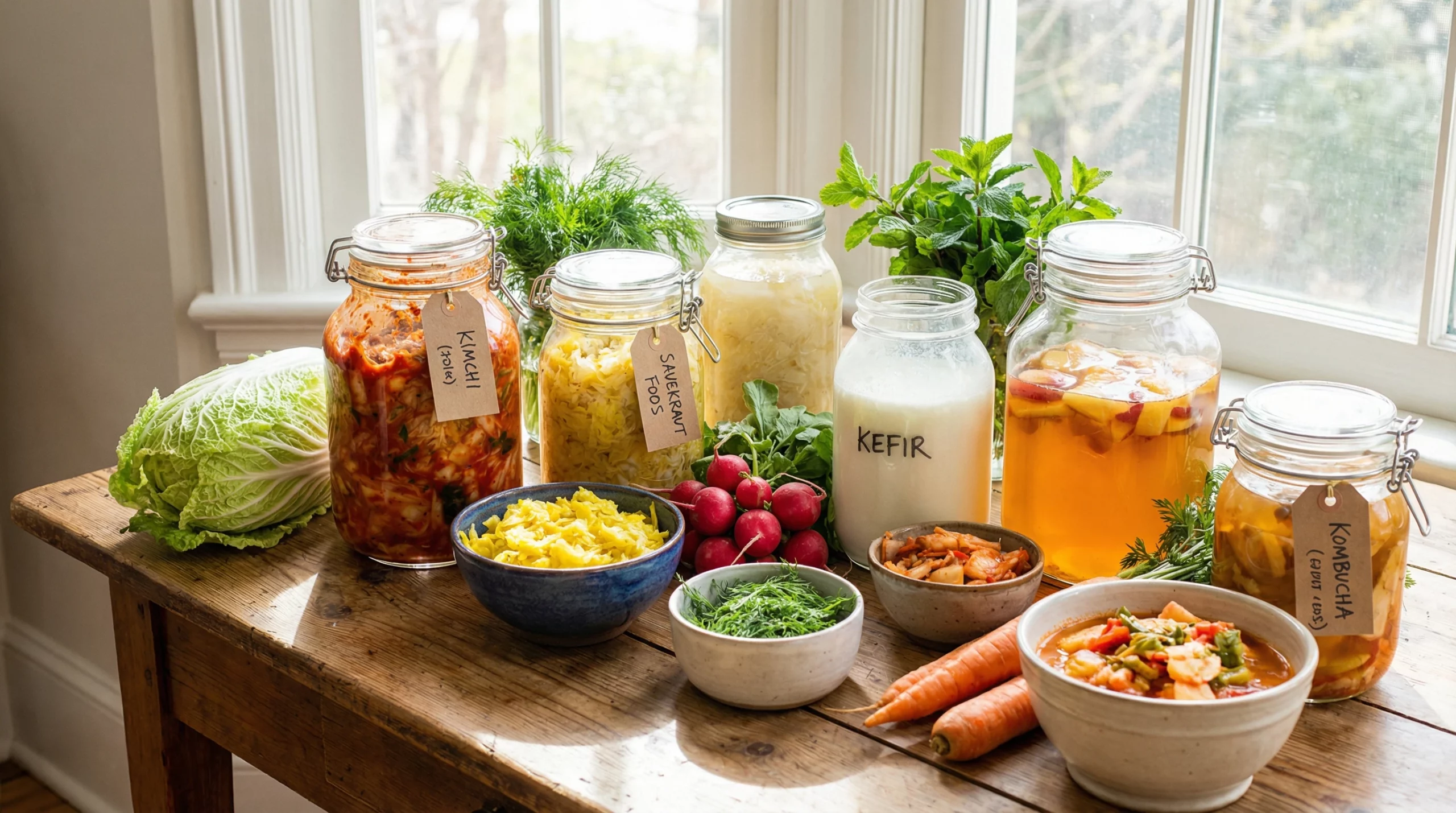
Fermented foods have taken a front seat in the world of wellness these days. It’s not just about pickles or sauerkraut anymore; there’s a whole range of tangy, fizzy, and even sweet options that do more than just please your taste buds. If you’re looking for natural ways to support detoxification and set yourself up for long-term health, adding fermented foods to your routine is pretty handy. I’ll walk you through the basics, offer some real-life tips, and help you figure out the perks of these delicious powerhouses.
How Fermented Foods Support Detoxification and Longevity
Fermentation is a process where natural bacteria or yeasts break down food’s sugars and starches. This doesn’t just preserve the food; it also creates beneficial bacteria, known as probiotics, which support digestion, the immune system, and even mental well-being. The link between gut health and the rest of the body is pretty strong. You could say your gut is kind of like your health control center. Including fermented foods in your diet is a practical way to support everyday detox pathways and encourage overall longevity.
Many traditional cultures relied on fermentation not just for taste, but for staying healthy when refrigeration wasn’t available. These days, the popularity comes down to more than tradition: piles of research connect gut health with improved detoxification and healthy aging (NCBI). The result? Fermented foods have secured a steady spot as a wellness staple that continues to trend upward.
A Beginner’s Guide: Types of Fermented Foods to Start With
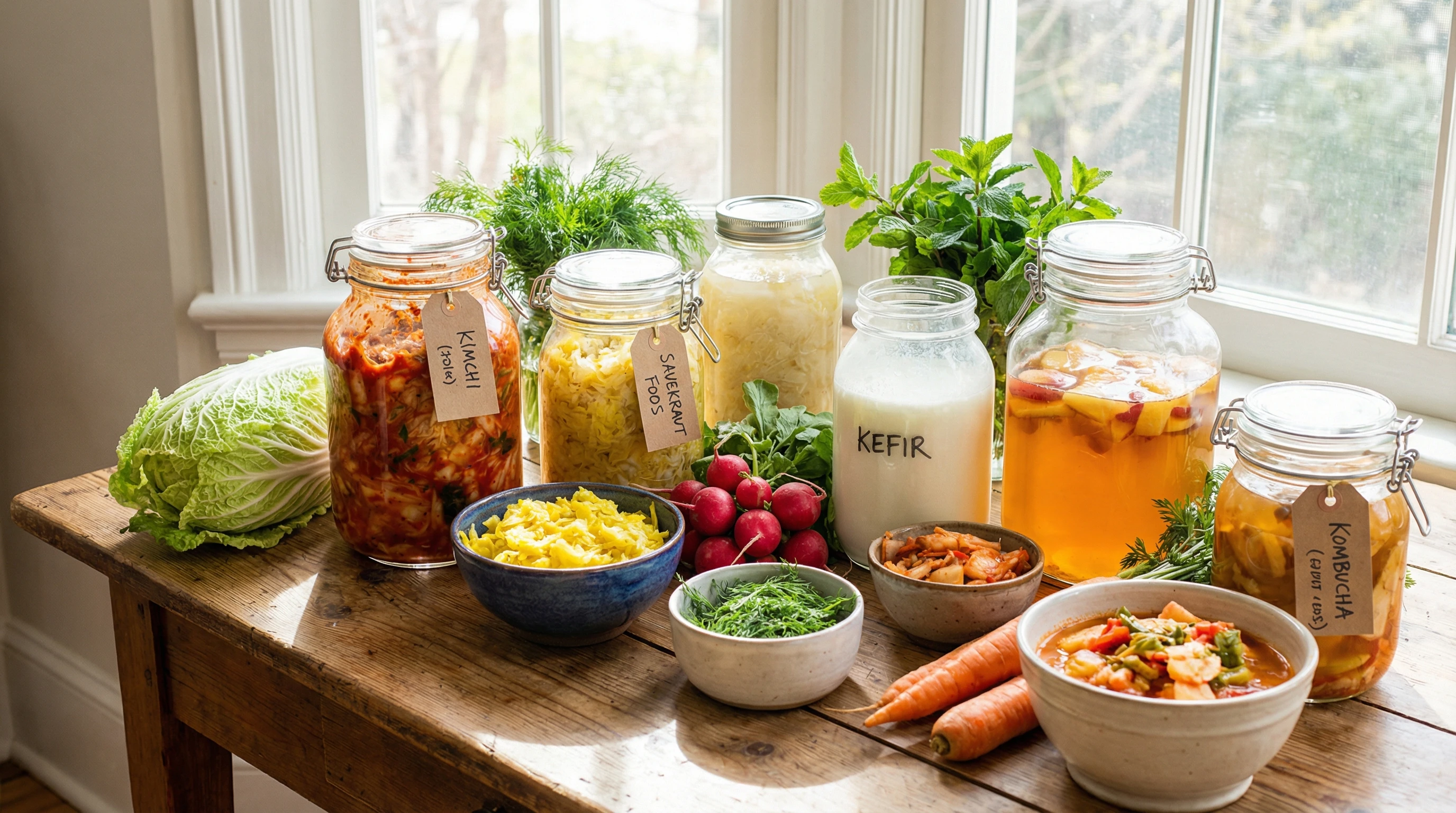
If you’re new to fermented foods, the choices can be a bit overwhelming. Some have pretty bold flavors, while others are mild and easy to love. Here’s a rundown of beginnerfriendly fermented foods that are easy to find and simple to work into your meals:
- Yogurt: Rich in probiotics and available in both dairy and plantbased forms. Just make sure you stick with the ones labeled “live and active cultures.”
- Kefir: A tangy, drinkable dairy (or coconut) product. It’s loaded with a wider variety of good bacteria than most yogurts.
- Sauerkraut: Fermented cabbage that brings a crunchy and sour twist to sandwiches or salads. Choose the unpasteurized kind from the fridge section for live cultures.
- Kimchi: A Korean staple, usually spicy, made from cabbage and other veggies. Great as a side or in rice bowls.
- Kombucha: A lightly sparkling fermented tea, available in lots of flavors. It’s a fun drink if you’re trying to cut down on soda.
- Miso: A paste made from fermented soybeans, this adds a hearty umami flavor to soups or dressings.
- Tempeh: Fermented soy pressed into a firm cake. It’s a proteinrich, nuttytasting alternative to meat or tofu.
Most storebought options are ready to go, but if you enjoy a kitchen project, home fermenting veggies is simple and cheaper in the long run.
Fermentation Makes Nutrients Easier to Absorb
One cool perk of fermentation is how it predigests food for you. The bacteria break down hard to digest components, which means you’re likely to get more vitamins and minerals from the same foods. For example, fermented vegetables like cabbage or carrots will be easier on your digestive system than their raw counterparts. Fermentation can also boost levels of some vitamins (especially certain B vitamins and vitamin K) along with producing helpful enzymes.
People who eat a variety of fermented foods tend to have more balanced gut bacteria, which play a really important role in keeping the body’s detox pathways running smoothly. The beneficial microbes help break down toxins and byproducts in your digestive tract, reducing the load on your liver and kidneys (Healthline).
Simple Ways to Add Fermented Foods to Your Routine
Jumping into a gut friendly diet doesn’t have to mean a complete fridge overhaul. Here are a few ways I make fermented foods a regular part of my day without making it feel like a chore:
- Add yogurt or kefir to your breakfast: I like pouring kefir into smoothies or topping oatmeal with a scoop of plain yogurt and some fresh fruit.
- Swap ordinary condiments for fermented ones: Use kimchi or sauerkraut on burgers, tacos, or grain bowls. They add flavor and crunch.
- Stir miso into soups and sauces: A spoonful of miso paste dissolves easily in hot water for a quick soup base.
- Enjoy kombucha as a refreshing drink: I’ll grab a bottle in place of juices or sodas. Just check the sugar content if you’re watching your intake.
- Crumble tempeh into stir fries or salads: Brown it in a skillet and add herbs or spices.
Consistency is more important than quantity; even a small amount added daily makes a difference over time. If you already eat a balanced diet, adding a spoon of sauerkraut or a drink of kefir can give your wellness an extra nudge. For those who love to experiment, making your own ferments can be a satisfying, cost-effective adventure!
What to Know Before Jumping In
Jumping into fermented foods is exciting, but a few questions and potential roadblocks come up for first-timers:
- Salt Content: Fermented veggies rely on salt, which can be a lot for anyone on a lowsodium diet. Rinsing before eating helps, or try smaller portions.
- Sugar in StoreBought Options: Some commercial products, especially kombucha and yogurt, can be loaded with sugar. Read labels and look for unsweetened or lightly sweetened versions.
- Digestive Transition: If you’re new to fermented foods, start slow. You might notice a bit of gas or bloating as your gut bacteria switch up. This usually passes after a week or two.
- Pasteurization: Highheat processing kills off the good bacteria, so stick with unpasteurized, refrigerated options if you want probiotic benefits.
Yogurt & Kefir
Yogurt and kefir are among the most accessible sources of probiotics. They come in lots of flavors and are great in breakfast parfaits, dressings, or just straight from the container. I usually go for unflavored, fullfat options to avoid extra sugar and odd fillers. Some local dairy farms offer freshly made yogurt, which often delivers a richer taste as well.
Sauerkraut & Kimchi
The bold flavors make these ideal toppings for sandwiches, tacos, or as a side dish for roasted meats or fish. Making sauerkraut at home only takes shredded cabbage, salt, a jar, and a little patience. You can also add spices or carrots for some variety.
Kombucha
Kombucha is tart, slightly fizzy, and ranges from mild to pretty punchy, depending on how it’s made. You’ll find loads of flavors on store shelves; just note that home brewing requires careful handling to avoid contamination. For those sensitive to caffeine, always check the tea base used.
Miso & Tempeh
Miso is super versatile. I mix it into soups, marinades, and salad dressings. Tempeh is more textured than tofu, so it makes a great meat alternative in vegetable stir fries. Both are staples in plantbased kitchens and offer plantbased protein that’s easy to use every day.
More Benefits: Immunity, Mood, and Skin
Eating fermented foods regularly supports immune function by feeding the gut’s beneficial bacteria. A healthy gut has been linked with stronger immunity and toned-down inflammation throughout the body (Frontiers in Immunology). There’s even evidence that gut bacteria play a big role in mood (thanks to the gut-brain axis) and clearer skin, thanks to lower inflammation levels.
- Immunity: A balanced microbiome strengthens immune defense and can ease up overreactive inflammation.
- Mood: More than 90% of serotonin is produced in the gut. Healthy bacteria support steady moods and better stress response.
- Skin: Some studies show diets rich in probiotics can improve certain skin conditions like acne or eczema. While more research is needed, many people report a noticeable difference after a few months of eating more live cultures.
Frequently Asked Questions
Here are a few questions I often get from readers about fermented foods, detoxification, and longevity:
Question: Are all fermented foods probiotic?
Answer: Not quite. Only those made with live cultures and not heat-treated afterward contain probiotics. Pick items like refrigerated sauerkraut, kimchi, and plain yogurt labeled with “live and active cultures.”
Question: Can fermented foods replace a probiotic supplement?
Answer: For everyday wellness, a variety of fermented foods usually offers enough beneficial bacteria. However, people with specific health needs sometimes benefit from targeted supplements; always check with a healthcare provider if that’s your case.
Question: Are there risks with homemade fermented foods?
Answer: Homemade ferments are safe if you follow clean methods and use good ingredients. If anything smells wildly off or develops unusual colors, it’s safer to discard it and start fresh.
Key Takeaways: Small Steps, Big Benefits
Bringing more fermented foods into your diet is a simple, flavorful, and affordable way to give a boost to detoxification and set yourself up for healthy aging. The live cultures found in fermented foods help balance your gut, support your body in flushing out toxins, and give you extra nutrients. Whether you grab some kefir at the store or make your own kimchi at home, these foods offer plenty of options for all tastes and lifestyles.
Try a few, mix them into meals you already love, and see how your energy, digestion, and mood respond. If there’s one thing I’ve learned, it’s that these tasty foods are worth having in my kitchen year round.