
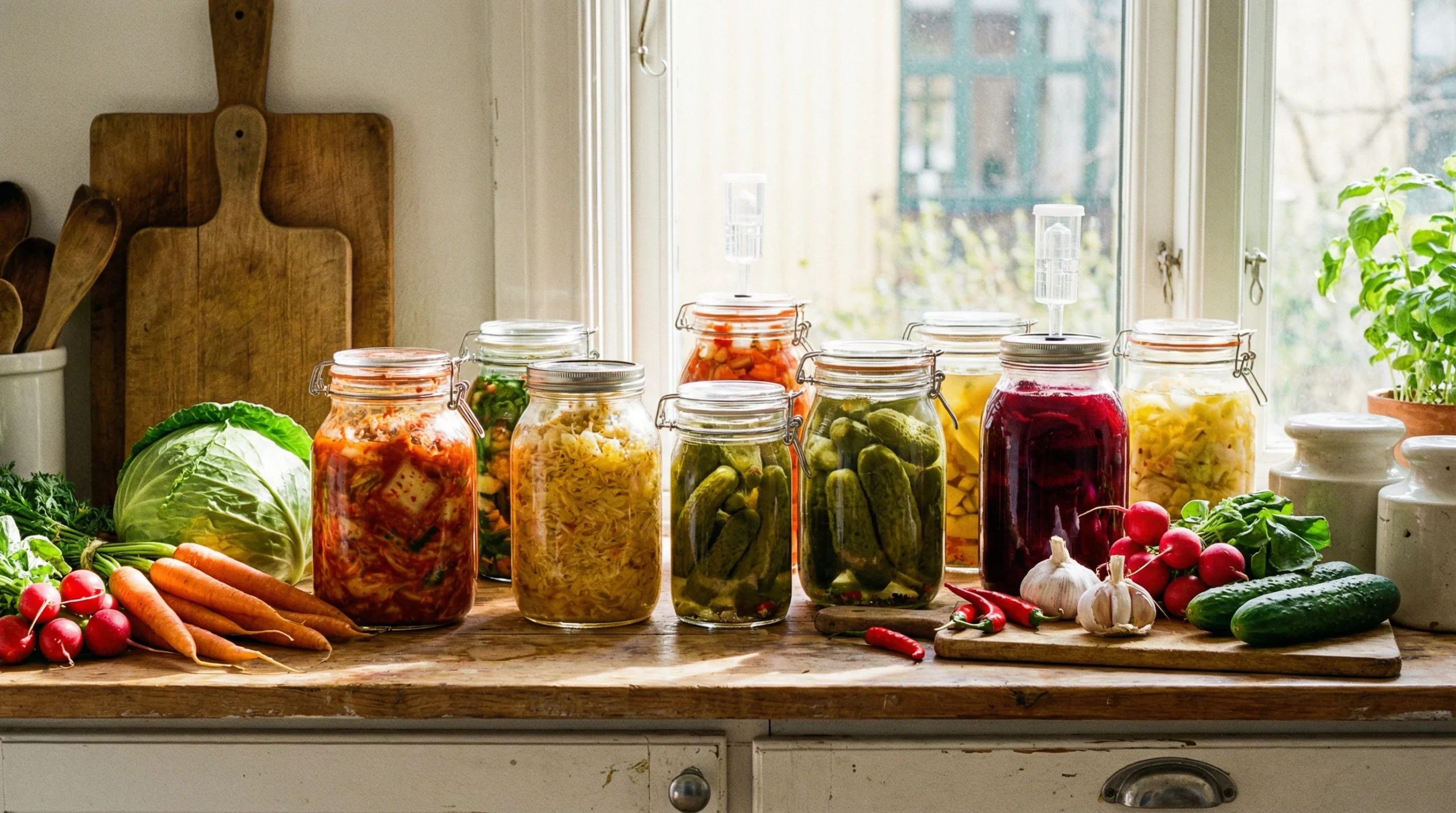
Fermenting foods at home is a fun way to add more flavor and nutrition to your diet while connecting with traditional food making techniques. I find the process super rewarding, and since it involves bacteria, fungi, and sometimes wild yeasts, safety is something I always keep in mind. Following some basic food safety tips helps anyone—from new fermenters to seasoned pros—avoid unwanted surprises and enjoy delicious results every time.
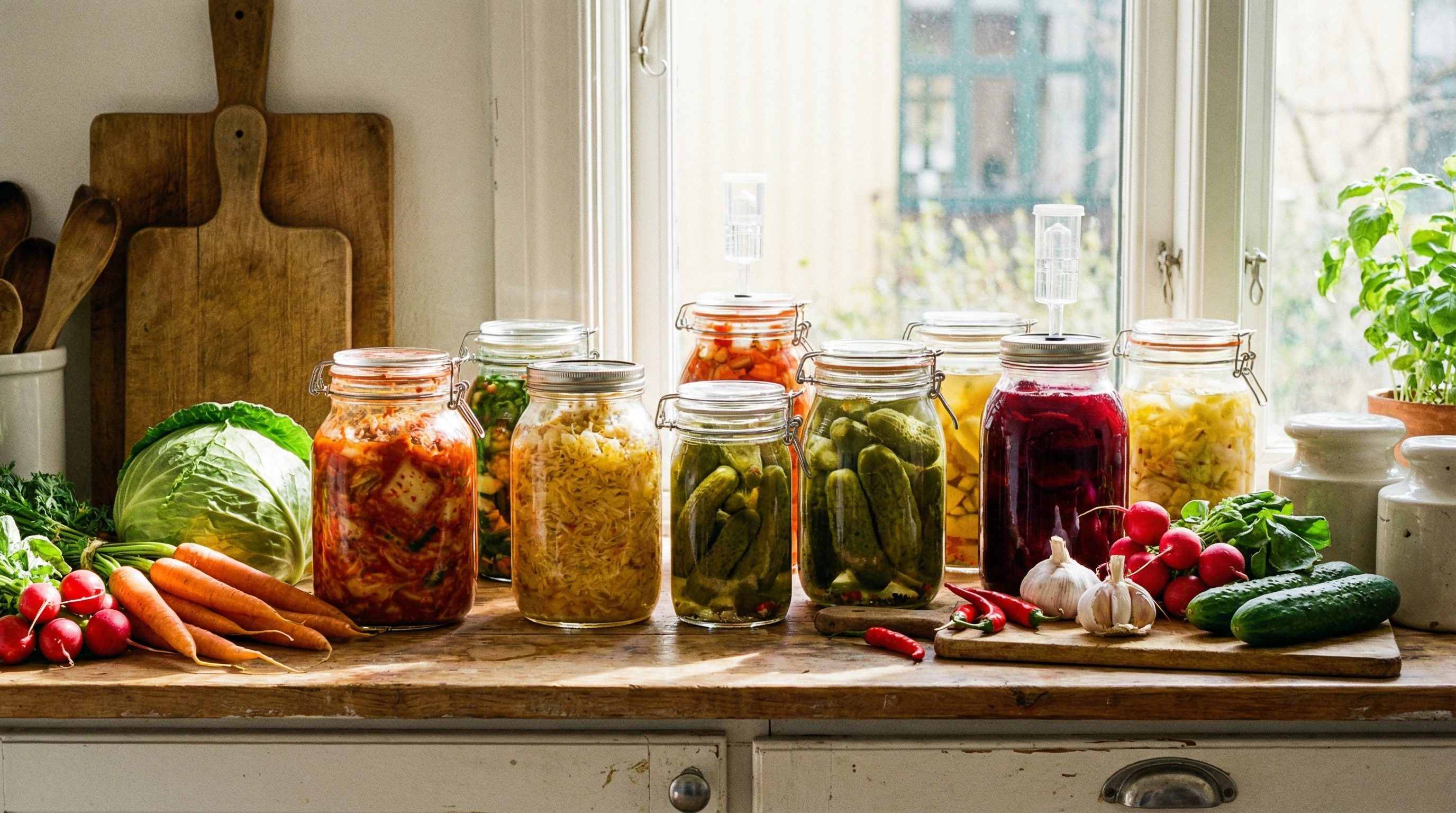
Core Principles of Fermentation Safety
Understanding a few simple rules really sets the stage for safe and hassle free fermentation. The basic idea is to create an environment where good microbes can do their thing, while harmful ones are outcompeted and kept at bay.
Fermentation is all about letting beneficial microbes like lactic acid bacteria, wild yeasts, or mold (depending on the food) grow under just the right conditions. Most of the time this means a salty, low oxygen environment. Problems usually pop up when conditions are off, or when cleanliness slips.
Getting Started: Cleanliness is Key
Before chopping veggies or mixing brine, I always pay extra attention to how clean my workspace and tools are. This helps make sure only the good microbes are in play.
- Wash your hands: Sounds simple, but it’s super important. Soap and warm water before and after handling food is the way to go.
- Scrub jars, containers, lids, and weights: Even if you’re reusing jars, give everything a good wash with hot soapy water. I like to rinse with boiling water or run things through the dishwasher just to be thorough.
- Use clean towels or air dry: Microfiber or cotton towels work, but air drying on a clean rack also gets the job done.
Choosing the Best Ingredients for Safe Fermentation
Good fermentation starts with fresh, high quality ingredients. I stick to organic or locally grown produce when possible. Wilting, moldy, or bruised veggies might bring in unwanted microbes that can mess with the process.
- Check produce for blemishes: Get rid of any soft, slimy, or moldy spots before using.
- Use quality salt: Non iodized salt (like sea salt or kosher salt) works better because additives in table salt can slow fermentation.
- Filtered water is worth it: If your tap water is heavily chlorinated, it might hold your ferment back, so I go for filtered or dechlorinated water.
Understanding the Right Environment
Fermentation depends on the right combo of salt, moisture, and temperature. Getting these basics right pretty much guarantees a smoother experience.
- Salt ratio: Most veggie ferments do best at 2-3% salt by weight (about 1–1.5 tablespoons per quart of water). Too little salt can lead to mushy veggies or spoilage, but too much will slow the good bacteria down.
- Keep food submerged: Oxygen lets mold grow, so I always use a fermentation weight, smaller jar, or even a rolled up cabbage leaf to make sure everything stays under the brine.
- Temperature: Most room temperature ferments do great at 65–75°F (18–24°C). Too warm makes things get funky fast; too cool slows everything down and sometimes leads to soggy veggies.
Preventing Mold and Spoilage
Mold and surface yeast can happen, but there are plenty of easy ways to keep them at bay.
- Cover but don’t seal tight: Ferments need to breathe while keeping most air out. I use a loose lid, fermentation airlock, or just a piece of cloth with a rubber band for the job.
- Regular checks: Take a look every day or two. Skim off any surface yeast (harmless) or mold (usually fuzzy, blue, black, or pink; toss it if you see this!).
- Don’t overstuff jars: Room at the top leaves space for bubbling brine. Otherwise, overflows can cause a mess and attract unwelcome bugs or mold.
- Store finished ferments in the fridge: Once things taste the way I like, moving jars to the fridge slows fermentation and helps preserve flavor and texture.
Common Pitfalls and How to Avoid Them
Every fermenter runs into bumps along the way. I’ve seen most of the classics, so here are a few tips for sidestepping common issues.
- Mushy veggies: Usually comes from too little salt, using water that’s too hot, or fermenting in a warm area. Stick to cold brine and the right salt amount, and keep things cool.
- Pink, yeasty, or foul smells: If something smells rotten (not just sour, which is fine), trust your nose and skip eating it.
- Excessive fizzing, scummy brine, or bulging lids: This is often fermentation doing its thing. As long as it smells pleasant and sour, it’s normal. I burp jars if needed and clean up overflow to avoid sticky messes.
- White film (kahm yeast) on top: Not dangerous; just scoop it out. If the ferment smells bad or looks weird, though, it’s safest to start over.
Advanced Safety Techniques for the Adventurous Fermenter
After getting the basics down, some people like to branch out into different types of ferments. These have their own quirks and safety pointers.
Kombucha: Use only clean, unchipped glass jars, and always wash your hands before touching the SCOBY. If you spot a fuzzy mold (looks like bread mold) on your SCOBY, it’s best to start fresh.
Fermented hot sauce: Peppers ferment more safely with at least 3% salt by weight, and keeping everything submerged is even more important to prevent mold.
Soy or miso fermentation: These need longer fermentation times, usually several months. Freshness, proper salt, and keeping surfaces free from mold checkins are super important over the long haul.

Using Your Senses to Double-Check Safety
Your eyes, nose, and taste are pretty handy for catching when something is off. Here’s what I watch (and sniff) for:
- Looks: Healthy ferments are usually vibrant, with no dark or fuzzy mold.
- Smells: A good ferment smells sour, tangy, or pleasantly funky. Anything putrid, rotten, or chemical means it belongs in the compost.
- Taste: I always sample a little before eating a whole jar; if it tastes right, it probably is!
Some Extra Tips That Have Helped Me
- Label everything: Jars all look the same after a while. I use sticky notes or masking tape with the date and type of ferment.
- Don’t overload your fridge: Cold slows fermentation, but if jars get pushed to the back for months, the texture or flavor could change a lot. Plan to eat things within 3–6 months for the best taste.
- Join a community: Online groups and forums are full of helpful advice, and they’re pretty good at identifying mystery mold or answering “is this safe?” questions.
Applications: Enjoying Ferments Safely
Homemade ferments open up all kinds of kitchen possibilities, so I like to add sauerkraut, kimchi, pickles, or kombucha to salads, sandwiches, or just eat them as a snack. For kids and those new to fermented flavors, starting with milder ones (like yogurt, kefir, or lightly salted pickles) is easiest on the stomach.
- Keep portions reasonable: Too much, too soon, can be a shock if you’re not used to probiotics.
- Always use a clean utensil for scooping: This keeps jars from getting contaminated by food or saliva.
Frequently Asked Questions
Question: How can I tell if my fermentation has gone bad?
Answer: If you see colorful (blue, pink, or black) fuzzy mold, or the ferment smells putrid, sharp (like chemicals), or really unpleasant, don’t eat it. Trust your senses; they’re usually reliable here.
Question: Why is my ferment getting slimy?
Answer: Slime usually means the batch got contaminated or the salt ratio was off. It’s safer to toss it, clean everything, and try again with a bit more salt.
Question: Can I use metal lids or containers?
Answer: Acidic brine can react with some metals, affecting taste and safety. Use glass, ceramic, or food grade plastic for jars and lids. Stainless steel (not aluminum or copper) is okay for mixing bowls, but not for long term storage.
Fermentation is a hands-on and tasty way to play with food science in your own kitchen. With the right mix of clean habits and practical know-how, it’s almost always safe, fun, and delicious. If you’re curious to try new foods or want to get into traditional preservation, starting with basic fermentation is a great choice. With a bit of patience and some common sense, you’ll enjoy making healthy, homemade treats that brighten up your meals and boost your gut health.