Fermentation is popping up everywhere right now, from kombucha bottles lining store shelves to food trends on social media. What’s really interesting is how fermentation might influence our mental health. I’ve come across quite a bit of research, and my own experiments with fermented foods have definitely left me feeling different, often in a good way. I’ll explore how these foods interact with our gut and brain, and why that link could be super important for anyone looking to boost their mood or manage stress levels naturally.
How the Gut and Brain Are Connected
The gut-brain axis gets a lot of buzz for a reason. This isn’t just a science buzzword; it’s a real connection running between your digestive tract and your brain, made of nerves, hormones, and even bacteria. Here’s why it matters: about 90% of your serotonin (the mood-boosting chemical) is actually made in your gut, not your brain. So, what goes on down there in your belly can have a pretty big effect on how you feel up top.
If your gut is unhappy—maybe from poor diet, antibiotics, or high stress—you might actually notice changes in your mood first. That’s because signals travel back and forth all day, sharing info about inflammation, stress responses, and even hunger. When I started eating more fibre and probiotics, I was surprised at how much my focus and energy improved throughout the week. Scientists are learning more about just how strong this two-way relationship is. Essentially, while your brain can affect gut health, your gut bacteria can also send chemical signals that directly shape your emotional state and behavior. It’s like a conversation that keeps happening in the background, and the foods you eat are an important part of that dialogue.
The Impact of an Unhealthy Gut on Mental Health
Having an unhealthy gut doesn’t just mean you have an upset stomach. It can also show up as anxiety, sadness, or brain fog. Stuff like fast food and sugar-filled snacks feed the wrong bacteria, crowding out the good microbes that keep things balanced. This can make your gut lining weaker, allowing more inflammation-causing stuff to leak into your bloodstream. One study in Frontiers in Psychiatry breaks down how chronic gut inflammation is linked to higher chances of depression and anxiety.
Stress only makes things messier. If you’re juggling a busy schedule, high emotions, or even lack of sleep, these can throw your gut out of whack, and your mental state might follow. I see this all the time during stressful work periods when even healthy habits can drop off fast. What surprised me is how resetting my diet, focusing on fermented foods, and getting back to basics usually gets my headspace back on track too. Research is starting to support this idea: people with certain gut imbalances often experience symptoms of fatigue, poor concentration, and even mood swings. By making gut health a priority, you’re giving your brain another tool to help you stay balanced and resilient.
What Fermentation Actually Does
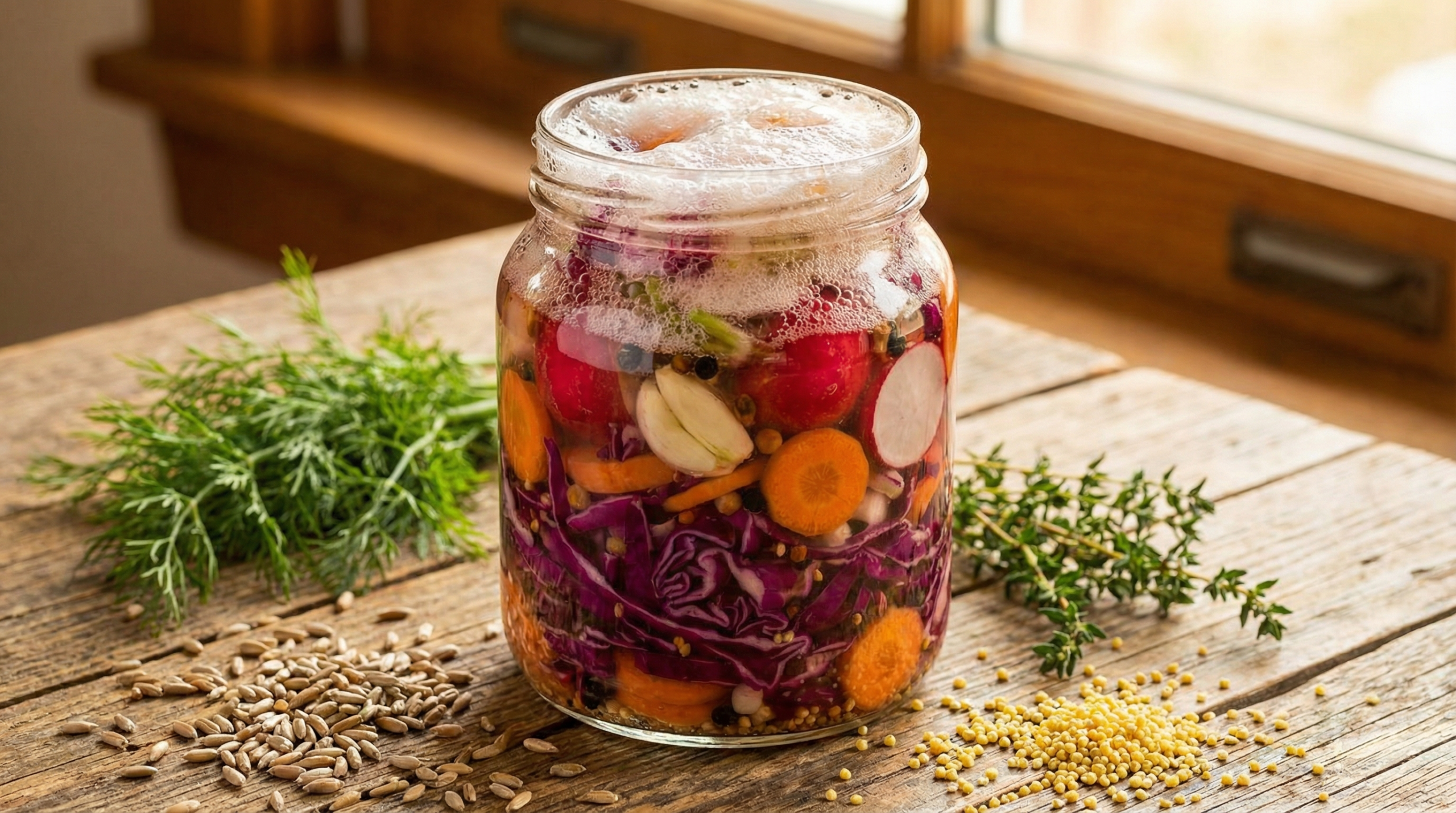
Fermentation uses natural bacteria or yeast to break down food, creating probiotics—tiny living organisms that are super helpful for your gut. Foods like yogurt, kimchi, sauerkraut, miso, and kefir are packed with these good for you microbes. Even homemade pickles using saltwater brine can work.
As these foods ferment, they build up beneficial organisms that your gut loves. When you eat them, they help balance out the bad bugs and support the good ones. More balanced gut flora means it’s easier for your digestive and immune systems to work the way they should, while also keeping signals moving smoothly between the gut and brain. Adding these foods over time, especially with a variety of sources, has been shown to support healthy digestion and provide a stronger line of defence against everyday stressors that might otherwise bring your spirits down. Fermentation also increases certain vitamins and antioxidants, giving your meals a nutritional boost beyond just gut benefits.
How Fermented Foods Could Help Ease Anxiety and Low Moods
I noticed firsthand that adding more fermented foods leaves me feeling less sluggish and less cranky. Turns out, there’s some good science backing these changes. Fermented foods rich in probiotics and prebiotics (the fibres that feed those probiotics) can actually boost the amount and diversity of helpful microbes in your gut.
- Serotonin Support: Remember how most serotonin is made in the gut? Some studies show that the right mix of gut bacteria helps produce and regulate serotonin, which can make you feel calmer and happier.
- Less Inflammation: Chronic inflammation from bad bacteria can worsen anxious or low moods. Probiotics may help reduce this inflammation, protecting the gut lining and keeping those signals to the brain more positive.
- Brain Chemicals: Probiotic microbes also communicate with your immune system and even produce little molecules that act like neurotransmitters, directly supporting brain health.
The upshot here is that a diet full of fibre, fermented foods, and prebiotics c
ould make a real difference if you’re prone to stress or low moods. While they’re not a replacement for professional mental health support, these foods give your daily routine a gentle boost. Over time, they may help you handle stressful moments, maintain a steadier mood, and maybe even feel more energetic overall.
Tips for Starting a Gut Friendly Fermented Diet
- Ease In Slowly: If you’re new to fermented foods, start with small servings. Too much at once can be a shock to your system.
- Mix It Up: Try different sources—yogurt one day, kimchi the next. The more variety in your probiotic foods, the more diverse your gut bacteria will be.
- Look for Live Cultures: Check labels to see if your yogurt or kefir says “live and active cultures.” Pasteurized products might not have those helpful bugs anymore.
- Pair With Fiber: Foods like oats, beans, bananas, or whole grains feed those good bacteria and help them thrive longer.
- Watch for Changes: Keep track of how you feel after a week or two of eating more fermented foods. You might notice better digestion, fewer cravings, or even some mood shifts.
If you want to dig deeper, books like “The Psychobiotic Revolution” are worth checking out, or just experiment at home with easy budget friendly sauerkraut recipes. Joining online communities or local fermentation groups can also provide helpful advice and networking opportunities, especially if you’re new to fermenting your own food. And don’t forget, even small changes—like adding a tablespoon of sauerkraut to your dinner or picking a new flavor of kefir—can move you closer to a gut-friendly lifestyle.
Common Bumps in the Road and How to Handle Them
- Digestive Ups and Downs: Some folks notice extra gas or bloating when trying new fermented foods. This usually settles down as your gut adjusts, but cutting back a bit and building up again can help.
- Sugar Content: Be on the lookout for sweetened yogurts or kombuchas packed with added sugar. These can undo some of the good you’re hoping for.
- Taste Preferences: Not everyone loves the tangy flavor of kimchi or sauerkraut on day one. Mixing small amounts into meals is a good way to get used to the taste.
- Allergies and Sensitivities: If you’re dairy free, pick non dairy yogurts like coconut yogurt or try pickled veggies and miso instead.
Handling Digestive Reactions
Your gut might react a little the first time you boost probiotics. If you notice discomfort, that just means your gut microbes are switching gears. Drink water, take it slow, and scale back if things feel off. Most people find that, with time, their bodies settle into a healthy balance, and some minor bloating or gassiness fades away. If you ever have serious discomfort, it’s a good idea to check with a healthcare provider to rule out food sensitivities or other concerns.
Picking the Right Foods
Making your own fermented veggies at home is budget friendly and means you know exactly what’s inside. Some like to experiment with classic recipes like sauerkraut, while others jump into new flavors with fermented salsas or chili pastes. Shopbought options are good too, just check that they’re not loaded with preservatives or pasteurized in a way that wipes out the helpful bacteria. Sometimes, farmers’ markets or health food stores carry local brands with robust live cultures.
Developing a Routine
I found sticking with breakfast habits, like yogurt or a side of fermented veggies, made it much easier to keep going. Small routines are sometimes easier to maintain than big dietary overhauls. If you’re more of a dinner fan, tossing a forkful of kimchi on your rice or adding miso to soup can fit just as well. Consistency is key, so find moments in your day that feel natural for adding that extra nutrient punch without making things complicated.
Rea lLife Uses: Mental Health and Fermentation
What you eat absolutely plays a role in how sharp, balanced, and upbeat you feel day to day. Fermented foods aren’t a cureall, but when mixed into a balanced diet packed with whole grains, vegetables, and proteins, they bring some real benefits worth sticking with.
- Daily Mood Support: Building a habit of eating gut friendly foods might make it easier to handle life’s daily stressors and help keep you grounded.
- Long Term Brain Health: Keeping your gut microbiome thriving is linked to lower rates of chronic illness, including conditions that can affect memory and focus as you get older.
- Community Connection: Fermentation can be a fun, shared activity. Starting a batch of homemade pickles or trying kombucha brewing brings people together and adds an extra boost from feeling connected. You might even find friends or family interested in jotting down new flavor combinations and sharing feedback on the results.
Including some fermented foods in your weekly routine could even help you spot subtle improvements in your sense of calm, focus, and day-to-day positivity, especially if you’re attentive to how your body feels as it adapts.
Frequently Asked Questions
Question: Can fermented foods really replace medication for anxiety or depression?
Answer: Fermented foods might support mood and brain function, but they’re not a replacement for professional help or medication. They can be part of a bigger self-care plan alongside talking to your doctor or therapist.
Question: How quickly could I feel a difference after eating more fermented food?
Answer: Some people notice changes within a week or two, especially with digestion. Mood and mental clarity benefits can take longer, sometimes several weeks, as your body adjusts and gut flora balance evens out. Sticking with a consistent routine improves your chances of feeling steady positive shifts over time.
Question: Are there risks in eating too many fermented foods?
Answer: Overdoing fermented foods can lead to bloating or discomfort for some people. Starting slow and paying attention to your body’s reactions is a good idea. Everyone’s body is different; you might find your own happy balance with a little experimenting and observation.
Getting a better understanding of how fermentation and mental health are connected is really important for anyone looking to make small, manageable changes for a brighter, fresher mind. Keeping things simple one swap at a time can help your gut and brain thrive together, with plenty of delicious meals along the way. Over time, these mindful food choices can give you energy, resilience, and just maybe a lighter mood to help you through busy days and stressful moments. If you’re curious but unsure, start small and check in with yourself as you go. Your gut and your brain will thank you.