
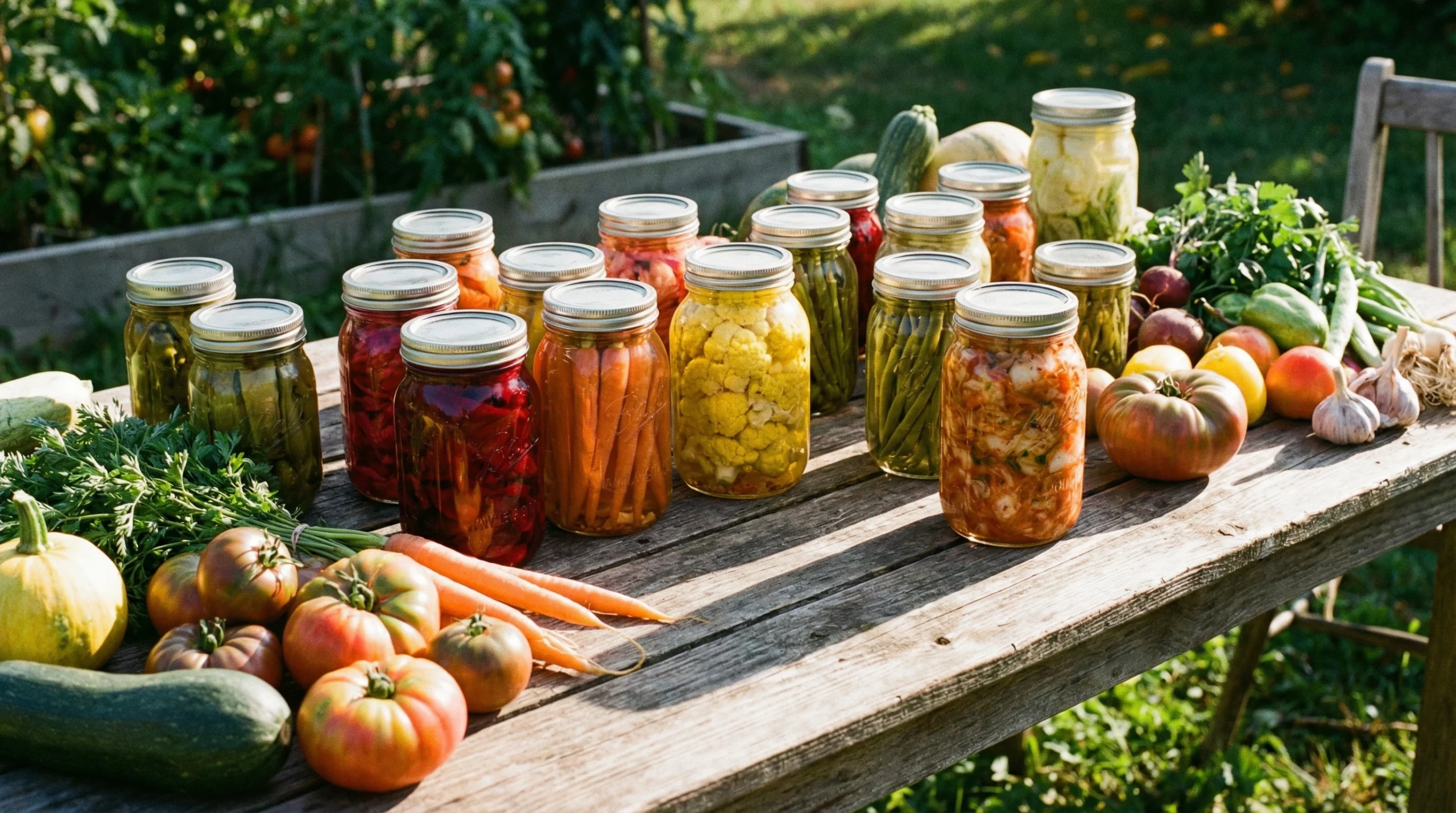
Fermentation isn’t just a food trend; it’s a tradition that’s been around for thousands of years. What makes fermentation especially interesting is how it can change through the seasons. If you’re someone who likes to experiment in the kitchen or you’re just interested in living a bit closer to the rhythm of nature, seasonal fermentation can be a super useful skill to pick up. This guide walks through the benefits of embracing the seasons for your homemade ferments and the practical ways it can make life tastier, healthier, and even a little more cost-effective.
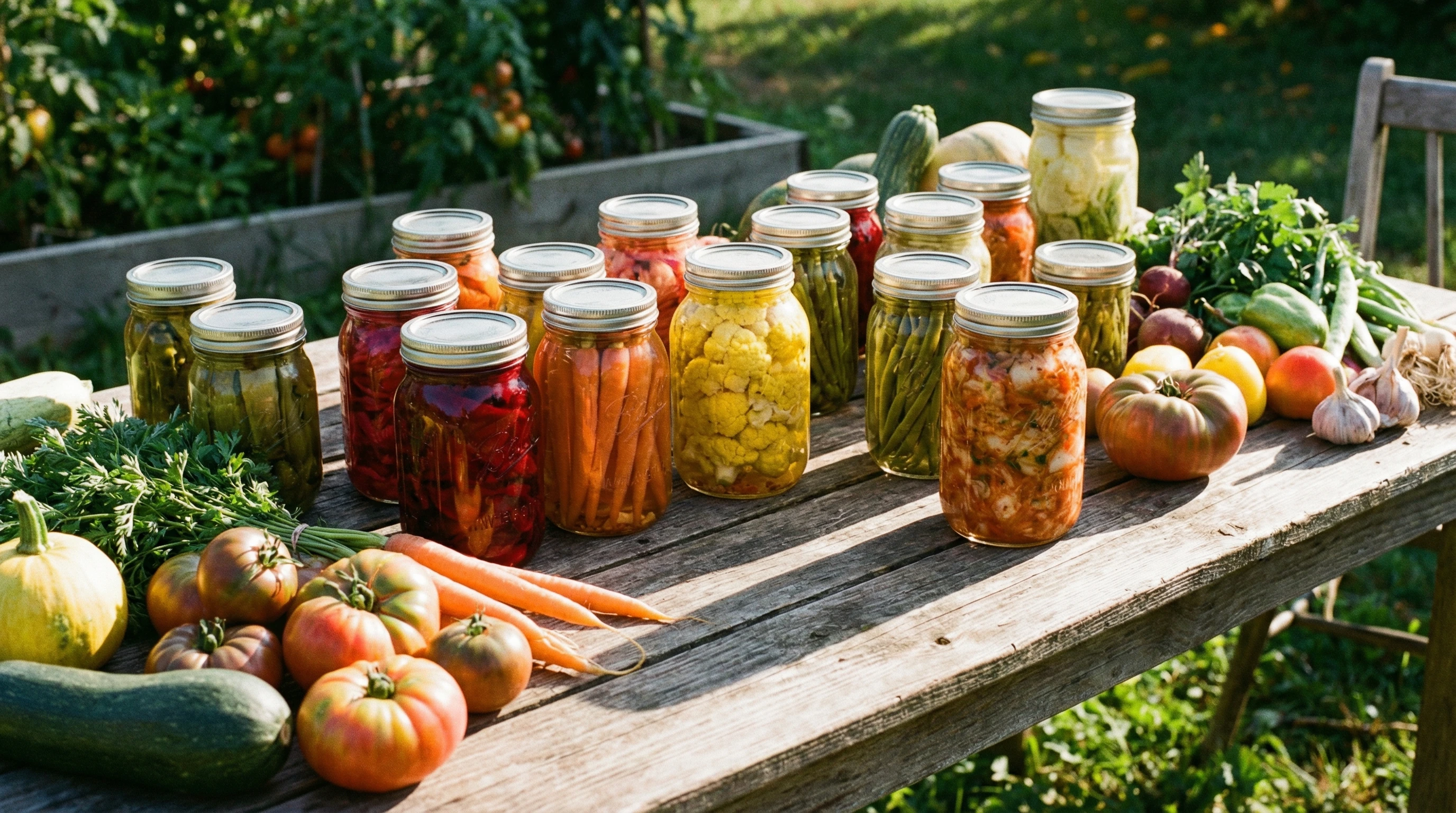
Why Seasonal Fermentation Matters
Seasonal fermentation is all about working with local ingredients that are naturally available during different times of the year. When you use fruits and vegetables in season, you’re getting produce that’s fresher, often more affordable, and packed with the best flavors. This approach isn’t only great for taste; it also supports local farmers and cuts down on food miles, which is better for the planet.
Fermenting seasonally is a tradition in many cultures for good reason. In the days before refrigeration, people relied on fermentation to preserve their harvest when ingredients were plentiful. Today, the practice helps anyone who wants to eat closer to the seasons, and get more variety into their meals.
The Health Benefits of Seasonal Ferments
Fermented foods are basically teeming with beneficial bacteria, which can be great news for your gut health. When you’re fermenting ingredients that are in season, you often get better nutrition out of every batch. That’s because produce picked at its peak ripeness has higher levels of vitamins, minerals, and antioxidants.
Here are a few perks you get when you choose to ferment seasonally:
- Boosted Nutrient Content: Seasonal fruits and veggies, like spring radishes or fall cabbage, have more nutrients when harvested in their prime. These nutrients often make their way into your finished ferments.
- Stronger Probiotic Profile: The wild yeast and bacteria on fresh, local produce can create a richer mix of probiotics when you ferment them. Every batch becomes unique to your region and season.
- Reduced Preservatives: Fermentation doesn’t need chemical preservatives, so you’re getting a clean, naturally preserved food without extra additives.
Getting Started with Seasonal Fermentation
If you’re new to fermentation, it’s actually pretty simple to get started with seasonal produce. A few glass jars, salt, and whatever is in season at your local market are all you really need. Here are a few pointers to help get going:
- Pick What’s In Season: Look for what’s growing near you. In spring, try wild garlic or young asparagus. Summer is great for cucumbers or berries. Fall? Think apples, carrots, or beets. Winter is classic cabbage season, perfect for sauerkraut or kimchi.
- Keep It Simple: Some of the best ferments use just a couple of ingredients. Sauerkraut is just cabbage and salt, but with seasonal tweaks (maybe add sliced apple in the fall), you get a different flavor every time.
- Adjust for the Weather: Warmer rooms speed up fermentation, and in cooler seasons, things take longer. Keeping an eye on temperature helps you avoid fermenting too quickly or too slowly.
Getting comfortable with the basics means you’ll start to notice subtle changes every time you put a new ferment together. For instance, a batch of kimchi made in July might end up tasting noticeably different from one made in December, because the natural sugars and moisture in the vegetables will shift with the climate. Learning about these details can help hone your skills as you get into more complex projects, like sourdough bread or fruit krauts.
Common Challenges of Fermenting by Season
Working with local and seasonal produce isn’t hard, but it can present some quirks that you might not see with standard “grocery store” ferments. Here are some things to watch for, along with a few easy fixes:
- Inconsistent Temperatures: Warm summer days can cause ferments to bubble over, while winter kitchens are often a bit too chilled and slow. Use a kitchen thermometer to keep tabs on room temp and move your jars if they need a warmer or cooler spot.
- Changing Flavors: The taste of the same ferment can change from one season to the next, depending on the natural sugars and water content in the produce. Taste your ferments regularly and don’t be afraid to experiment.
- Limited Ingredient Availability: Sometimes you have to get creative if the market is out of your go-to veggie. Try mixing and matching different in-season items for something totally new.
- Mold or Kahm Yeast: This is pretty common, especially with fresh, unwashed produce. Try to keep everything submerged below the brine and use a clean weight or lid to push things down.
Inconsistent Temperatures
Temperature has a big effect on fermentation speed. Summer batches of pickles might be fizzy in a day or two, but winter sauerkraut could take over a week. I use my pantry during colder months for more stable temps, or sometimes just wrap a towel around the jar. If ferments go too quickly, they can get mushy or overly sour, so moving them to a cooler spot helps. A little bit of trial and error, along with careful note-taking, makes it easier to figure out the ideal spots in your kitchen as the seasons change.
Changing Flavors
Fermentation can taste different from one batch to another, which can be part of the fun or a frustration if you’re looking for consistency. I keep notes of what I use and the exact dates, so when a flavor pops out that I love, I can try to replicate those conditions in the future.
Limited Ingredient Availability
Sometimes the exact veggie you want just isn’t around. Mixing up your recipes with whatever’s fresh keeps things interesting and helps avoid disappointment. This is how I ended up making fermented turnips (they’re surprisingly tasty) when carrots were out of season. Seasonal constraints can, in fact, spark creativity. If you stumble upon rutabagas one week and kohlrabi the next, throw them into a jar, toss in some garlic, and see what happens. You might track down a new favorite ferment just by thinking on your feet at the market.
Mold or Kahm Yeast
Troubles like mold or a film of kahm yeast on top are a normal part of fermentation and usually not a reason to toss everything. As long as you keep veggies under the brine, most yeasts won’t hurt your batch; just skim it off and carry on.
Making adjustments for each season keeps your ferments interesting and helps you learn more with every batch.
Tips for Enjoying Year-Round Variety
One of the coolest things about fermenting in tune with the seasons is how you can build a “library” of flavors for the months ahead. Here are some ways to make the most out of each season’s bounty:
- Batch Cooking: When your favorite ingredient is in season and super affordable, make a bigger batch and store it in the fridge or a cool cellar. This can see you through leaner months.
- Mix and Match: Combining different fruits and vegetables, herbs, or spices lets you make new styles of ferments with every season. Maybe toss some fresh dill in springtime kraut or stir in dried chili for a spicy autumn pickle.
- Preserve Wild Flavors: If you’re into foraging, things like wild garlic, ramps, or flowers add unique flavors that you can’t buy in stores. Even if you don’t forage, striking up a conversation at your local farmer’s market could lead you to all kinds of unexpected finds to toss into your next ferment jar.
As the seasons roll by, you’ll find yourself anticipating what flavors are coming up next, and might even plan family gatherings around a new batch or variety you’ve been experimenting with. The fun doesn’t just come from the eating, but also from the process and the surprise each season brings.
Tools and Gear for Seasonal Fermentation
You don’t need fancy gadgets. Most folks just need glass jars, lids, and salt. Some people like to invest in a fermentation crock, which is pretty handy for larger batches. A few other simple tools can come in useful:
- Weights: These keep your produce below the brine where the magic happens.
- Airlock Lids: These let carbon dioxide escape while keeping outside air out, which can cut down on spoilage.
- Notebook: Keeping track of dates, recipes, and results pays off when you want to repeat or tweak a favorite batch down the line. You might even get into designing labels for each season’s special creations, making your pantry a visual (and flavorful) diary of your fermentation adventure.
Some people enjoy sharing extras with neighbors or friends. Swapping seasonal ferments can introduce your household to a new favorite pickle or ferment you never would have imagined on your own.
Real-World Uses for Seasonal Ferments
Seasonal ferments aren’t just something to snack on straight from the jar. There are loads of practical ways to work these foods into daily meals:
- Condiments: Sauerkraut, kimchi, or beet kvass add punch to sandwiches, burgers, or salads year-round.
- Cooking Ingredient: Chopped fermented veggies can liven up soups, stews, or pasta dishes and add an extra boost of good bacteria.
- Drinks: Fermented beverages like kombucha or seasonal fruit kvass are great alternatives to sugary sodas.
This kind of homegrown variety encourages you to try out recipes you might not have tackled before and brings a seasonal touch to every meal. Need inspiration? Try sprinkling spring onion kimchi onto scrambled eggs or stirring some fermented root vegetables into winter hash. The options are almost endless, and each season throws new flavors into the mix, keeping your kitchen routine from feeling stale.
Frequently Asked Questions
Here are a few questions people usually ask when getting started with seasonal fermentation.
Question: Can I ferment just about anything from my local market?
Answer: Most veggies and fruits work well. Root vegetables, cabbage, cucumbers, and apples are especially beginner friendly, but always try to use what looks freshest.
Question: How long can I store fermented foods?
Answer: Home ferments can last several months in the fridge or a cool, dark place. Their flavor may get bolder with time, so taste as you go.
Question: Is it safe to eat homemade ferments?
Answer: Homemade ferments are generally safe as long as you follow some commonsense rules: start with clean tools, keep produce submerged under the brine, and toss anything that smells truly foul or looks slimy.
Bringing Seasonal Fermentation Into Your Everyday Routine
Switching up what you ferment based on the seasons can not only make your diet more interesting but also helps you get more nutrition from your food. It’s a super sustainable way to eat, and connecting with your local environment through the things you eat is a pretty rewarding experience. Start exploring your nearby farmer’s market or local coop for inspiration and see what’s fresh. Seasonal fermentation turns everyday produce into something special, and it’s a habit that pays off with flavor, health, and a little bit of adventure in every jar.