Bacteria and yeast play a starring role in fermentation, popping up everywhere—from tangy bread and cheese to fizzy drinks and pickles. Even if you’ve never thought much about it, these tiny organisms help create some of the planet’s most beloved flavors and textures. If you’re curious about how they actually do their thing and what really happens during fermentation, I’ve got you covered in this guide.

The Basics: What Is Fermentation?
Fermentation is a natural process where microorganisms like bacteria and yeast break down sugars into other compounds, usually making things like gases, acids, or alcohol along the way. You’ll see fermentation at work in foods like sourdough, sauerkraut, yogurt, kombucha, beer, and wine. The action mostly happens without oxygen and has been around for thousands of years as a simple, reliable way to preserve food and create new flavors.
One fun fact: fermentation isn’t just about making things taste different. It can actually make food easier to digest and sometimes more nutritious. Plus, the fizz in soda or bread comes straight from these little microbes living their best lives. In fact, some studies show that fermented foods may even have probiotic benefits, positively impacting your gut health and immune system by promoting good bacteria in your digestive tract.
Meet the Microbes: Bacteria vs. Yeast
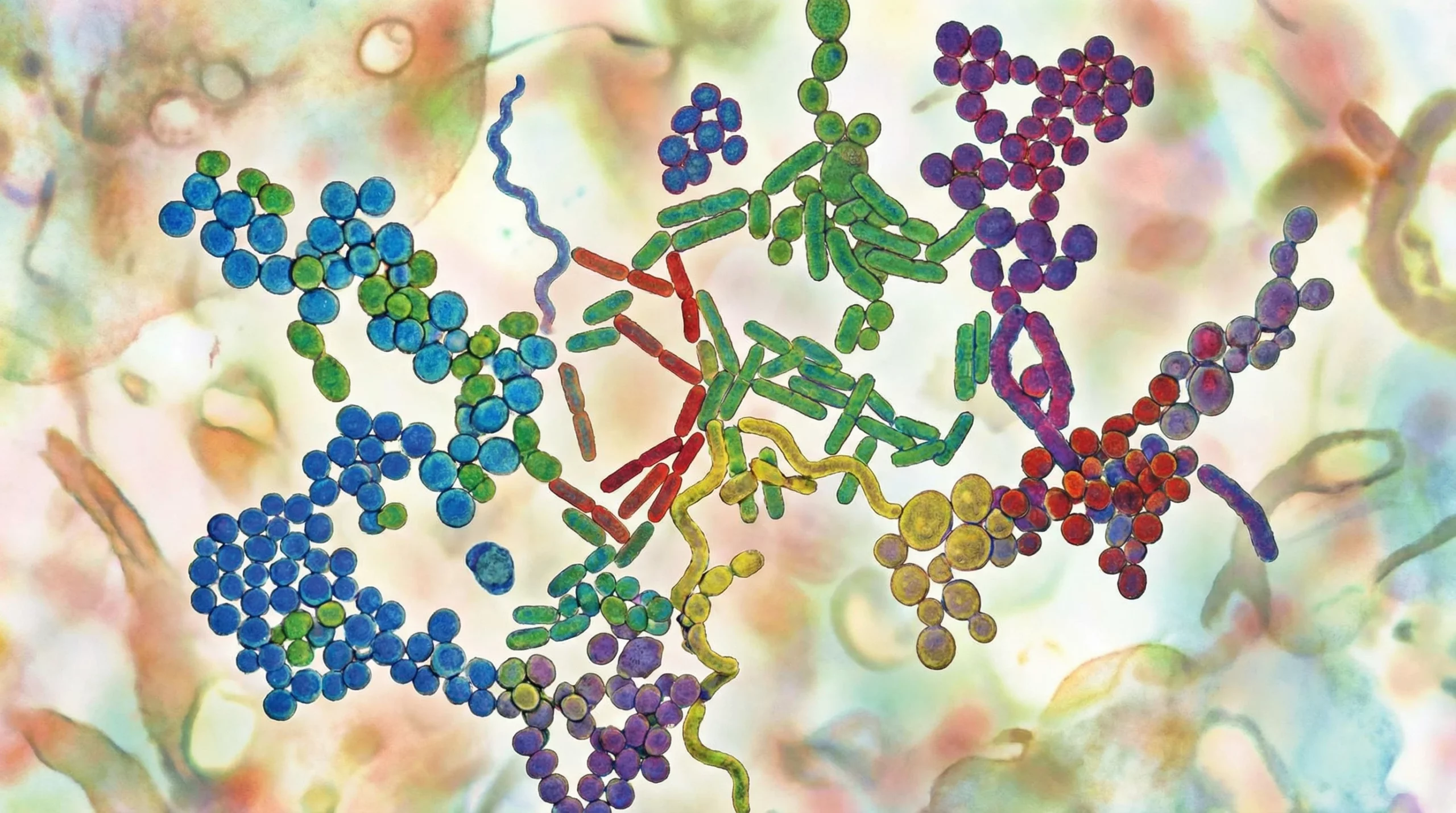
Bacteria and yeast both handle fermentation, but they don’t always do the same job. Each type brings its own flavor to the table, both literally and figuratively.
- Bacteria: These are single-celled creatures that love turning sugars into things like lactic acid (think yogurt and kimchi) or acetic acid (that tang in vinegar). Lactobacillus is a well-known group here, and you’ll spot it in a lot of classic ferments.
- Yeast: A bit bigger than bacteria and technically a fungus. Yeast gobbles up sugars, often turning them into ethanol (that’s alcohol) and carbon dioxide. Saccharomyces cerevisiae is the allstar yeast for bread, beer, and wine.
Sometimes, both bacteria and yeast work together in the same food. Kombucha is a good example. The teamwork gives you a drink with fizz from the yeast and tangy notes from the bacteria, and together, they help develop the complex flavor profile particularly loved by fans of homemade ferments.
Key Fermentation Pathways and How They Work
The way bacteria and yeast ferment things depends on where they are and what food they’re working with. These are some of the main routes their fermentation can take:
- Lactic Acid Fermentation: Mainly by certain bacteria. This route is behind pickles, yogurt, kimchi, and sourdough. Lactic acid gives foods a zippy, sour pop and can keep bad bacteria away while adding preservation benefits.
- Ethanol (Alcohol) Fermentation: Yeast lead the charge here, producing alcohol and bubbles as in beer, wine, mead, and some breads. This not only creates alcoholic beverages but also contributes to the leavening and flavor in bread.
- Acetic Acid Fermentation: Some bacteria like Acetobacter will take alcohol and convert it to acetic acid (vinegar) if there’s a little oxygen around. This creates the tart, mouth-puckering notes you find in apple cider vinegar or kombucha vinegar.
Different combinations or strains give you a wide range of tastes, textures, and appearances. That’s why no two brands of yogurt or bottles of beer taste exactly alike, even when the recipes are similar.
StepByStep Guide to How Bacteria and Yeast Transform Food
Figuring out how these microbes actually work can be helpful if you’re thinking of trying some fermentation yourself, or just want to know what’s happening in your favorite snacks. Here’s a simplified overview:
- Preparation: You start with something sugary or starchy, like flour, grapes, or cabbage. The natural sugars (or starches that get converted to sugar) feed the microbes and provide the fuel for fermentation.
- Inoculation: Use a starter culture or rely on wild microbes hanging out naturally on foods and in the air. Each method steers the fermentation in a slightly different direction. Starters give predictable results, while wild fermentation is unique each time.
- Oxygen Levels: Most fermentation happens in lowoxygen (anaerobic) environments. You seal up your kimchi tightly or submerge pickles to keep air out and spoilage at bay.
- Fermentation: Microbes kick in and start munching. Yeast breaks down sugars to alcohol and CO2, while bacteria may create lactic or acetic acid. The food changes flavor, aroma, and texture right before your eyes and nose.
- Maturation: As fermentation slows, flavors keep evolving. You might transfer sauerkraut to a fridge or age beer in barrels for a unique taste, letting the flavors develop and mellow over time.
Fermentation can take just a day or two for some foods like yogurt, or stretch out for months if you’re going for deeply flavorful cheeses or barrel-aged pickles. Monitoring your ferments during this stage is essential for achieving the taste and safety you want.
Challenges in Fermentation
Getting bacteria and yeast to behave the way you want isn’t always a smooth ride. A few hiccups can show up along the way:
- Temperature Fluctuations: Too hot or too cold, and the microbes either move too fast, too slow, or die off. Most like it somewhere between 2030°C (68–86°F), but there are exceptions.
- Contamination: If unwanted bacteria or spores get into your batch (especially molds), the flavor can go sideways or the food can spoil.
- Salt Content: For some ferments, like pickles or kraut, the right amount of salt helps the good bacteria win out over the bad guys and produce crisp, tasty results.
- Oxygen Leaks: Accidentally letting in too much air can favor the wrong microbes, especially in alcohol or lactic acid ferments.
Keeping things clean and sticking to proper methods makes a big difference. With a little trial and error (and some patience), home fermentation can be super satisfying, leading to batches that taste just right and are safe to eat or drink.
Bacteria: Common Challenges
Bacteria can sometimes be really sensitive to changes in salt, acidity, or temperature. For example, if you forget to use enough salt in sauerkraut, your chances of mold go up. On the other hand, too much salt can mean the right bacteria don’t show up at all. I’ve had batches of kraut go slimy or weird when I wasn’t careful, so taking the time to measure really pays off. Clean hands and tools also help keep away the wrong microbes while favoring the good ones.
Yeast: Common Issues
Yeast, especially in breads and drinks, can slow down or speed up wildly with temperature swings. If a dough rises too fast, the flavor might end up bland. Or, if the temperature is too low, you could wait all day for a loaf of bread that never gets moving. Picking the right spot for proofing or fermenting drinks is pretty handy in avoiding these pitfalls, and using a thermometer can help you stay consistent.
RealWorld Uses and Personal Experiences
Sometimes the best way to learn is by getting involved. I’ve spent a lot of time trying (and often failing!) with things like sourdough bread, kimchi, and kombucha. Each ferment comes with its own learning curve and fun surprises. Even small changes—like the kind of flour in bread, or the ambient temperature—can totally change the results and flavors, so no two batches are ever quite the same.
- Sourdough Bread: With a mix of wild bacteria and yeast, the dough bubbles and rises, giving you that trademark tang and chewy crumb. I found that patience pays off. Slower, colder ferments mean more flavor and a better crust.
- Kombucha: This drink is powered by a wild combo of yeast and bacteria in a SCOBY (that’s a kind of blobby cellulose mat). Different teas, sugars, and temperatures lead to a range of fizz and tartness. Even the weather has a say in how each batch turns out—sometimes more sour, sometimes smoother.
- Yogurt: Using a starter culture, I can whip up creamy homemade yogurts that have just the tartness I like, usually in just a few hours on the counter or in a yogurt maker. Adding fruit, honey, or granola lets you switch things up for variety throughout the week.
- Pickles: Lactic acid bacteria make crispy, sour pickles as they eat up sugars in cucumbers, helped by salty brine. The crunch really depends on keeping the pickles under the brine and fermenting just long enough. Try experimenting with spices for a more exciting bite.
Experimenting is a fun way to learn what the microbes want and the flavors you enjoy most. Don’t be afraid to try new recipes, adjust seasonings, or make notes on how changing something affects the taste, texture, or fizz in your finished ferments.
Frequently Asked Questions
You might run into some common questions when getting started with fermentation. Here are a few to help:
Question: Is fermentation safe at home?
Answer: Home fermentation is considered safe if you follow good hygiene, use fresh ingredients, and stick to reliable recipes. If something smells funky in a bad way, toss it. Trust your senses, and when in doubt, start fresh. Keeping notes on each batch helps you spot what works best for your household.
Question: Can any bacteria and yeast ferment food?
Answer: Not all microbes are good for fermentation. The strains you want are those that make tasty, safe food. Starters and cultures, like sourdough starters or kefir grains, are usually reliable, while using wild microbes can be unpredictable but fun if managed carefully. Do some research before using new ingredients so you can enjoy safe, flavorful results.
Question: Why does my ferment get slimy or moldy?
Answer: This usually happens if unwanted microorganisms outcompete the good ones. Make sure to use the right salt levels, keep ferments submerged, and use clean tools and containers. A little extra care at the start can mean far fewer problems down the line.
Why Bacteria and Yeast Matter in Everyday Life
Bacteria and yeast shape flavors, give a boost to nutrition, and even make food safer by lowering pH and fighting off bad microbes. They help create everything from your morning yogurt to your evening bread or glass of wine. Knowing how they work can make food taste better and even open up a fun new hobby at home. Whether you’re an adventurous eater or a DIY fermenter, these microbes are worth getting to know. Their teamwork has made fermented foods popular all around the globe, appreciated for their taste, their nutrition, and their ability to bring people together over great meals.