
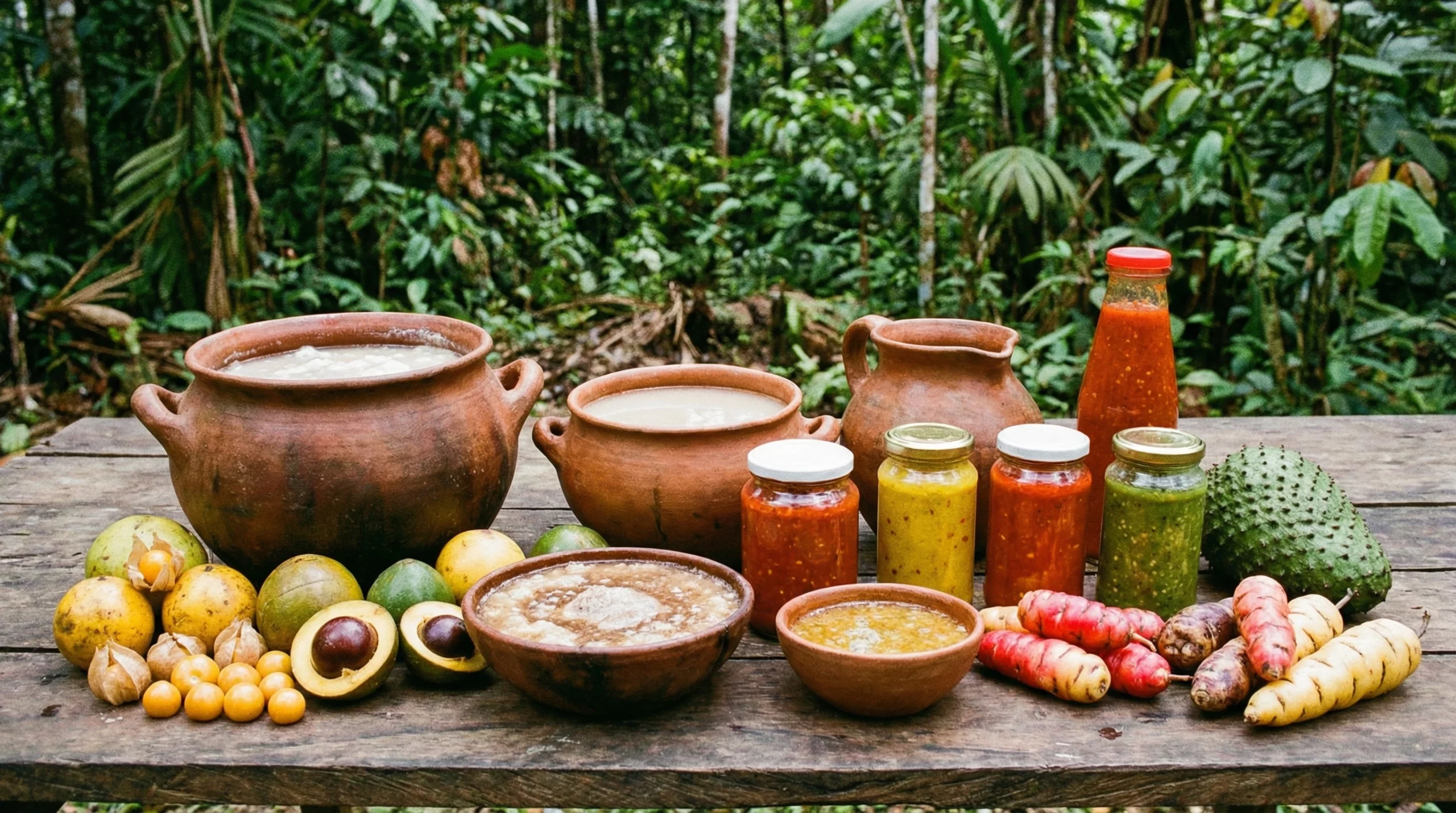
Fermentation in South America isn’t just a kitchen process; it’s a living tradition that blends culture, science, and local ingredients in really cool ways. From tangy corn beverages to funky fermented cassava, this ancient practice touches daily meals, health remedies, and even celebrations. If you’re curious about how fermentation shapes South American food, I’ve pulled together everything you need to know to start appreciating and maybe even trying out some of these unique flavours for yourself.
Getting to Know South American Fermentation
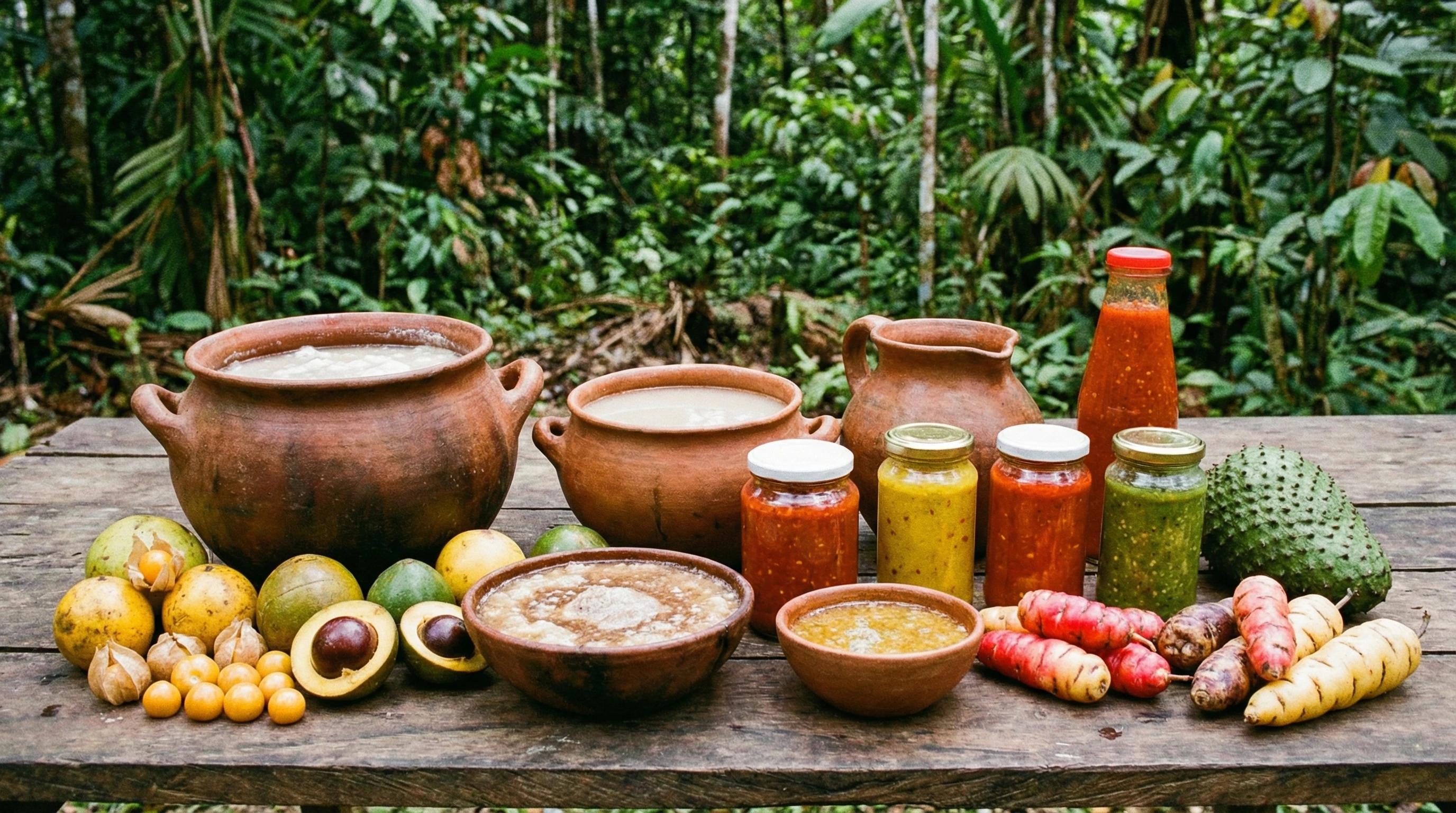
Fermentation has been part of South American culinary life for thousands of years. Across countries like Peru, Brazil, Ecuador, and Bolivia, you’ll find a real mix of fermentation styles, each shaped by local crops, wild microbes, and even community celebrations. The diversity of climates, from cool Andean highlands to humid Amazon regions, helps create this wide range of fermented products.
Traditional fermentation involves local grains, tubers, fruits, or milk, which naturally pick up wild yeasts and bacteria. It’s pretty handy for preserving food before refrigerators were a thing, but it also adds flavor, makes foods easier to digest, and may even bump up nutritional benefits. Some fermented foods are everyday basics, while others are made specifically for festivals, rituals, or family gatherings. This makes fermentation an important part of both survival and celebration in South America.
Core Fermented Foods and Drinks of South America
Everyone in South America seems to have their favorite home fermented dish or drink. Here are a few key types you’ll often hear about:
- Chicha: A fizzy, slightly sour corn drink, chicha shows up at markets and family fiestas from Colombia down to Argentina. Chicha can be made with maize, quinoa, or even manioc (cassava). Depending on who’s making it, it might be lightly alcoholic or more of a tangy soft drink.
- Masato: Hailing mostly from the Amazon, this drink is built around fermented cassava and is often enjoyed at social events. It’s rich, earthy, and sometimes sweetened or flavored with fruit.
- Cauim: Deep roots in Brazil, cauim is a ceremonial drink made by fermenting manioc or maize. Indigenous communities still prepare it with traditional techniques.
- Tawach: Less known outside Bolivia and Peru, tawach is a fermented corn beverage packed with flavor and history, often made for festivals.
- Fermented Aji (Hot Sauce): Peppers aren’t just used fresh. Across Peru and Ecuador, you’ll find ají peppers naturally fermented with salt to create punchy hot sauces that pop up on dinner tables everywhere.
- Cheese and Dairy: The Andes are home to some traditional fermented sheep and cow’s milk cheeses. Queso fresco and some Amazonian yogurts stand out for their tangy twists.
How Fermentation Happens: Key Steps and Science
Fermenting food isn’t just about leaving it out and hoping for the best. South American fermentation depends on a few simple, but really important steps, along with nature’s microbes working their quiet magic.
- Preparation: Most recipes begin by cooking, soaking, or mashing the core ingredient (like maize, cassava, or fruit). This unlocks sugars and softens fibres, making it easier for wild yeasts and bacteria to get started.
- Inoculation: Often, nothing is added; local air, tools, or even hands bring in the natural microbes. In some areas, a small batch from a previous ferment helps make sure things start off strong and safe.
- Fermentation Vessel: Large clay pots, gourds, wooden barrels, or plastic buckets each play a role. The vessel helps keep out too much air and protects flavor.
- Time and Temperature: Depending on what you’re fermenting, the process can take a few hours to several days. Warm, stable temps (but not too hot) help good microbes outcompete spoilage microbes.
Fermentation here usually relies on lactic acid bacteria, wild yeast, or a mix of both. These critters help turn starches or sugars into acids, alcohol, and bubbles. This gives the final product its special taste, fizz, and sometimes a mild alcohol kick.
Tips for Home Fermenting South American Recipes
If you’re itching to try a South American ferment at home, a few basics help things run more smoothly:
- Start Simple: Corn or cassavabased drinks are easier for beginners. Try a simple chicha de maíz (corn) before jumping into longer, more hands-on ferments.
- Clean Gear: Scrub your pots, spoons, and hands. Clean doesn’t mean sterile, just avoid soap residue and obvious dirt to give good microbes a head start.
- Keep an Eye on Temperature: Fermentation usually likes warm, steady temps (around 20–28°C or 68–82°F). Super hot or freezing rooms can slow things down or spoil the batch.
- Smell and Taste as You Go: Most homemade ferments develop a tangy, sour, or funky smell, but avoid anything that turns out slimy, rotten, or chemical-scented. Trust your senses.
- Share and Learn: The best way to take things up a notch is to taste, ask, and swap stories with others. Community is where these ferments shine, just like they have for generations.
Common Challenges and How to Handle Them
Fermenting at home can be unpredictable, and South American recipes add some new twists. Here are a few things I’ve come across and how I work through them:
- Clean Water: Using clean, filtered water (or boiling and cooling it first) helps avoid unwanted flavors or spoilage.
- Ingredient Quality: Fresh, good quality corn, cassava, or fruit makes a huge difference. Old, dry stuff can make fermentation sluggish or off-tasting.
- Mold Growth: A little white film (kahm yeast) isn’t a big deal, but anything colorful, especially pink, green, or black, means it’s time to start over for safety.
- Accidental Alcohol: In hot temps or with extra sugar, some drinks will end up stronger than planned. If that’s not what you want, try shorter ferments or less sugar.
Clean Water
Tap water with lots of chlorine or other disinfectants can slow or block fermentation, even when everything else is right. Using filtered or boiled water is a small step that usually pays off with more predictable results.
Ingredient Quality
Good fermentation starts with good ingredients. I’ve found that fresh or recently dried corn and sweet cassava work best. Old, moldy, or bruised ingredients can lead to spoilage or muted flavor.
Mold Growth
While most South American home ferments rely on wild microbes, unwanted molds can show up if things get too hot, ingredients float exposed, or the vessel isn’t clean. Skimming and checking daily helps catch issues early, but anything colorful or fuzzy is a sign to toss it and try again.
Accidental Alcohol
Especially in warm climates, sugars can ferment quickly into alcohol. Some people aim for a stronger drink. If you’re hoping for a mild, kid friendly flavor, go for a shorter time or use diluted ingredients.
None of these hiccups are dealbreakers if you approach them with patience and curiosity. Every batch is a learning opportunity, and sharing both successes and failures is a big part of the fun.
Making Fermentation Work for You: Beyond the Basics
Once you’ve tasted the basics, there’s a lot of room to get creative. Try adding fruit, herbs, or spices to chicha or masato for new spins on flavor. Some home brewers even experiment with coffee, cacao, or wild berries for wild, tasty results.
If you’re handy in the kitchen, consider canning or bottling extra batches to share or save for special occasions. Just remember that traditional ferments often keep working in the bottle, so keep things chilled and watch out for extra fizz or pressure.
Fermentation ties into health trends too. Probiotic rich ferments like chicha and fermented hot sauces are now catching attention outside South America for their supposed gut health and nutritional perks. While every batch varies, the live cultures, vitamins, and minerals in these foods are hard to beat for natural nutrition.
There’s also a growing appreciation for the way fermentation cuts down on food waste. By putting to work ingredients that might otherwise go bad, you help conserve resources and get more out of seasonal harvests.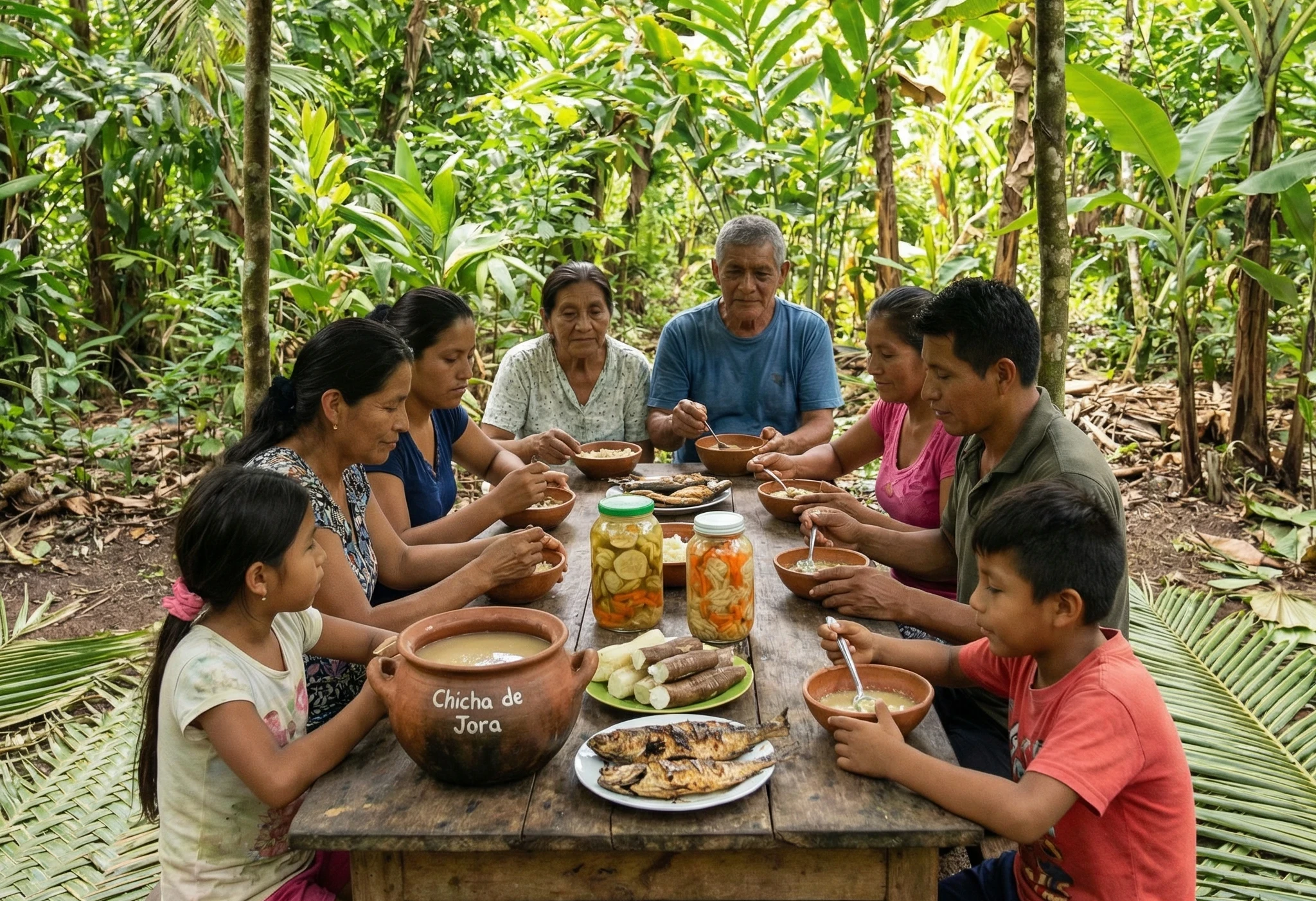
The Heart of the Table: Real World Examples and Stories
Fermented foods aren’t just about recipes; they’re part of daily life. In Ecuador, chicha is offered to visitors as a gesture of welcome. In Andean villages, families work together to peel cassava and sing while masato bubbles in a big clay pot. In Brazil, cauim is shared at community ceremonies, connecting neighbors and honoring ancestors.
- Daily Meal Boost: A bit of fermented aji brings brightness and heat to any dinner.
- Festas and Gatherings: Homemade chicha becomes the centerpiece of a family celebration, poured for elders and kids alike.
- Health Remedies: Fermented fruit and dairy drinks pop up as energy boosters, especially after a long day’s work or hike.
These foods are about connection; between people, the land, and tradition. The flexibility of each recipe means you can shape them to your own kitchen no matter where you live.
Frequently Asked Questions
Here are some common questions folks ask when they get into South American fermentation:
Question: Is it safe to ferment food at home with wild microbes?
Answer: With clean equipment and good ingredients, most South American ferments are pretty low risk. Just keep an eye (and nose) out for mold, and store things properly after fermenting.
Question: Does chicha or masato always have alcohol?
Answer: Not always! Short ferments are super low in alcohol, and many family versions are designed for all ages. But the longer it sits, the more likely it will be a bit boozy.
Question: Can I use other grains or fruits instead of traditional corn or cassava?
Answer: Yes. Local grains, quinoa, sweet potatoes, or even apples can work. Don’t be afraid to experiment; just watch that the flavors pair well with fermentation.
Bringing South American Fermentation Into Your Kitchen
Trying out South American fermentation is a really fun way to link food, culture, and creativity. Whether you’re making a bubbling batch of chicha, a jar of sour ají sauce, or a tangy Amazonian masato, each ferment is a mini experiment. Don’t stress about perfection. Rely on simple gear, trust your senses, and maybe rope family or friends into the process the way people have done for centuries. Your kitchen will fill up with new smells, flavors, and maybe even a story or two worth sharing.
Enjoy exploring these traditions. Just remember, each bottle or bowl brings a taste of South America right to your table, whether you live in the Amazon or on the other side of the world. Happy fermenting!