Introduction
Fermentation has been used for thousands of years to preserve food, enhance flavor, and improve digestibility. Long before refrigeration existed, traditional cultures relied on fermentation to safely store vegetables, dairy, grains, and beverages.
Today, fermented foods are experiencing a revival — not just for their tangy taste, but for their impressive health benefits.
From supporting gut health to enhancing nutrient absorption and even influencing mood, fermentation plays a powerful role in overall wellness. In this guide, we’ll explore the top five fermentation health benefits and how you can incorporate fermented foods into your lifestyle safely and effectively.
1. Improves Gut Health and Microbiome Balance


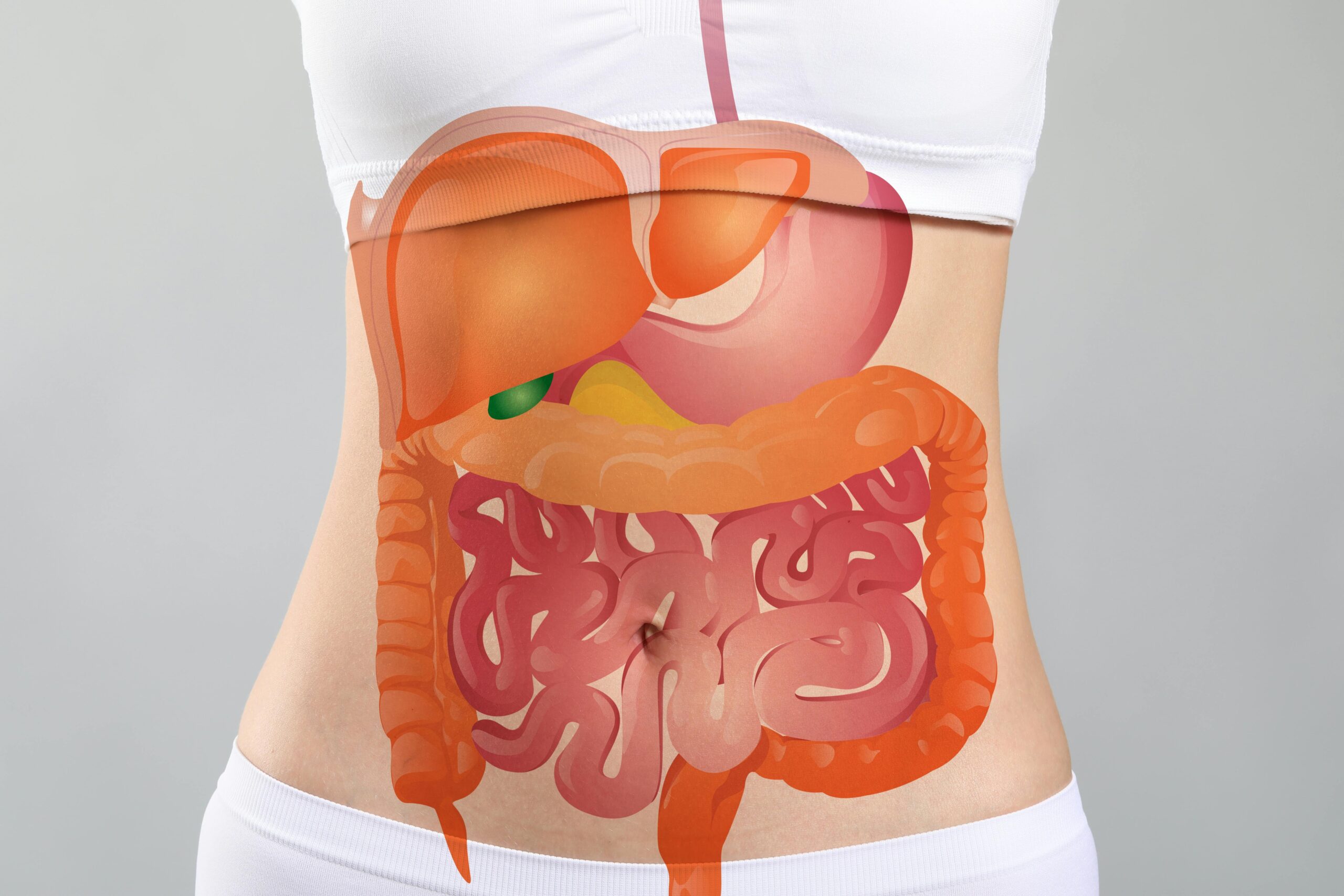
One of the most well-known fermentation health benefits is its impact on gut health.
Your digestive system is home to trillions of microorganisms collectively known as the gut microbiome. This ecosystem influences digestion, immune response, inflammation levels, and more.
When you consume fermented foods containing live cultures (probiotics), you may help introduce beneficial bacteria into your digestive system. These microbes can:
- Support microbial diversity
- Help crowd out harmful bacteria
- Improve digestion
- Promote regularity
Common probiotic-rich fermented foods include yogurt with live cultures, kefir, sauerkraut, kimchi, and kombucha.
Not all fermented foods contain live probiotics, so choosing refrigerated or clearly labeled live-culture products is key.
2. Enhances Nutrient Absorption and Bioavailability


Fermentation doesn’t just add probiotics — it transforms food at a biochemical level.
During fermentation, beneficial bacteria produce enzymes that break down compounds called anti-nutrients, such as phytic acid. These compounds can bind to minerals and reduce absorption.
Fermentation may improve absorption of:
- Iron
- Zinc
- Magnesium
- Calcium
- B vitamins
Fermented dairy products partially break down lactose, making them easier to digest for some individuals. Fermented vegetables may also provide enhanced vitamin availability compared to raw forms.
Fermentation acts like a natural pre-digestion process, helping your body access more nutrition from the foods you eat.
3. Supports Immune Function
 4
4


A large portion of your immune system resides in your gut. The gut lining acts as a barrier, and beneficial bacteria help regulate immune responses.
When your microbiome is balanced, it can help:
- Maintain gut barrier integrity
- Communicate with immune cells
- Regulate inflammation
Research continues to explore how probiotics influence immune signaling, but current evidence suggests a diverse gut microbiome plays a key role in immune resilience.
Fermented foods are not cures or treatments for illness — but they can be a supportive part of a balanced lifestyle.
4. May Improve Mental Wellbeing Through the Gut–Brain Axis



Modern research highlights the connection between your gut and brain, known as the gut–brain axis.
Certain gut bacteria help produce neurotransmitters such as:
- Serotonin
- Dopamine
- GABA
These chemical messengers influence mood, stress response, and cognitive function.
Emerging studies suggest that supporting gut health with fermented foods may positively influence mood balance and mental clarity. While research is ongoing, many people report improved energy and wellbeing when regularly consuming probiotic-rich foods.
This is where fermentation becomes part of a mindful, thriving lifestyle.
5. Supports Digestive Comfort and Metabolic Health
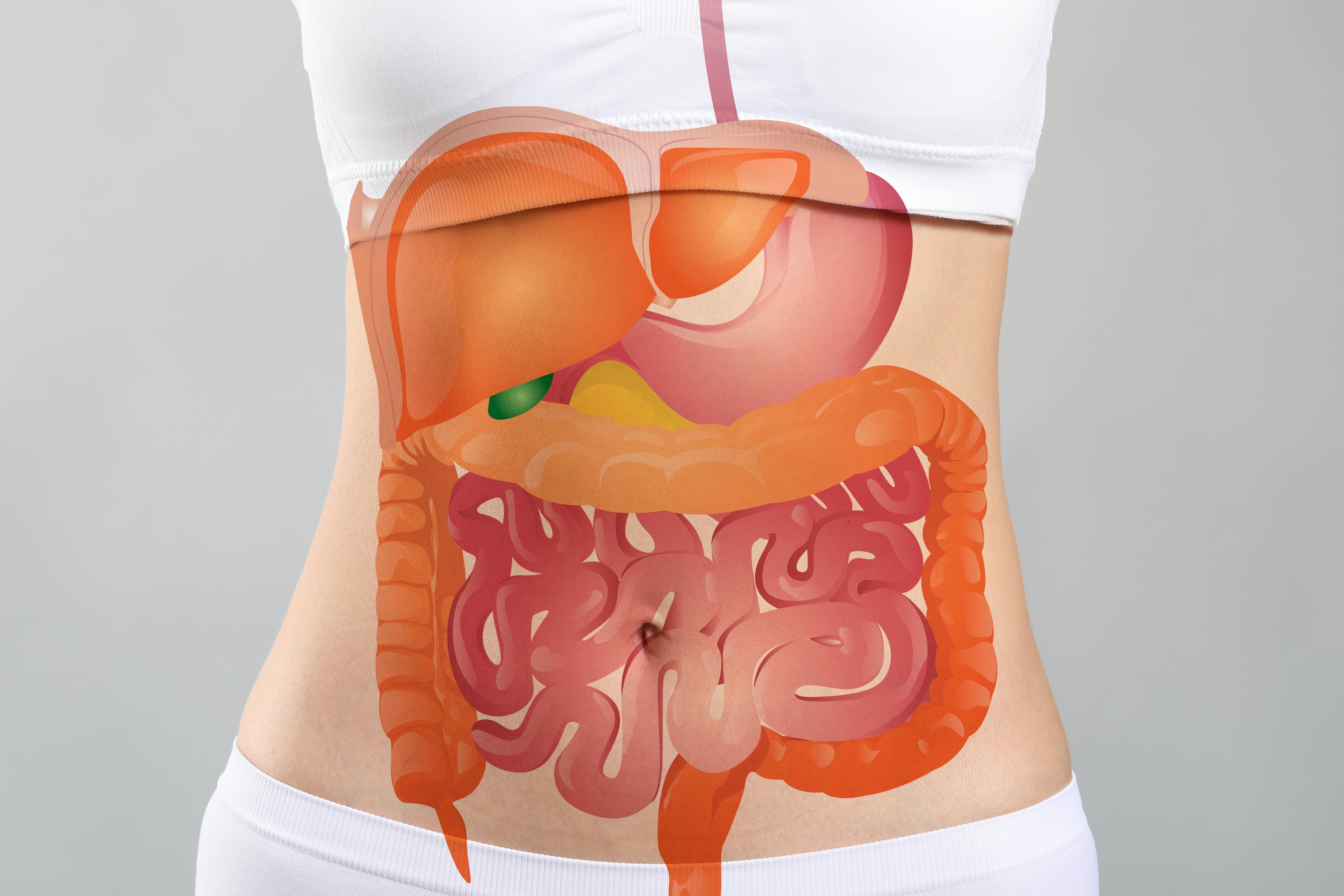


Many people turn to fermented foods for digestive support.
Because fermentation partially breaks down carbohydrates and proteins, these foods are often easier to digest than unfermented versions.
Potential digestive benefits include:
- Reduced occasional bloating
- Improved regularity
- Enhanced enzyme activity
- Better tolerance of dairy
Some research also suggests fermented foods may influence appetite signaling and blood sugar response, though more studies are needed.
Consistency matters more than quantity. Small, regular servings are typically best.
Are All Fermented Foods Probiotic?
Not always.
Some fermented foods are pasteurized after production, which destroys live bacteria. Examples may include shelf-stable sauerkraut or certain bottled beverages.
To maximize fermentation health benefits, look for:
- “Live and active cultures” on the label
- Refrigerated products
- Raw or unpasteurized varieties
Homemade fermentation is often the best way to ensure live cultures remain intact.
How Much Fermented Food Should You Eat?
Start small and build gradually:
- 1–2 tablespoons of sauerkraut
- ½ cup yogurt or kefir
- Small serving of kimchi
- Modest glass of kombucha
Introducing fermented foods slowly allows your microbiome to adjust.
Final Thoughts: Why Fermentation Supports a Thriving Lifestyle
Fermentation is one of humanity’s oldest food traditions — and modern science continues to validate its importance.
The key fermentation health benefits include:
- Improved gut microbiome balance
- Enhanced nutrient absorption
- Immune system support
- Potential mental wellbeing benefits
- Better digestive comfort
Fermentation isn’t a quick fix. It’s a sustainable, traditional practice that complements a whole-food diet and balanced lifestyle.
At its core, fermentation is about transformation — transforming food, supporting your gut, and helping you thrive from the inside out.