
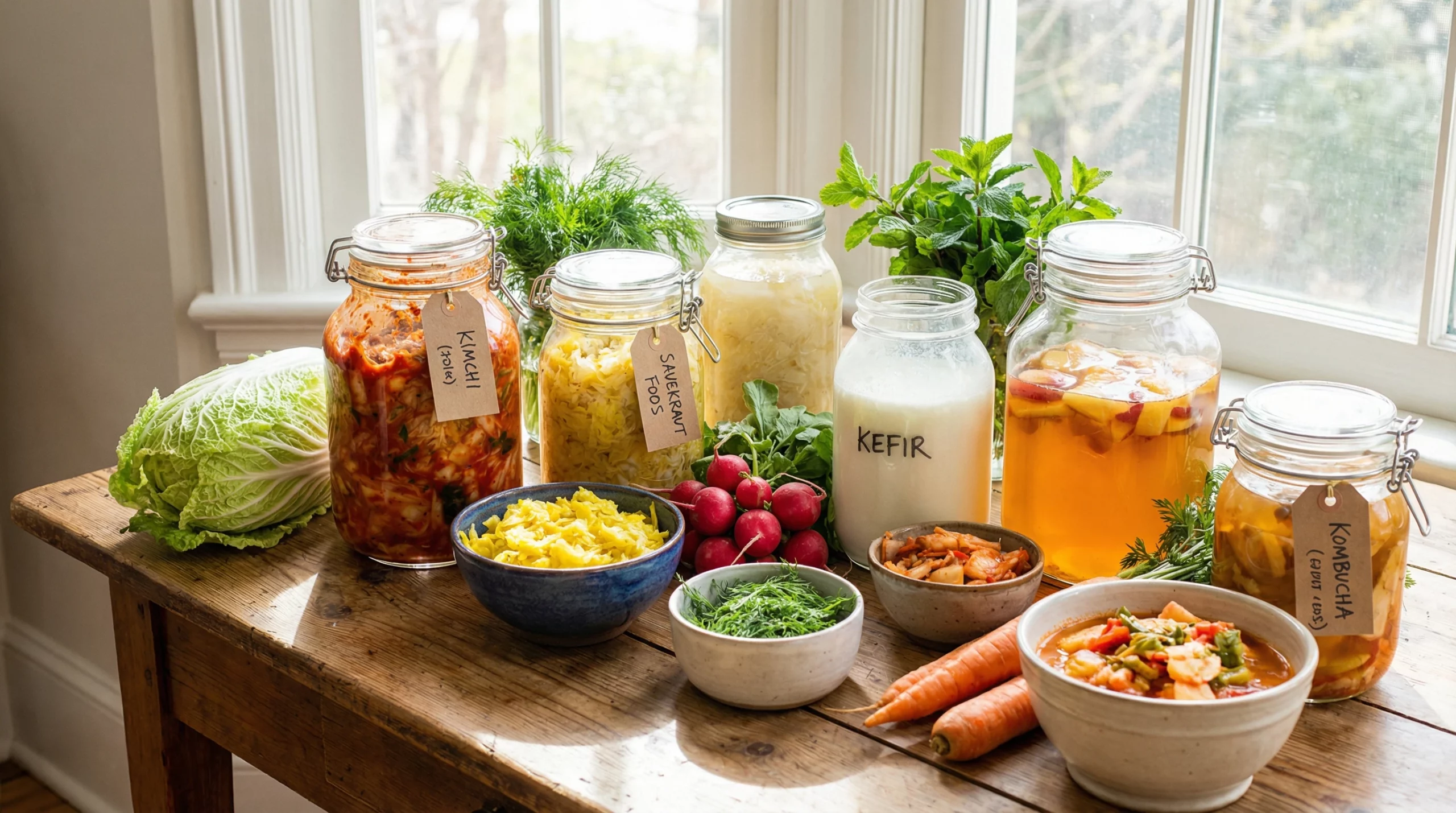
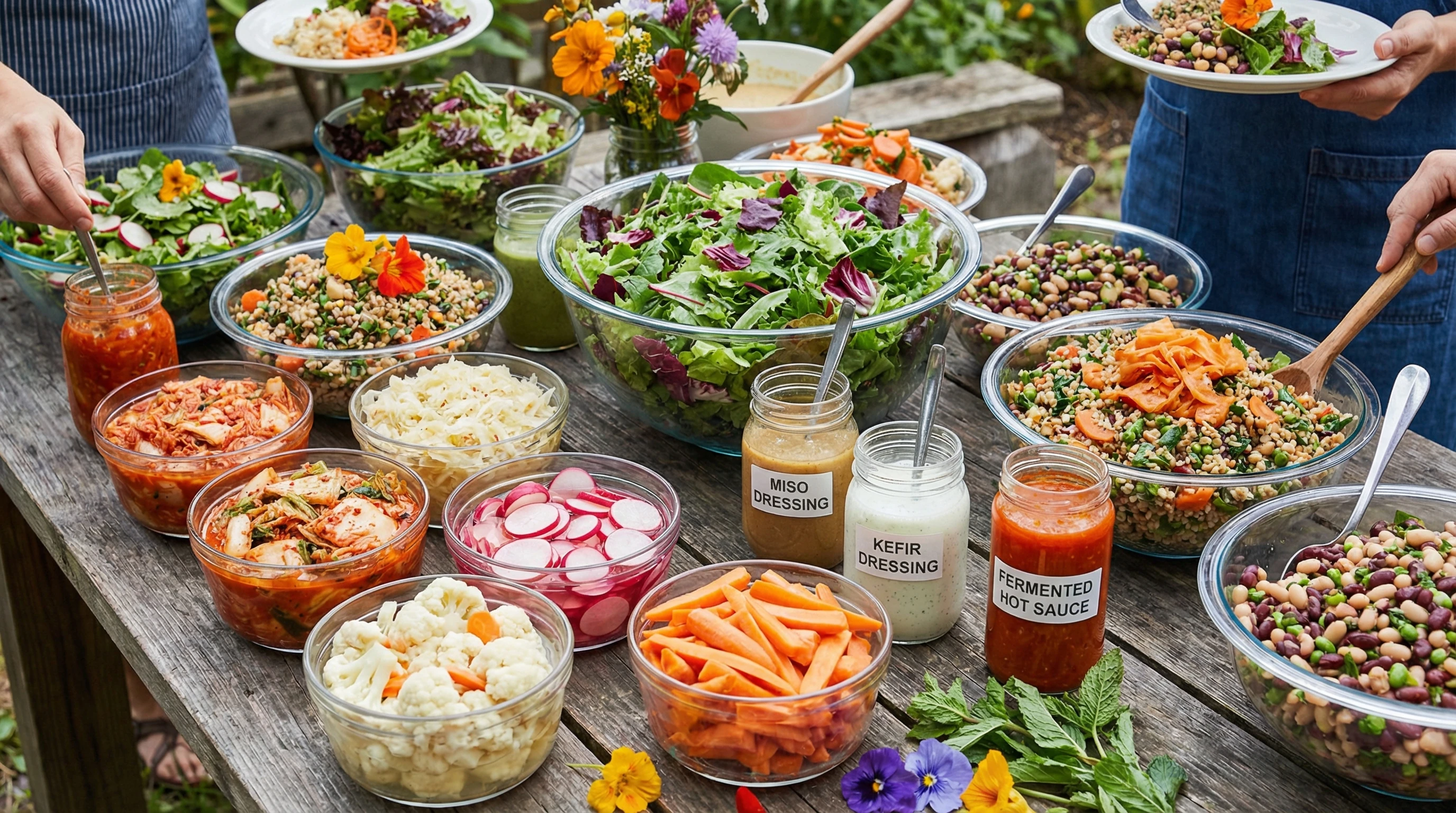
 Fermented foods bring a tasty punch and extra health perks to salads and dressings, making them a creative choice for anyone who wants a little something special. It doesn’t matter if you’re a meal prep fan or just want to get more probiotics into your day—adding these foods can be both easy and delicious.
If you love that tangy kick in your salads or want more gutfriendly options on your menu, you’re in luck. The cool part about making your own fermented food recipes is that you know exactly what goes into every batch. There are no hidden additives or weird ingredients, which makes your meals fresher and healthier.
Here’s a roundup of the most interesting ways you can use fermented foods in salads and dressings. These combos are worth trying for anyone looking for better flavor and an easy health boost.
Let’s get into these creative flavor combinations and see how fermented foods can change your everyday meals.
Why Fermented Foods Are Super Useful for Salads
Fermentation is an ageold process where good bacteria break down sugars in food. This creates that signature tang and boosts both flavor and nutrition. Adding fermented foods to salads isn’t just about taste; it’s also about packing more probiotics and nutrients into every serving. Fermented foods have begun to get a lot of well-deserved attention for their health benefits, especially for supporting gut health.
- Gut Health: Fermented foods are known for having live cultures (aka probiotics), which help support a healthy digestive system. These probiotics are something your gut craves, especially if you’re looking for meals that do more for your body.
- Flavor Pop: The soursalty bite from fermentation can turn a basic salad into something memorable. These powerful flavors make simple ingredients like vegetables and grains more exciting.
- Nutrient Boost: During fermentation, vitamins and minerals become easier for your body to use, so you’re getting more from every bite. Fermentation can also help cut the natural sugars in some foods, which is a bonus for people watching their sugar intake.
- Longer Shelf Life: When you ferment vegetables and even some fruits, they last longer in your fridge, so you always have something interesting to add to your meals. Homemade ferments can easily be stored and used over several weeks.
Making ferments at home gives you total control. You pick your ingredients, track the process, and avoid the sugars or preservatives you might find in store-bought probiotic foods. This hands-on approach is satisfying and can be a fun kitchen project for beginners and pros alike.
10 Fermented Food Salad and Dressing Recipes
1. Kimchi Cucumber Salad
For classic Korean flavors, mix sliced cucumbers with chopped kimchi, sesame oil, and a sprinkle of green onion and toasted sesame seeds. The kimchi brings a bold, spicysour note that pairs well with crisp, juicy cucumbers. Toss it with cooked noodles for a quick meal, or serve as a side dish for grilled meats or rice bowls. You can even add some toasted nuts for crunch.
2. Sauerkraut Apple Slaw
Combine thinly shredded green cabbage, crunchy apples, homemade sauerkraut, a splash of apple cider vinegar, and some olive oil. The sauerkraut gives the salad tang and probiotics. The apple adds sweetness, and everything stays super crunchy. Makes a great topping for sandwiches or pulled pork tacos, and it’s also nice on its own as a light, refreshing lunch.
3. Miso Ginger Dressing
Whisk together white miso (a fermented soybean paste), grated ginger, rice vinegar, fresh lemon juice, olive oil, and a dash of honey. This dressing coats leafy greens and grain salads with umami depth and zing, and it’s easy to customize by adjusting the ginger or miso to your taste. Try it on roasted vegetables or just-drained noodles, too.
4. YogurtHerb Fermented Ranch
Use homemade yogurt as a creamy base. Stir in chopped dill, parsley, garlic, lemon juice, and a pinch of salt and black pepper. The yogurt’s tang pairs perfectly with fresh greens and roasted veggies. It’s thick enough to double as a dip for vegetables or homemade chips, making this a multitasking favorite at gatherings.
5. Lactofermented Carrot & Beet Salad
Toss together lactofermented shredded carrots and beets (made with just salt and time), then finish with a handful of fresh parsley and citrus zest. The bright color and tangy flavor feel extra fresh, and this combo works great as a side for grilled fish or meat. Top it off with a sprinkle of pumpkin seeds for more texture and nutrition.
6. Pickled Red Onion Quinoa Salad
Add quickpickled red onions (a fast ferment you can make in a few hours) to cooked quinoa, arugula, cherry tomatoes, and feta. The onions cut through the grain’s earthiness and give even a small serving a lot of energy and crunch. Mix in some chickpeas or grilled chicken for a fuller meal.
7. Ricotta & Fermented Garlic Toasted Salad
Spread homemade ricotta on toasted bread and top with thinly sliced lacto fermented garlic. Tear it into bite size pieces and toss with spinach, roasted red peppers, and a lemon olive oil dressing. The fermented garlic gives an almost sweet, mellow tang that’s much easier to eat raw than regular garlic. Add some toasted pine nuts for a bit of crunch.
8. Kefir Caesar Dressing
Blend kefir (a tangy fermented milk drink), grated Parmesan, anchovy paste, lemon juice, garlic, olive oil, and black pepper for a lighter take on Caesar dressing. Kefir gives that extra probiotic push while keeping the sauce creamy and pourable. Serve with crunchy romaine, or drizzle over roasted vegetables or grains.
9. Fermented Salsa Verde Bean Salad
Mix white beans with homemade fermented salsa verde (made from tomatillos, cilantro, jalapeño, and salt), diced cucumber, and avocado. This combo is cool for taco night or as a picnic side, and the fermenting process tones down the jalapeño heat in a nice, mellow way. Add corn kernels or chopped herbs to change up the flavors.
10. Curry Kraut Chickpea Bowl
Turn curry spiced sauerkraut into a fast salad with chickpeas, cucumber, red pepper, and fresh lime juice. Curry kraut is easy to make by adding curry powder to your ferment jar with cabbage, and it works with both salads and wraps for a zippy crunch. Sprinkle on sunflower seeds for a finishing touch.
How to Make Safe and Tasty Fermented Foods at Home
I find that DIY fermentation can be pretty simple once you get the hang of it. The basics are salt, veggies, and patience. There’s no need for fancy gear. Just a clean glass jar and sometimes a weight to keep things under the brine. A few popular options are sauerkraut, kimchi, fermented carrots, and pickled onions. People are often surprised by how easy and satisfying it is to make these foods from scratch.
- Use fresh, quality produce for the best taste and texture. Fresher veggies yield better results and brighter flavors.
- Stick to the salt amounts in the recipe. Too much or too little affects taste and safety. Salt is key for keeping bad bacteria away and letting the good ones do their job.
- Keep everything under the brine to avoid mold and mixing with air. Submerging your veggies is one of the most important steps for safe fermenting.
- Keto, paleo, vegan, and glutenfree eaters all have plenty of options to make these recipes work for their diet. The flexible nature of fermentation means you can try all sorts of ingredient swaps to fit your lifestyle.
Making your own ferments lets you skip the added sugars and preservatives, plus you can adjust flavors and spice levels however you want. With homemade ferments, you end up with a super fresh ingredient that makes every salad and dressing that much better—and it opens the door to tons of creativity in your kitchen. Once you get comfortable, feel free to experiment with spices, herbs, and different veggie combos for even more possibilities.
Tips for Mixing Fermented Foods into Your Meals
Everyday salad routines can get a little boring, but adding some funky, crunchy ferments does the trick. I usually toss chopped kimchi or kraut right on top just before serving, or I’ll stir a spoonful into the dressing for an instant boost. Even a small portion of fermented veggies can totally change up the flavors in your meal.
- Start with a small amount if you’re new to ferments. The flavors are strong and can be pretty bold at first.
- Try swapping out vinegar in dressings for brine from kimchi, kraut, or pickles for an easy swap. This gives your dressing a naturally tangy flavor and even more probiotics.
- Pair tangy ferments with rich ingredients like cheese or avocado for a good flavor balance. The creamy textures help mellow the strong flavors of ferments.
- Mix and match different textures. Think creamy homemade yogurt dressings on crispy greens or crunchy lactofermented carrots in a soft grain bowl. Playing with different consistencies can make each bite interesting.
- Don’t be afraid to try new combos. Fermented foods are versatile and work with a wide range of both traditional and unexpected flavor pairings.
Keeping jars of different ferments in your fridge means you always have something delicious and healthy to toss into whatever you’re making—whether it’s a salad, sandwich, or even a smoothie. The options really are endless, and your meals will never be boring again.
Takeaway: Homemade Fermented Food Salads & Dressings
Working more fermented foods into salads and dressings is a pretty tasty way to get extra nutrients and probiotics. It also keeps lunches and dinners interesting, especially when you play around with your own homemade recipes. When you make your own ferments, you get to decide exactly what goes in, tweak the flavors, and avoid storebought additives. With all these cool options, even picky eaters can get excited about salads again. Wrapping up, the world of fermented foods offers endless variety, strong flavors, and lots of potential for healthier meals. Give some of these recipes a try and enjoy the gut friendly benefits—your taste buds (and your digestive system) will thank you!